

♥ Wishlist
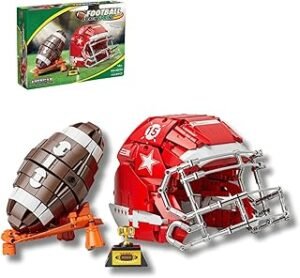
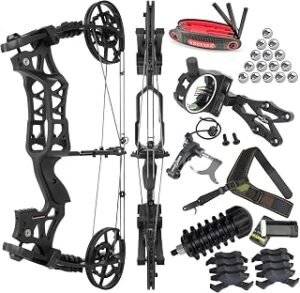
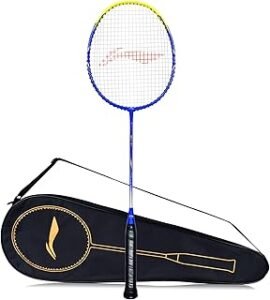

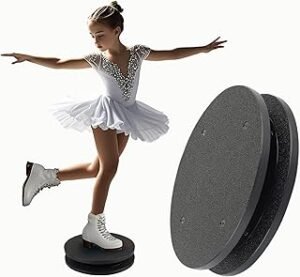

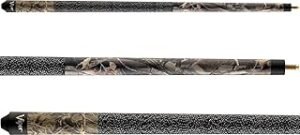
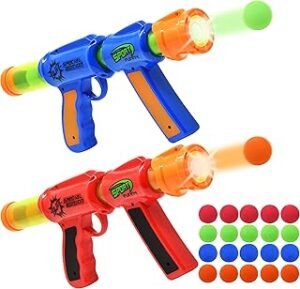
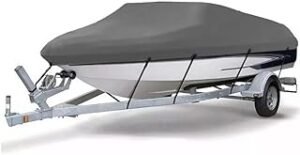
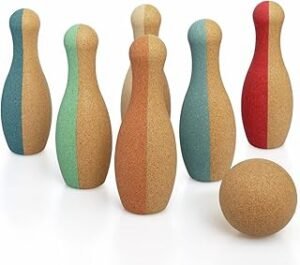
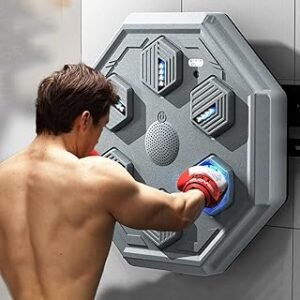
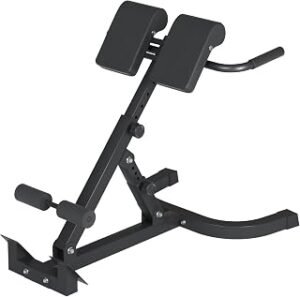

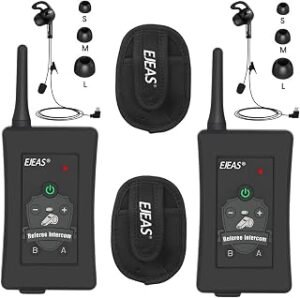

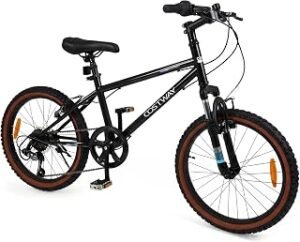
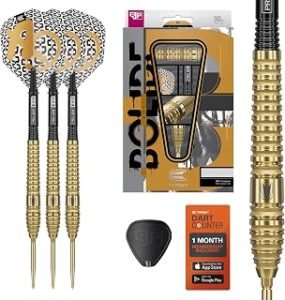
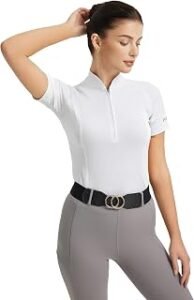

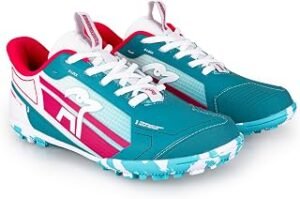
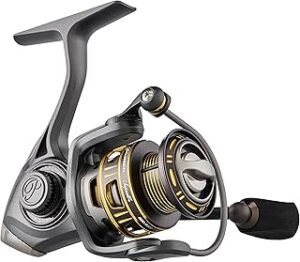
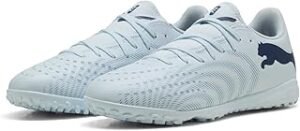

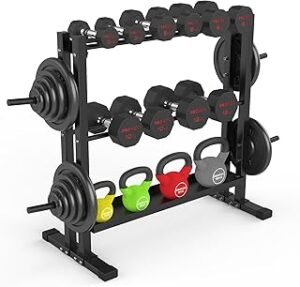
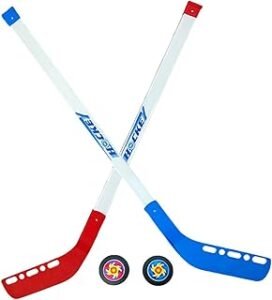
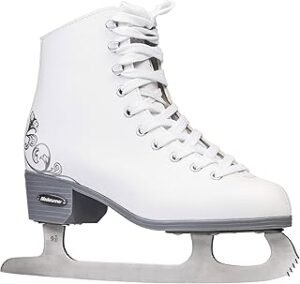
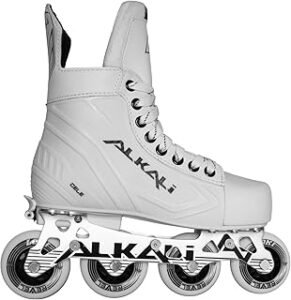
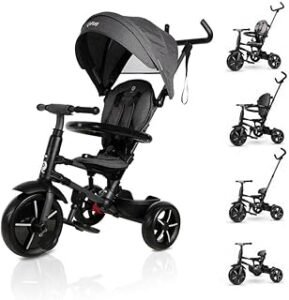
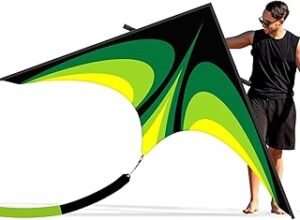
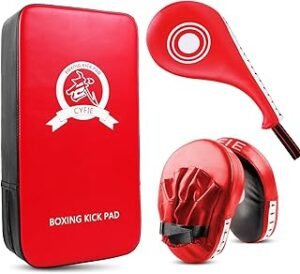
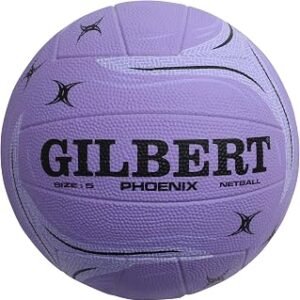
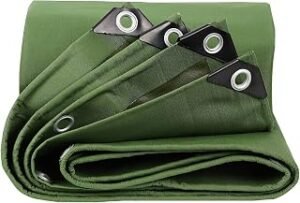
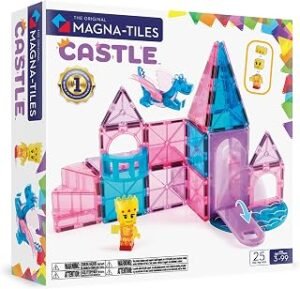
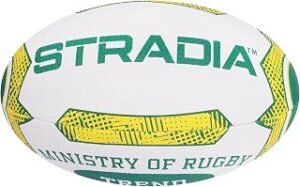
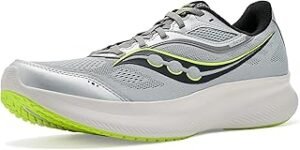
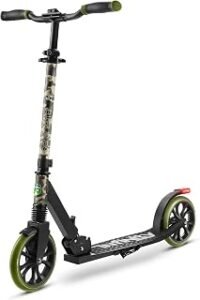
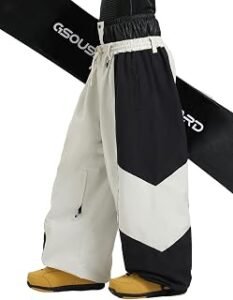

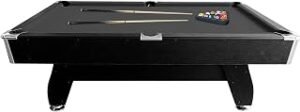
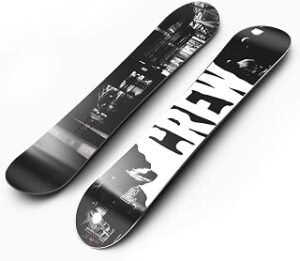
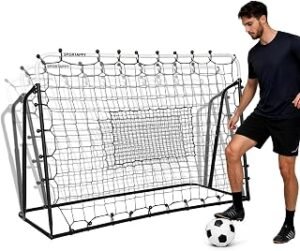
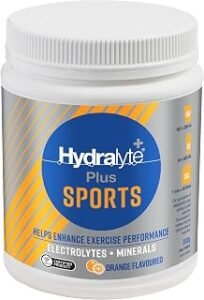
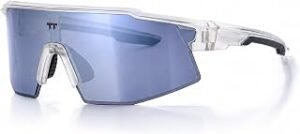
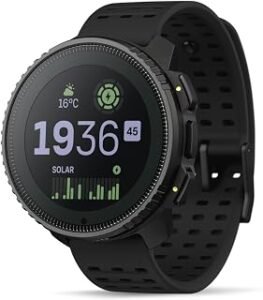
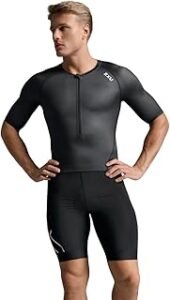
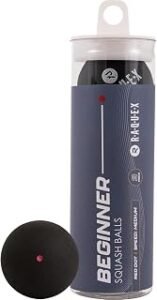

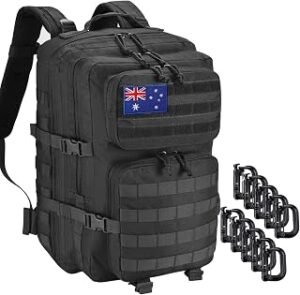


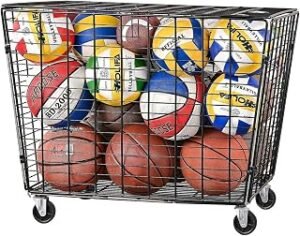


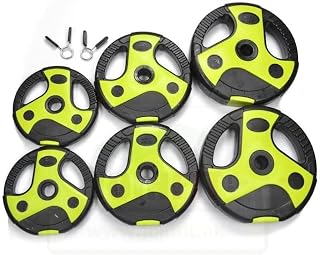





Sports and active recreation are part of everyday life for many Australians. From structured training sessions and weekend activities to casual exercise and outdoor recreation, suitable equipment can help make an activity more convenient and enjoyable. The Sports category is designed to cover a broad range of sporting and active-lifestyle needs, giving shoppers a useful starting point when looking for equipment and accessories.
When shopping for sports products, begin by identifying the activity you want to support. Different sports require different equipment, dimensions, materials and levels of protection. A product that works well for one activity may not be suitable for another. Checking the intended use and product specifications before purchasing can help you select an option that fits your routine.
Training equipment can support home workouts, personal fitness routines and structured exercise sessions. Consider how frequently you train, where you exercise and what type of movement or activity you perform. Products that are easy to store can suit smaller homes, while portable options can be useful when equipment needs to be moved between rooms, facilities or outdoor locations.
For regular training, durability and ease of use are important considerations. Look at construction materials, dimensions, weight limits where applicable and care requirements. If more than one person will use the equipment, also consider whether the product offers suitable adjustability or sizing options.
Accessories can complement sports equipment and make training or recreation more organised. Depending on the activity, shoppers may look for items that assist with carrying, storage, practice, comfort or preparation. Choosing accessories according to the specific sport can help avoid unnecessary purchases and ensure that each item has a practical purpose.
Before buying, check compatibility when an accessory is designed to work with another product. Dimensions, attachment methods, sizing and material specifications can all affect whether an item is appropriate. Product descriptions and specifications should be reviewed carefully, particularly when an accessory has a specific fit or intended application.
Where you use sports equipment can influence which features matter most. Indoor products may need to fit within a particular room or storage area, while outdoor equipment may require greater attention to portability, weather exposure and storage. Australian conditions can vary considerably between regions, so shoppers should consider their local environment and how equipment will be stored between uses.
For outdoor activities, think about transport as well as use. Lightweight or foldable designs can be easier to carry, while larger equipment may require dedicated storage. If a product will remain outdoors for extended periods, check the manufacturer's guidance for cleaning, protection and storage rather than assuming that every product is suitable for continuous outdoor exposure.
Start with the essentials: purpose, size, materials, construction and user requirements. A clear understanding of your activity makes it easier to compare products based on relevant features instead of choosing solely by appearance. Budget is another consideration, but the lowest purchase price is not always the only factor worth reviewing. Expected frequency of use, maintenance requirements and product suitability can also affect overall value.
Comfort and fit are especially important for products worn or used directly during physical activity. Check available sizing information and measure where necessary. For equipment, compare dimensions with your available space before ordering. This simple step can help prevent problems when a product arrives and does not fit the intended area.
Australian shoppers have diverse sporting and recreational interests, so sports equipment can serve many different purposes. Some shoppers may need products for personal training, while others may be preparing for family activities, community sport or occasional recreation. A practical approach is to identify the activity, define the essential features and then compare suitable options.
It is also useful to consider how often an item will be used. Occasional recreational use may require a different set of priorities from frequent training. For regular use, durability, convenient storage and straightforward maintenance may become more important. For occasional activities, portability and ease of setup may be higher priorities.
Good sports shopping starts with matching the product to the activity and the user. Review specifications, dimensions, materials, sizing and care instructions before making a purchase. Where safety equipment is involved, follow the manufacturer's instructions and select products appropriate for the intended activity and user.
Whether you are building a home exercise setup, preparing for recreational activities or looking for equipment to support an active routine, the Sports category provides a convenient place to explore relevant products. Compare your requirements carefully and choose equipment that fits your activity, available space and intended frequency of use.
Stay active, train with confidence and enjoy your favourite activities with sports equipment and accessories for a wide range of needs. The Sports category brings together products designed for exercise, recreation, training and everyday active lifestyles. Whether you are preparing for regular workouts, joining a local sporting activity or looking for equipment for leisure time, choosing products that suit your activity can make every session more practical and enjoyable. Australian shoppers can consider factors such as intended use, available space, portability, materials, sizing and personal comfort when comparing sports products. From equipment for individual training to accessories that support organised activities, the right choice depends on how, where and how often you plan to use it.