

♥ Wishlist


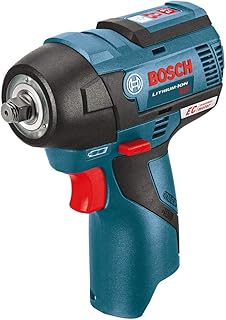


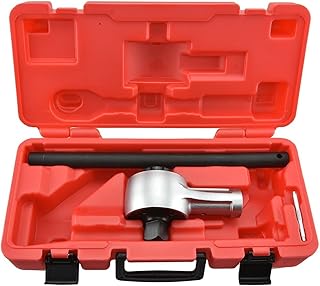
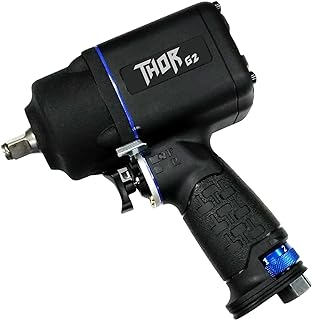


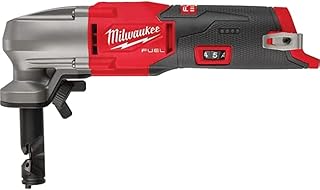
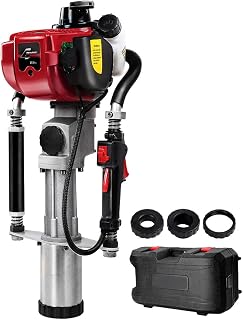


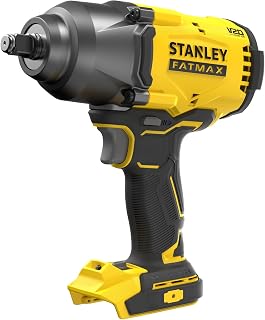


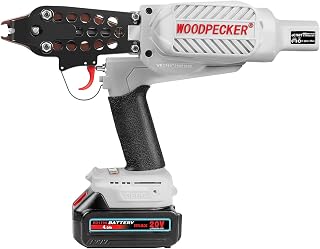
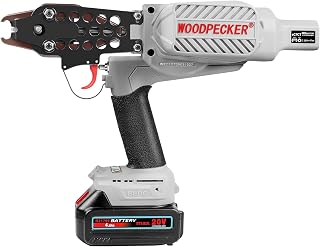


Power tools can make demanding jobs faster, more consistent and easier to manage. Whether you are assembling furniture, drilling into timber, cutting materials, sanding surfaces or completing a renovation, the right tool can help you work efficiently. The Power Tools category at A2Z Deal provides a convenient starting point for Australian shoppers looking for equipment for home, workshop and project use.
When choosing a power tool, consider the job you need to complete first. A compact drill may suit everyday fastening and drilling tasks, while a more specialised saw, grinder or sander can provide the performance required for particular materials and applications. Matching the tool to the task helps you avoid paying for features you may not need while ensuring the tool can handle your intended work.
Power tools cover a broad range of equipment. Drills and drivers are useful for drilling holes and fastening screws, making them popular for furniture assembly, maintenance and general DIY. Saws can help with cutting timber and other suitable materials, while sanders are designed to smooth and prepare surfaces for finishing.
Angle grinders are commonly used for suitable cutting, grinding and surface preparation applications. Rotary tools can provide greater control for detailed work, trimming and small projects. Other categories can include impact tools, polishers and specialised workshop equipment. Check the product specifications and intended applications before selecting a tool for a particular material or task.
Cordless power tools offer convenient portability and can be particularly useful when working away from a power outlet. Their battery-powered design reduces the need for extension leads and can make it easier to move around a job site or workshop. If you regularly use cordless tools, consider battery compatibility when building your collection, as compatible batteries and chargers can simplify your setup.
Corded electric tools can provide a practical solution for longer jobs where continuous mains power is available. They can be well suited to workshop benches, garages and other fixed working areas. Think about your workspace, expected operating time and access to power when deciding between cordless and corded equipment.
Australian homeowners and DIY enthusiasts can use power tools for a wide variety of maintenance and improvement projects. A drill and driver can assist with shelves, fixtures and furniture, while a suitable saw can support woodworking and renovation tasks. Sanders can help prepare timber surfaces, and grinders can be useful for appropriate metalworking and surface-preparation jobs.
For workshop users and tradespeople, tool selection may depend on workload, ergonomics, durability, portability and compatibility with existing equipment. Frequent users may also benefit from considering battery systems, replacement accessories, dust management and storage requirements before purchasing.
Decide whether cordless portability or continuous corded operation is more suitable for your work. Battery-powered models can be convenient for mobile tasks, while corded models can suit locations with reliable mains access.
Look at specifications relevant to your application, such as voltage, speed, torque, cutting capacity or other manufacturer-stated performance information. Higher specifications are not automatically necessary for every project, so focus on what your intended work requires.
A comfortable grip, manageable weight and suitable balance can make a difference during extended use. Compact tools may be easier to control in tight spaces, while larger equipment may be appropriate for heavier applications.
Check which bits, blades, discs, sanding materials or other accessories the tool uses. For cordless systems, confirm battery and charger compatibility before adding another tool to your collection.
Australian conditions and project requirements can vary considerably between homes, workshops and outdoor work areas. Before starting a job, consider the material, working environment and equipment required. Always follow the manufacturer's instructions and use appropriate personal protective equipment. Keep tools clean, inspect them before use and store them securely when the job is complete.
For electrical equipment, use products according to their supplied instructions and applicable Australian requirements. Do not use a tool for applications outside its stated purpose. If a task involves significant electrical, structural or other specialised work, consider engaging a suitably qualified professional.
A useful tool collection does not need to include every type of equipment. Start with tools that match the projects you regularly undertake. A drill or driver can provide a versatile foundation, followed by specialist equipment such as a saw, sander or grinder when your projects require it. Cordless users can also simplify their collection by choosing compatible tools within the same battery platform where appropriate.
Compare the specifications, intended use, power source and included accessories for each product before purchasing. With a task-focused approach, you can select power tools that provide practical support for maintenance, DIY, renovation and workshop projects.
Find power tools for DIY jobs, home repairs, renovations, woodworking, construction and workshop projects. Compare practical options for different tasks and choose tools that suit your project, workspace and experience level.