

♥ Wishlist


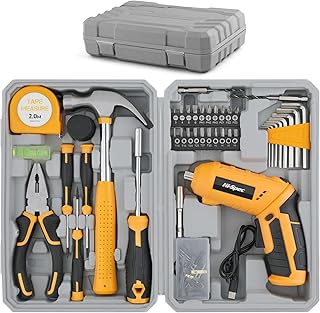


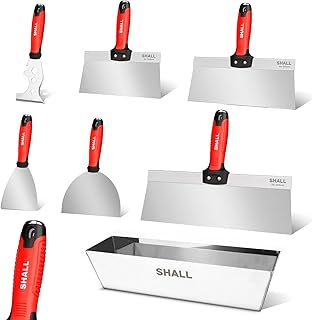


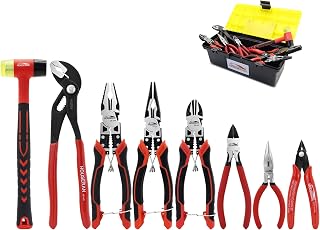


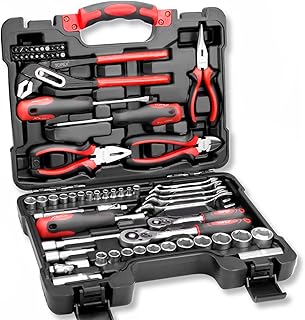


Hand tools remain essential for Australian homes, workshops, garages and job sites. Unlike powered equipment, they give you direct control over the task and can be useful when precision, portability or quiet operation matters. A well-planned hand tool collection can cover everything from basic household repairs to more demanding maintenance and workshop projects.
When choosing hand tools in Australia, start with the type of work you regularly perform. A homeowner may need dependable tools for assembling furniture, hanging fixtures, tightening hardware and making small repairs. A keen DIY enthusiast may require a broader selection for woodworking, renovation and general workshop projects. Tradespeople can also use specialised hand tools alongside their power equipment for finishing, adjustment and detail work.
Hand tools cover a broad range of products, with each type designed for a particular task. Screwdrivers are useful for driving and removing compatible screws, while spanners and wrenches help with nuts, bolts and other fasteners. Pliers can assist with gripping, holding, bending and cutting depending on their design.
Hammers are commonly used for fastening, fitting and general workshop tasks. Cutting tools can help with suitable materials where a controlled manual cut is preferred. Measuring and marking tools support accurate preparation before drilling, cutting, assembling or installing components. Files, chisels and other specialist tools can help with shaping, smoothing and finishing work.
Because hand tools vary considerably, it is worth matching the tool to the material, fastener or job rather than choosing solely by appearance. The correct size and design can improve control and reduce the risk of damaging the workpiece.
A compact selection of dependable tools can handle many routine household jobs. Basic repairs often require tools for tightening screws, securing fittings, assembling products or making small adjustments. Keeping frequently used tools organised and accessible can save time when unexpected maintenance tasks arise.
For DIY projects, consider the full process before buying individual tools. A furniture assembly project may require screwdrivers, hex keys, pliers and a suitable hammer, while a renovation task could call for measuring, marking, cutting and fastening equipment. Building your collection around actual projects helps avoid unnecessary purchases.
Workshop users often need greater variety because different materials and applications demand different tool shapes and sizes. A useful workshop collection may include multiple screwdriver profiles, spanners, pliers, hammers, cutting tools, measuring equipment and specialised accessories.
For trade environments, tool selection should also consider frequency of use, working conditions, portability and compatibility with existing equipment. Ergonomic handles can make repeated tasks more comfortable, while clearly organised tool storage can help keep frequently used equipment ready for work.
Identify the task first. A tool designed for gripping is not a substitute for one designed for tightening, while a general-purpose cutting tool may not suit every material. Choosing according to the job helps ensure better control and practical results.
Check measurements carefully, particularly for spanners, sockets, screwdrivers and other tools that must match a particular fastener. Australian projects may involve metric measurements, so selecting compatible sizes can help prevent fitment problems.
Consider grip, weight, balance and overall handling, especially if a tool will be used frequently. A comfortable design can make repetitive tasks easier to manage and can provide better control during detailed work.
Good storage protects tools from unnecessary damage and makes them easier to find. Toolboxes, organisers, workshop storage and dedicated compartments can help separate commonly used tools and keep a collection tidy.
There is no single hand tool collection that suits every shopper. A homeowner, DIY hobbyist and professional tradesperson may have very different requirements. Instead of buying everything at once, identify the jobs you perform most often and build your selection around those needs.
For general household use, prioritise versatile tools that cover common fastening, gripping, measuring and adjustment tasks. If you regularly work on vehicles, furniture, woodworking projects or renovations, expand your collection with tools suited to those specific applications.
Australian shoppers should also consider where and how tools will be used. A portable selection can be useful for mobile repairs, while a larger workshop collection can provide greater variety. For outdoor projects, storage and protection become particularly important because tools may be exposed to dust, moisture and changing conditions.
Choosing the right hand tools can make DIY, maintenance and repair work more organised and manageable. From everyday screwdrivers and pliers to specialist workshop equipment, selecting tools according to their intended application helps you create a collection that works for your needs.
Explore the Hand Tools category to find practical options for home projects, repairs, maintenance and workshop tasks. Compare the available designs, sizes and applications, then choose tools that suit the work you plan to complete.
Find practical hand tools for home maintenance, DIY projects, repairs and workshop tasks. The right tool can make everyday jobs more controlled, efficient and comfortable, whether you are assembling furniture, tightening fasteners, cutting materials or carrying out routine maintenance.