

♥ Wishlist


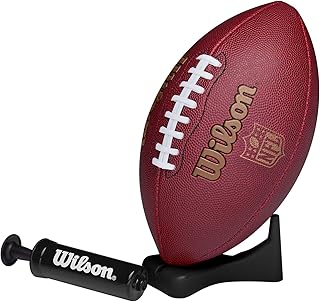

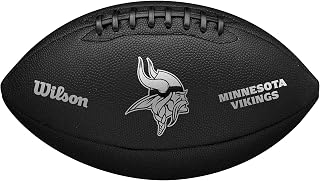


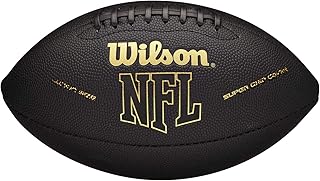

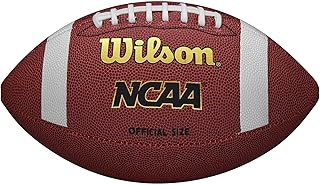




American Football combines speed, strength, agility and tactical play. Whether you are learning the fundamentals, preparing for club training or enjoying the sport recreationally, having suitable equipment can make each session more practical and enjoyable. The American Football category brings together gear designed around different aspects of the game, from throwing and catching to training, protection and team preparation.
Australian players can use this category to explore American Football essentials for a range of playing environments. Equipment requirements can vary depending on age, position, playing level and training routine, so it is useful to consider how and where an item will be used before purchasing. For competitive players, protective equipment and appropriate sizing deserve particular attention. For beginners, versatile training gear can provide a practical starting point.
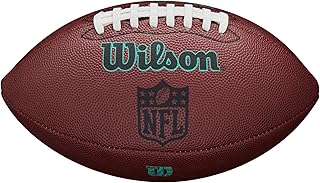
The football is central to American Football practice. A suitable ball can support throwing, catching, passing drills and handling exercises. When choosing an American Football, consider its size, construction, grip and intended use. Different players may require different ball sizes, particularly when equipment is selected for junior athletes. A reliable grip can also help players develop control during repeated drills.
Training sessions may involve individual throwing practice, partner passing, catching exercises or structured team drills. Having the right ball for the activity allows players to practise fundamental skills consistently. Coaches can also use footballs as part of warm-ups, technique sessions and organised training routines.
American Football involves physical contact, making suitable protective equipment an important consideration for players participating in organised play. Depending on the rules, position and level of competition, players may use helmets, shoulder pads, mouthguards, gloves and other protective accessories. Equipment should be selected carefully and used according to the relevant sporting requirements.
Fit is particularly important when choosing protective gear. Equipment that is too loose or too tight may affect comfort and movement. Always check the manufacturer's sizing information and follow the rules or guidance provided by your club, league or sporting organisation. Protective equipment should also be inspected regularly for signs of damage or excessive wear.
Training accessories can help players develop speed, coordination, footwork, catching ability and overall game awareness. Depending on your training programme, useful equipment may include cones, agility accessories, resistance equipment, practice targets and other training aids. These products can support structured drills for individuals, small groups and teams.
Agility-focused training can be useful for players who need to practise rapid changes of direction and controlled movement. Passing and catching drills can improve ball-handling routines, while reaction exercises can add variety to team sessions. Coaches can combine different accessories to create progressive drills suited to the experience level of their players.
Players can select equipment according to their position and style of play. A quarterback may focus heavily on throwing and ball control, while receivers and defensive players can have different training and equipment priorities. Beginners may prefer straightforward essentials that allow them to learn the basic movements before investing in more specialised gear.
Teams can also benefit from having suitable training equipment available for regular sessions. When buying multiple items, consider durability, storage requirements and the frequency of use. Keeping equipment organised can make it easier to prepare for practices, transport gear and maintain a consistent training routine.
Start by identifying the purpose of the equipment. A beginner building a basic kit may need different products from an experienced player preparing for competitive matches. Check product dimensions, sizing information, materials and intended use before ordering. For protective products, pay close attention to fit and compatibility with the relevant rules.
Australian shoppers should also consider the conditions in which equipment will be used. Outdoor training may expose products to heat, moisture, dirt and frequent handling. Proper cleaning, drying and storage can help maintain equipment between sessions. Always follow the care instructions supplied with individual products.
New players do not necessarily need every type of equipment immediately. Starting with fundamental training gear can help beginners become familiar with throwing, catching, movement and basic drills. As experience develops, players can identify which accessories and protective products are appropriate for their position and level of participation.
Parents and coaches selecting equipment for junior players should check sizing carefully and consider the player's age, physical development and playing environment. Club or competition requirements should take priority when selecting mandatory protective equipment.
Shopping for American Football equipment online makes it easier to compare product types and identify gear suited to your training needs. Before placing an order, review the available product information and make sure the selected size, specifications and intended application match your requirements.
Whether you are building a beginner's kit, replacing training equipment or preparing for regular club sessions, the American Football category provides a convenient starting point for exploring sporting essentials. Choose products based on your playing needs, training goals, fit and expected frequency of use to create a practical setup for American Football in Australia.