

♥ Wishlist


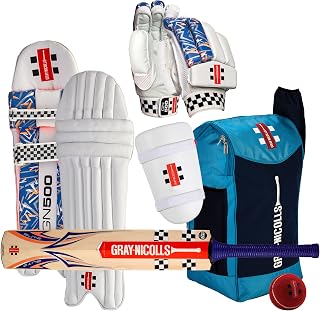


Cricket is a much-loved sport across Australia, with players taking to local grounds, school fields, indoor facilities and community clubs throughout the year. Having suitable equipment can make training more comfortable and help players prepare for different playing conditions. Our cricket category brings together essential gear for players looking to practise, compete or enjoy the game recreationally.
When choosing cricket equipment, consider your playing level, age, position and intended use. A junior player may need lightweight equipment that is easier to control, while an adult or experienced player may look for equipment designed around particular playing preferences. Australian shoppers can also consider whether their gear will be used mainly for weekend matches, regular club training, school cricket or casual backyard sessions.
A cricket bat is one of the most important pieces of equipment for a batter. Size, weight, handle design and bat construction can all influence how a player handles the bat. Younger players generally need appropriately sized bats, while adult players can select from options based on their preferred weight and feel.
Before buying a cricket bat, check the product specifications carefully. Look at the stated size, weight and materials, and consider how the bat will be used. Players who train frequently may also want to consider a suitable bat cover or cricket bag to protect equipment between sessions.
Cricket balls are available for different playing and training situations. Match-focused players should select a ball that suits the format and playing environment, while recreational users may prefer training or practice options. Coaches and families can also benefit from having additional balls available for drills.
Training equipment can support batting, bowling, catching and fielding practice. Depending on the session, useful accessories may include practice balls, wickets, stumps, cones and other training aids. Choosing equipment around the type of drills you regularly perform can make practice sessions easier to organise.
Protective equipment plays an important role in cricket, particularly for players facing faster deliveries. Depending on the player's role and level of play, equipment may include cricket helmets, batting gloves, pads, abdominal protection and other protective accessories.
Fit is especially important when selecting protective cricket gear. Check sizing information and manufacturer guidance before purchasing. Equipment should sit securely without unnecessarily restricting movement. For helmets and other protective products, follow the relevant product instructions and replace equipment when it becomes damaged or no longer provides the intended protection.
Cricket clothing and accessories can help players stay comfortable during training and matches. Depending on the competition and conditions, players may need cricket shirts, trousers, socks, caps or other sport-specific apparel. Australian players should also consider the local weather and playing environment when choosing clothing for outdoor sessions.
Accessories such as cricket bags can make it easier to carry bats, protective equipment, clothing and other essentials. A suitable bag can also help keep equipment organised when travelling between home, training grounds and matches.
Young and beginner players can start with equipment selected for their size and ability. Lightweight bats, appropriately sized protective equipment and easy-to-use training accessories can make early practice sessions more manageable. Parents and coaches should check sizing information rather than choosing equipment based solely on appearance.
As players develop, their equipment needs may change. A beginner may initially require a basic collection of essential gear, while a regular club player may eventually need specialised equipment for training and competition. Buying according to current requirements can help avoid unnecessary purchases.
Start by identifying the equipment you actually need for your style of play. Batters may prioritise bats, gloves and pads, while wicketkeepers have additional requirements. Bowlers and fielders may have different priorities, with training equipment becoming particularly useful for regular practice.
Always compare product specifications, sizing, construction and intended use before purchasing. For Australian shoppers, it is also useful to consider where and when the equipment will be used. Outdoor cricket can involve long sessions in changing weather, so practical storage and suitable clothing can be valuable additions to a player's kit.
A practical cricket kit should cover the equipment needed for the player's role while remaining convenient to transport and store. Essential items can include a bat, balls, appropriate protective gear and a cricket bag. Training accessories can then be added according to the player's practice routine.
Whether you are buying your first cricket set, replacing worn equipment or preparing for another season, compare the available specifications and choose products that match your needs. With the right combination of cricket equipment, players can be better prepared for training sessions, club matches and recreational games.