

♥ Wishlist


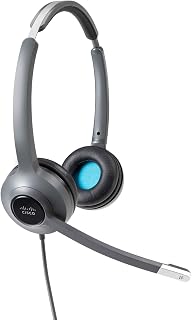
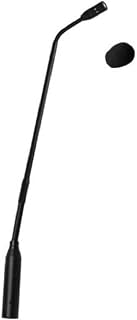


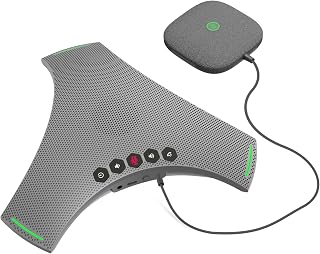


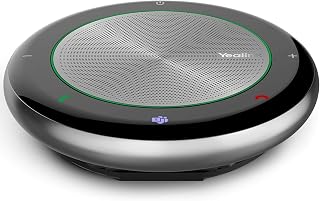


Audio conferencing systems help businesses and organisations communicate clearly when participants are joining a meeting from different locations. Instead of relying only on a laptop microphone and speakers, a dedicated conferencing setup can provide more suitable audio capture and playback for meetings, presentations, team discussions and online collaboration. Australian shoppers can explore audio conferencing equipment according to their room size, meeting style, connectivity needs and existing technology.
The right system depends on how you plan to use it. A compact conference speakerphone may suit a small office or private meeting space, while larger rooms may benefit from equipment designed to capture voices across a wider area. Some setups combine microphones and speakers in one unit for straightforward installation. Others can form part of a more comprehensive meeting-room audio arrangement.
Room size is an important consideration when comparing audio conferencing systems. Small meeting rooms generally need a solution that can capture participants sitting close to the main device. Medium and larger rooms may require wider microphone coverage or multiple audio components. Consider where participants will sit, how far they will be from the microphones and whether everyone needs to speak during the meeting.
Compact conferencing devices can be practical for home offices, small teams and informal meetings. An integrated speakerphone can reduce the number of separate components required on a desk or meeting table. These systems can also be easier to move between rooms when flexibility is important.
Larger meeting spaces can require broader audio coverage. When comparing equipment, consider microphone pickup, speaker output, connection options and compatibility with the devices already used by your team. A suitable setup can help participants hear discussions without constantly adjusting their position around the table.
Audio quality should be a central consideration when choosing conferencing equipment. Look for features that support clear voice capture and intelligible playback. Microphone pickup range can be particularly important when several people need to contribute to the same conversation.
Connectivity is another important factor. Depending on the system, users may connect conferencing equipment to computers or other compatible devices through wired or wireless connections. Before purchasing, check the connection types required for your intended setup and confirm compatibility with the equipment used by your organisation.
Ease of installation can also affect the overall experience. A straightforward plug-and-play solution may be useful for teams that regularly change meeting rooms or want to minimise setup time. More advanced installations can provide additional coverage and flexibility but may require greater planning.
Hybrid working has made reliable meeting-room communication increasingly important. Participants may join from an office, home or another location, so clear audio helps create a more consistent meeting experience. A dedicated conferencing system can complement computers, displays and other workplace technology by focusing on the audio side of communication.
When setting up a hybrid meeting space, consider microphone placement and speaker positioning as well as the size and layout of the room. Tables, walls and other surfaces can influence how sound travels. Keeping microphones appropriately positioned can help participants communicate naturally without repeatedly moving closer to the device.
Start by identifying the number of people who usually attend meetings in the room. Next, consider the room dimensions, seating arrangement and typical distance between participants and the conferencing device. Then review connectivity and compatibility requirements. These factors can help narrow the selection before comparing additional features.
For businesses, it can also be useful to consider portability, controls and ongoing usability. A system that is easy for different employees to operate may be more practical in shared meeting rooms. If equipment will remain installed in one location, prioritise the coverage and connection options that match that specific environment.
Choosing the right audio conferencing system is about matching the equipment to the way your organisation communicates. Think about meeting frequency, room size, participant numbers and the devices already in use. By comparing these practical requirements before buying, Australian shoppers can select conferencing equipment that fits their workspace and communication needs.
Explore the Audio Conferencing Systems category to compare suitable solutions for meetings, remote collaboration, presentations and professional workplace communication. Whether you need a compact setup for a small team or equipment for a larger meeting space, focus on audio coverage, connectivity and everyday usability when making your selection.
Find audio conferencing systems designed to support clearer meetings, remote collaboration and professional communication. Whether you are equipping a home office, meeting room, boardroom or shared workplace, the right conferencing equipment can make conversations easier to hear and manage. Explore audio conferencing solutions suited to different room sizes, meeting formats and connectivity requirements.