

♥ Wishlist
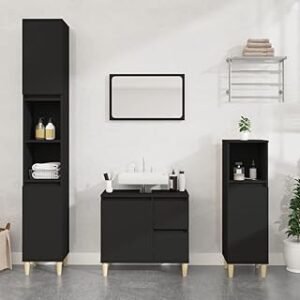
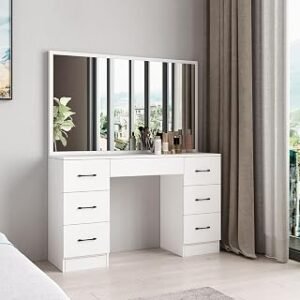


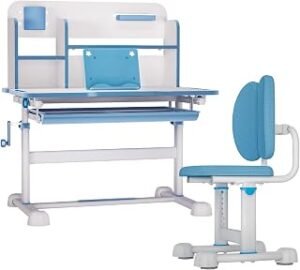
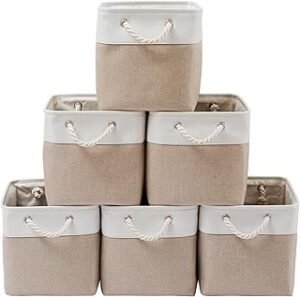
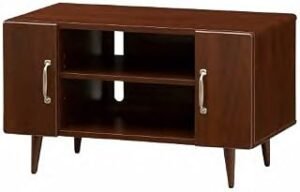

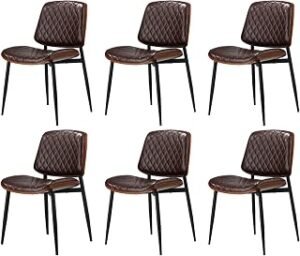
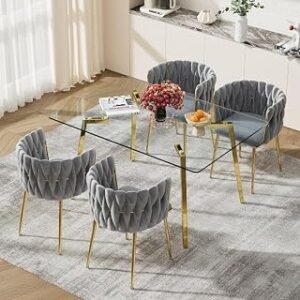


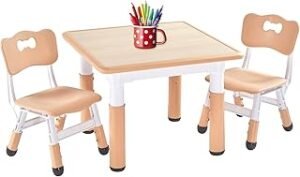
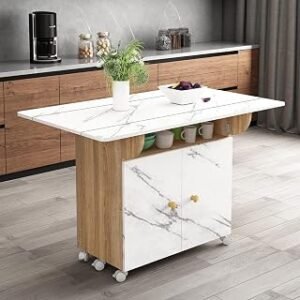
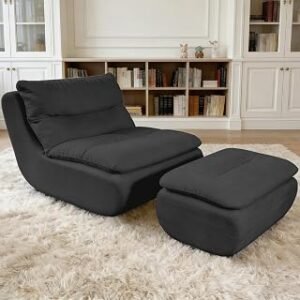
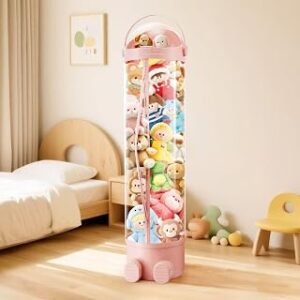
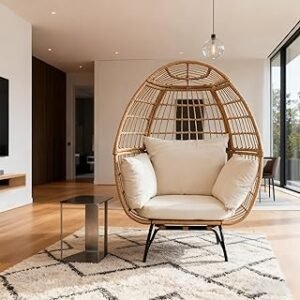


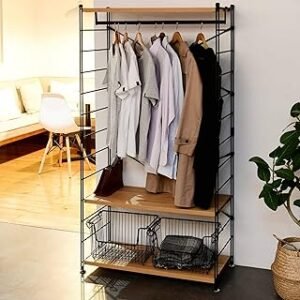


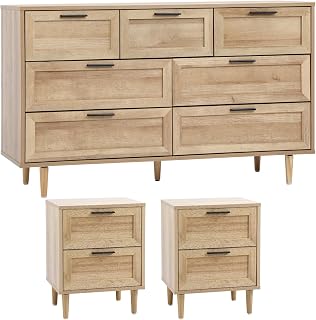


Furniture plays an important role in how a home looks, feels and works. Whether you are furnishing a new property, refreshing one room or replacing an older piece, choosing furniture that suits your available space and daily routine can make a noticeable difference. This furniture collection is designed around the broad needs of Australian shoppers looking for practical options for different areas of the home.
Start by considering the room you want to furnish and the purpose of each piece. A lounge area may need comfortable seating and useful storage, while a bedroom benefits from a suitable bed, bedside furniture, wardrobes or other organisation solutions. Dining areas require practical surfaces and seating, and home offices need furniture that supports an organised working environment.
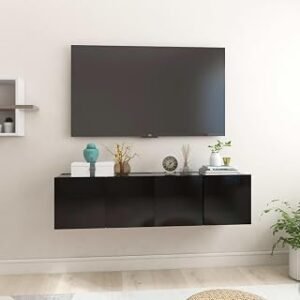
The living room is often one of the most frequently used areas in a home, so furniture needs to balance comfort, function and available space. Sofas, chairs, coffee tables, TV units, shelving and storage furniture can help create a room that works for relaxing, entertaining and everyday activities.
Before choosing a living room piece, measure the room and consider walkways, doors and existing furniture. Compact furniture can work well in apartments and smaller rooms, while larger spaces may accommodate broader seating arrangements or additional storage. Neutral and versatile designs can also make it easier to update your décor over time.
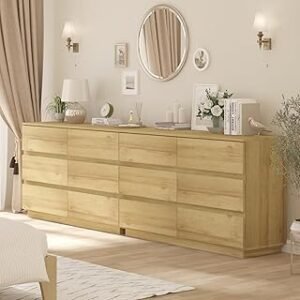
Bedroom furniture should support restful routines while helping you keep personal belongings organised. Beds are naturally the centrepiece, but bedside tables, wardrobes, drawers, dressing tables and other storage furniture can contribute to a more functional bedroom.
Check dimensions carefully before purchasing bedroom furniture. Allow enough space around beds and storage units for comfortable movement. Australian homes vary considerably in size and layout, so measuring your room rather than relying on appearance alone is an important part of selecting suitable furniture.
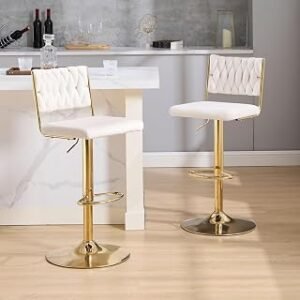
A dining area needs furniture that fits the available floor space and accommodates the people who regularly use it. Dining tables are available in different shapes and sizes, while matching or complementary chairs can help create a coordinated setting.
Think about how the dining area is used before choosing a table. A compact design may suit an apartment or smaller kitchen, while an extendable or larger table can provide additional flexibility when hosting family and guests. Leave sufficient clearance around the table so chairs can be pulled out comfortably.
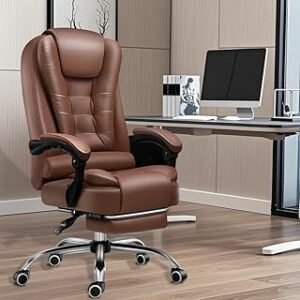
As working and studying from home become part of everyday routines, dedicated furniture can help create a more organised workspace. Desks, office chairs, shelving and storage units can provide practical solutions for computers, documents, stationery and other essentials.
When selecting a desk, consider its width, depth and storage requirements. The available space should also allow comfortable access to the chair and enough room for cables and equipment. A well-planned workspace can help keep frequently used items accessible without overcrowding the room.
Storage furniture can make it easier to manage belongings while reducing visual clutter. Shelving units, cabinets, drawers, wardrobes and other storage options can be used in bedrooms, living rooms, hallways, offices and other areas.
Choose storage according to what you need to organise. Open shelving can keep frequently used items visible and accessible, while enclosed cabinets can provide a tidier appearance. Measure the intended location and check the furniture dimensions, especially when placing units near doors, windows or other fixed features.
Choosing furniture involves more than comparing appearance. Consider dimensions, materials, intended use, available space and how the piece will fit with furniture you already own. A clear understanding of your room layout can help prevent unsuitable purchases.
For Australian homes, also consider the characteristics of the space. Indoor furniture may need to complement an open-plan layout, compact apartment or family living area. If furniture will be used outdoors or in a semi-outdoor setting, make sure the product is specifically designed for that environment rather than assuming an indoor item is suitable.
Measure before you shop and record the width, depth and height available for the new item. Check product dimensions against doorways, stairways and other access points as well as the final location. This can be particularly important for larger furniture.
It is also useful to consider how a piece will work with your existing décor. Look at colours, finishes, shapes and proportions as a complete room rather than selecting every item independently. Choosing versatile furniture can make future room updates easier.
For online shopping, review the product information carefully before making a purchase. Check dimensions, materials, features and any available care information. Keep the intended purpose and available space in mind so the furniture you select matches your practical requirements as well as your preferred style.
Good furniture should contribute to how you use your home every day. A comfortable sofa can make a living room more inviting, suitable storage can improve organisation, and a properly sized desk can make a home office easier to manage. By combining practical requirements with your personal style, you can create rooms that feel comfortable and work efficiently.
Explore furniture for different areas of the home and consider each product in the context of your available space, existing décor and everyday needs. With careful measurements and thoughtful selection, furniture can provide a useful foundation for comfortable Australian homes.
Find furniture for creating comfortable, practical and inviting spaces throughout your Australian home. From living room seating and bedroom furniture to dining tables, storage solutions and home office essentials, the right pieces can improve both everyday comfort and the way your rooms function.