

♥ Wishlist


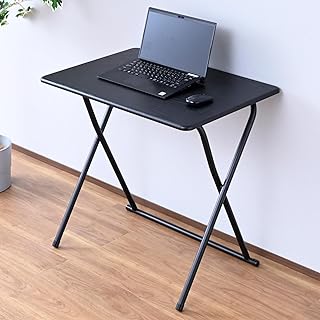


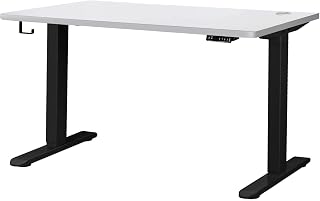


A desk is more than a surface for a computer or paperwork. It can become the central point of a home office, study area, creative workspace or shared room. When choosing desks in Australia, consider how much room you have available, what you intend to use the desk for and how much storage you need. A well-matched desk should provide enough working space without making the surrounding area feel crowded.
Measure the available floor area before shopping. Check the desk width, depth and height against the space where you plan to place it. Also consider doors, windows, power outlets and nearby furniture. For smaller Australian homes, apartments and bedrooms, a compact desk can provide useful workspace while taking up less floor area. Larger rooms may accommodate wider desks that provide space for multiple monitors, documents, stationery or other equipment.
A dedicated home office desk can help create a consistent area for work and administration. Look for a surface that accommodates your computer, monitor, keyboard and frequently used accessories. If you regularly handle paperwork, a wider desktop may provide greater flexibility. Storage drawers, shelves or compartments can also help keep everyday items within easy reach.
Think about cable management as well. Computers, monitors, chargers and other devices can quickly create clutter around a workstation. Positioning your desk near suitable power access and choosing a layout that leaves cables manageable can make the workspace easier to maintain. A clean desktop can also leave more room for writing, planning and other tasks.
A study desk should provide a comfortable area for reading, writing, online learning and computer-based schoolwork. For bedrooms or smaller study areas, compact designs can make efficient use of available floor space. A desk with built-in shelving can provide a convenient place for books, stationery and study materials.
When selecting a desk for a child or teenager, consider the desk dimensions alongside the available chair and room layout. A suitable height and usable desktop can support an organised study routine. Keep frequently used books and equipment within easy reach while leaving sufficient space for the student to work without unnecessary clutter.
Desks come in a variety of configurations to suit different uses. A straightforward writing desk can work well when you primarily need a clean surface for notebooks, paperwork or a laptop. Computer desks may offer additional room for screens and accessories. Corner desks can make use of otherwise underutilised areas, while larger workstation designs can provide generous space for demanding setups.
Storage is another important consideration. Drawers can keep smaller supplies organised, while open shelves provide quick access to books and accessories. If you already have separate storage furniture, a simple desk with a clear desktop may be all you need. If you want a more self-contained workstation, choose a design with storage integrated into the desk.
Start with the desk's dimensions and compare them with your available space. Next, consider the intended workload. A laptop user may need less desktop area than someone working with multiple monitors, paperwork or creative equipment. Think about the items that need to remain on the desk every day and allow additional room for comfortable use.
Materials, construction and overall design can also influence your choice. Consider how the desk will fit with your existing furniture and whether its finish suits the room. For a busy household, easy-to-maintain surfaces can be particularly useful. If the desk will be moved regularly, its overall size and construction may also matter.
Once you have selected a desk, organise it around the way you work. Keep essential items close while moving rarely used equipment into drawers or nearby storage. A monitor stand, desk organiser or cable-management accessory can help free up useful surface area. Leave enough open space for writing and other tasks rather than filling every part of the desktop.
For Australian shoppers, the best desk choice depends on the room, available space and intended use rather than a single universal design. Compare dimensions, configuration, storage and practical features before making a purchase. With the right combination of size and functionality, a desk can provide a useful foundation for work, study and everyday activities.
Find a practical desk for working, studying, organising or creating a dedicated space at home. The right desk can make everyday tasks more comfortable while helping you keep your workspace organised. Whether you need a compact desk for an apartment, a spacious workstation for a home office or a study desk for a student, the desks category offers options for different rooms, routines and space requirements.