

♥ Wishlist


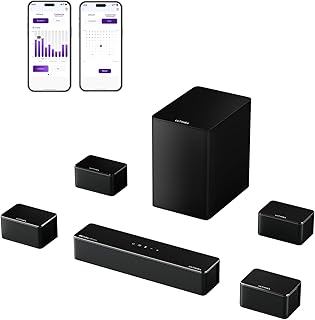


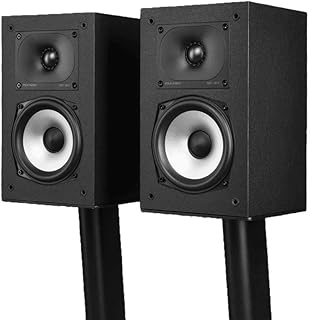


A well-planned Hi Fi Home Audio setup can make music, films, television and other entertainment more engaging. Instead of relying on a single compact speaker, a hi-fi system can combine dedicated audio components to create a more detailed and balanced listening experience. Australian shoppers can choose equipment for a compact apartment, family living room, dedicated media space or larger entertainment area.
The right setup depends on more than product specifications. Room size, listening distance, preferred music, available connections and the type of entertainment you enjoy all influence the equipment you need. Start by considering how you will use the system, then select compatible components that work together.
Speakers are central to most home audio systems because they turn the electrical audio signal into sound. Different speaker designs suit different rooms and listening preferences. Bookshelf-style speakers can work well where space is limited, while larger floorstanding speakers may suit spacious living areas and dedicated listening rooms.
When comparing speakers, consider cabinet size, driver configuration, power handling and placement requirements. Speaker sensitivity and impedance can also matter when matching speakers with an amplifier or receiver. Check the manufacturer's specifications to confirm compatibility before purchasing.
Room dimensions and furniture placement can affect how sound behaves. Avoid choosing equipment based only on physical size or appearance. Think about where the speakers will sit, how far apart they can be placed and where listeners will normally sit. A suitable placement can help a capable system perform at its best.
Amplifiers provide the power needed to drive passive speakers, while receivers can combine amplification with additional audio connectivity and source-management features. The best choice depends on the components you plan to connect and the features you actually need.
Before selecting an amplifier or receiver, check its supported speaker impedance, output capabilities and available inputs. Digital and analogue connections can serve different sources, so review the equipment you already own. If you plan to expand your system later, consider whether the component provides the connectivity required for future upgrades.
Australian households use home audio equipment in many different ways. Some listeners prioritise stereo music playback, while others want a system that supports television, films and multiple entertainment sources. A simple stereo arrangement can provide focused music listening without unnecessary components. A more flexible setup may offer additional inputs and connection options for several devices.
Think about your most frequently used sources before buying. Streaming devices, televisions, record players, computers and other equipment may require different connections. Matching your sources with the available inputs can prevent the need for additional adapters or replacement equipment.
Modern home audio equipment may support a mixture of wired and digital connections. Depending on the component, you may encounter options such as optical audio, coaxial connections, analogue inputs, speaker terminals or other interfaces. Always verify the exact specifications of the products you are considering because connection availability varies between models.
Compatibility also includes physical and electrical requirements. Passive speakers normally require an appropriate amplifier, while active speakers can include amplification within the speaker enclosure. Understanding this distinction makes it easier to choose components that form a complete system rather than purchasing equipment that cannot connect directly.
Australian homes range from compact urban apartments to spacious suburban properties and dedicated entertainment rooms. Your available space should influence the scale of the system. Smaller rooms can benefit from appropriately sized speakers and a simple component arrangement, while larger rooms may provide more flexibility for speaker positioning and equipment selection.
Placement is also important. Keep speakers stable and positioned according to the manufacturer's recommendations. Give suitable ventilation to amplifiers and receivers, particularly when they are installed inside cabinets or entertainment units. Good cable management can further improve the appearance and practicality of your setup.
Price is only one part of choosing home audio equipment. Compare specifications, supported connections, dimensions, power requirements and intended use. Consider whether a product meets your current needs without paying for features you are unlikely to use.
It is also useful to think about future expansion. If you expect to add another source, replace speakers or build a larger system later, choose components with suitable connectivity and compatibility. A carefully planned setup can make future upgrades simpler.
Hi Fi Home Audio gives Australian shoppers a broad range of options for creating a more capable listening environment. Whether you are replacing an older system or starting from scratch, focus on compatibility, room requirements and everyday listening habits. Compare the available equipment carefully, check technical specifications and select components that work together as a practical system.
Explore Hi Fi Home Audio for clearer music, immersive entertainment and a more enjoyable listening experience at home. Compare speakers, amplifiers, receivers and supporting audio equipment to build a setup suited to your room and listening preferences.