

♥ Wishlist


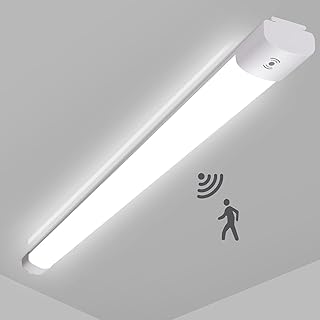


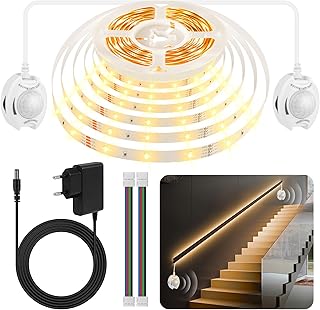

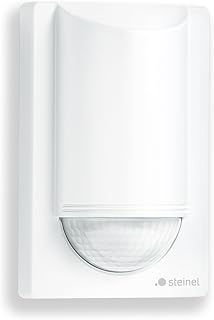


Motion sensors and alarms can provide an extra layer of awareness around a property by detecting movement within a defined area. They are commonly used in homes, offices, garages, sheds, workshops, retail spaces and other locations where unexpected activity may need attention. For Australian shoppers, the right product can depend on the size of the area, the location of the sensor, the type of movement being detected and how the alert needs to be delivered.
Motion detection products are available in several formats. Some devices are designed to detect movement and trigger an alarm, while others can form part of a wider security or monitoring system. When comparing products, consider whether you need a standalone solution or a sensor that works alongside other security equipment. This distinction can help you choose a product that fits your existing setup rather than purchasing a device that does not meet your requirements.
Location is one of the most important factors when selecting a motion sensor. Indoor areas such as hallways, rooms, offices and garages may have different requirements from outdoor areas exposed to changing weather conditions. Think about the space you want to monitor and identify likely movement paths before choosing a sensor.
For an entrance or hallway, a sensor positioned to cover the expected path of movement can help provide useful detection. Larger spaces may require consideration of detection coverage and positioning. Outdoor applications may also require a product specifically intended for exterior conditions. Always check the product specifications and installation requirements before using a sensor in a particular environment.
Motion sensors are designed to identify movement within their detection area. They can be useful for monitoring rooms, entrances, pathways and other areas where activity needs to be noticed. When comparing sensors, review the stated detection range, coverage and installation requirements.
Motion-activated alarms combine movement detection with an alert function. These products can be useful when you want a sensor to respond directly to detected activity. Consider the type and volume of the alarm, how the unit is powered and where it can be positioned.
Some motion sensors may be used as part of a broader security arrangement. If you already use security equipment, check compatibility before purchasing additional components. Matching the sensor with the rest of your setup can make installation and everyday use more straightforward.
Detection range is an important specification because it indicates how much space a sensor may cover. Power source is another consideration, particularly if the device will be installed somewhere without convenient access to a power outlet. Battery-powered products can offer flexible placement, while wired solutions may suit permanent installations where suitable wiring is available.
Also consider installation method, sensor orientation, alarm functionality and operating environment. For outdoor applications, check whether the product is designed for exterior use and review any stated environmental or weather-resistance specifications. For indoor use, think about potential sources of movement that could affect detection, including pets, curtains, fans or frequently occupied areas.
Australian properties can vary considerably, from compact urban homes and apartments to larger suburban properties, rural homes, commercial premises and detached garages. As a result, there is no single motion sensor configuration that suits every application. Start by identifying the area you want to monitor and the type of activity you want the product to detect.
For homeowners, motion sensors may be considered for entrances, garages, hallways, sheds and other areas. Businesses may use motion detection products around offices, storage areas, entrances and other restricted spaces. The most suitable choice depends on the intended application, installation environment and product specifications.
Begin by deciding whether the product is intended for indoor or outdoor use. Next, estimate the area that needs monitoring and compare the sensor's detection coverage. Check how the unit receives power and whether its installation method is suitable for your intended location. If you are integrating it with existing security equipment, verify compatibility before buying.
It is also worth considering how alerts will be handled. A simple audible alarm may suit some applications, while other setups may require integration with additional monitoring equipment. Reading the specifications carefully can help you understand what a product does and what additional equipment, if any, may be required.
Finding the right motion detection product is easier when you compare the features that matter for your particular space. Review detection coverage, intended environment, power requirements, installation options and alarm functionality before making a decision. A clear understanding of your security needs can help you select a practical solution rather than focusing only on individual features.
Explore the Motion Sensors Alarms category to compare products suitable for different monitoring requirements. Whether you are improving awareness around a home, office, garage or another property, selecting a motion sensor based on its intended application can help you build a more suitable security setup.
Improve awareness around your property with motion sensors and alarms designed to detect movement and provide an alert when activity is identified. This category brings together practical security products for Australian homes, offices, garages, workshops, entryways and other spaces where monitoring movement can be useful. Whether you are upgrading an existing security setup or looking for a simple way to monitor a particular area, choosing the right motion detection solution starts with understanding how different products work and where they are best suited.