

♥ Wishlist


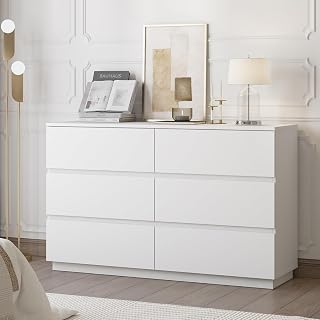


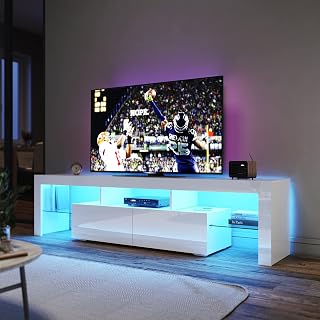


Your living room is one of the most versatile areas in the home. It can be a place to relax after work, entertain friends, enjoy movie nights or spend time with family. Choosing suitable living room furniture helps you make better use of available space while creating a look that feels comfortable and personal. Australian homes vary considerably in size and layout, so consider the room dimensions, furniture proportions and intended use before choosing each piece.
A well-planned living room often combines comfortable seating with practical surfaces and storage. Sofas and lounge chairs provide the foundation for relaxation, while coffee tables give you a convenient place for drinks, books and everyday items. TV units and entertainment furniture can organise media equipment, whereas shelving and cabinets help keep frequently used belongings accessible without making the room feel cluttered.
Comfort should be a major consideration when selecting living room seating. A compact sofa can suit an apartment or smaller lounge, while larger households may prefer spacious seating arrangements that provide room for several people. Lounge chairs can also create a dedicated reading or relaxation area without requiring a large footprint.
Measure the available floor area before purchasing. Allow enough room for people to walk comfortably around sofas, tables and other furniture. Also check doorways, hallways, lifts and stairways to make sure larger items can be delivered and positioned without difficulty. These simple checks can help prevent common sizing problems.
Coffee tables can bring a seating arrangement together while providing useful surface space. Choose a size that complements the sofa rather than overwhelming it. A rectangular table can work well with a longer sofa, while a round or compact design may suit a smaller seating arrangement. Consider the table height, available clearance and how easily people can move around it.
Side tables are another useful option for Australian living spaces. They provide a convenient spot for lamps, books, drinks or decorative accessories. If flexibility matters, lightweight or easily repositioned furniture can make it simpler to adapt the room for different occasions.
Living room storage can help maintain a tidy and organised environment. TV units, cabinets, shelving and bookcases provide places for media equipment, books, décor and household essentials. When choosing storage furniture, consider both capacity and visual proportion. A unit that is too large can dominate a smaller room, while insufficient storage may leave everyday items scattered across other surfaces.
For entertainment areas, check the dimensions of your television and equipment before selecting a TV unit. Allow suitable space for cables, ventilation and connected devices. Open shelving can make frequently used equipment easy to access, while enclosed compartments can help conceal clutter.
Living room furniture can support many interior styles. Contemporary spaces may suit clean silhouettes and simple finishes, while classic interiors can benefit from more traditional shapes and detailed accents. Neutral furniture can provide a versatile foundation, allowing you to introduce colour through cushions, rugs, artwork and accessories.
Think about how new furniture will work with the colours and materials already present in your home. Coordinating finishes can create a cohesive appearance, but mixing complementary textures and shapes can also add character. The goal is to create a room that feels balanced rather than overly matched.
Furniture should suit the demands of your household. Homes with children, pets or frequent visitors may benefit from finishes and upholstery that are practical to maintain. Consider cleaning requirements, surface durability and the manufacturer's care instructions before making a purchase.
For frequently used furniture, comfort and construction are especially important. Check available product information for dimensions, materials, weight capacity and care guidance. These details can help you compare furniture more effectively and select pieces that fit your intended use.
A successful living room layout combines comfort, movement and useful storage. Start by identifying the main purpose of the room and the largest furniture pieces. Position the sofa and primary seating first, then add tables, storage and decorative elements around them. Keep important pathways clear and avoid filling every available corner.
Australian shoppers should also consider the home's climate, room orientation and natural light when selecting finishes and fabrics. A considered combination of furniture, lighting and accessories can make the living area feel more comfortable throughout the year.
Before ordering, compare dimensions, materials, features and care requirements. Think about how each item will work with the furniture you already own and whether it can serve more than one purpose. Prioritising practical requirements first makes it easier to select pieces that also complement your preferred style.
Whether you are furnishing a complete lounge or replacing one essential item, living room furniture can transform how your home looks and functions. Explore sofas, seating, tables, storage and entertainment furniture to build a welcoming space suited to everyday Australian living.
Create a comfortable and inviting space with living room furniture designed around the way you live. From sofas and lounge seating to coffee tables, TV units, shelving and practical storage, the right pieces can make your living area more functional and welcoming. Whether you are furnishing a new home, refreshing an existing room or creating a flexible family space, explore furniture options that balance comfort, style and everyday practicality.