

♥ Wishlist






Kitchen furniture can shape the way you cook, dine, organise and spend time at home. Whether you are furnishing a compact apartment kitchen, updating a family space or creating a more flexible open-plan area, the right furniture helps you use every part of the room effectively. Explore practical options for seating, dining, preparation and storage while considering the size and layout of your kitchen.
Australian homes can vary significantly in size and design, so flexibility matters when choosing kitchen furniture. A compact table may work well in a smaller kitchen, while a larger dining table can provide space for family meals and entertaining. Kitchen stools can complement a breakfast bar or island, creating an informal place for coffee, meals or conversation without taking up the space required by a traditional dining arrangement.
A kitchen table often becomes one of the most frequently used pieces of furniture in the home. Look for a size that provides enough room for everyday meals while leaving comfortable space to move around it. Rectangular tables can suit longer rooms, while round or square designs may work well in compact layouts. Consider the number of people who regularly use the table and whether you need additional room when guests visit.
Dining furniture can also help connect a kitchen with an adjoining dining or living area. Matching or coordinated furniture can create a consistent look, while contrasting materials can add visual interest. When comparing options, consider the table height, available floor space, surface area and how easily the furniture can be cleaned after everyday use.
Comfortable seating is important when your kitchen includes a breakfast counter, peninsula or island. Kitchen stools are available in different heights and styles, so measure the distance between the floor and the counter before choosing a model. Allow sufficient personal space between seats and check that the seating position allows people to sit comfortably without interfering with nearby cupboards or walkways.
For kitchens that double as dining areas, chairs provide a familiar seating solution around a table. Choose designs that suit your available space and household needs. Easy-clean surfaces can be particularly useful in busy kitchens, while cushioned seating may provide additional comfort during longer meals or gatherings.
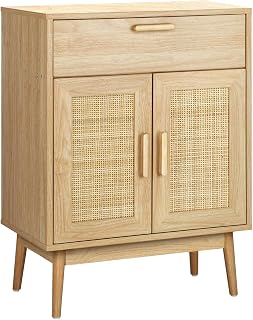
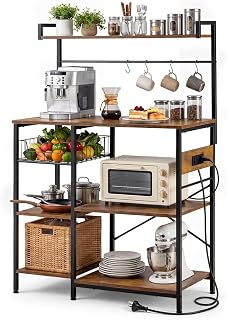
Well-planned storage furniture can help keep frequently used kitchen items accessible without making work surfaces feel crowded. Shelving units, cabinets, trolleys and storage benches can provide additional places for cookware, serving items, small appliances or pantry essentials, depending on the design.
Before selecting storage furniture, measure the intended area carefully. Check the overall width, depth and height, and consider doors, drawers and access points. Mobile storage can provide added flexibility because it can be moved when you need to reorganise the kitchen or create more preparation space.
Start by measuring your kitchen and identifying the areas that need improvement. A simple floor plan can help you understand how much space is available for tables, stools and storage. Remember to account for opening doors and drawers, appliance access and comfortable walking routes.
Material and finish are also worth considering. Kitchen furniture is exposed to food, moisture and regular handling, so practical surfaces can make everyday maintenance easier. Your preferred style may range from contemporary and minimalist to traditional or rustic. Focus on furniture that complements the existing room while meeting your functional requirements.
Kitchen furniture should support the way you actually use your home. If the kitchen is a social hub, prioritise comfortable seating and a suitable dining surface. If storage is limited, consider furniture that provides useful additional organisation. For smaller homes, multifunctional pieces can help maximise available floor space without adding unnecessary bulk.
When shopping online, review dimensions and product details carefully before making a purchase. Compare the measurements with your available space and consider how the furniture will be delivered, assembled and positioned. Choosing carefully can help create a kitchen that feels organised and welcoming while supporting everyday cooking, dining and entertaining.