

♥ Wishlist


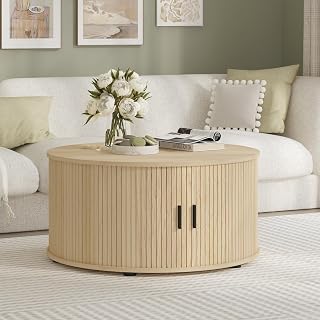


A table is one of the most useful pieces of furniture in a home. It can provide a place for family meals, morning coffee, studying, working, displaying décor or entertaining guests. Choosing the right table starts with understanding how you plan to use it and how much space you have available. A well-matched design should offer practical surface area without making the room feel crowded.
When shopping for tables in Australia, consider the room, available floor space and the number of people who will regularly use the table. A compact table can work well in an apartment, kitchen nook or smaller dining area, while a larger design may suit a family dining room or open-plan living space. Measuring the available area before buying helps you select a practical size and maintain comfortable movement around the furniture.
Dining tables create a central space for meals, conversations and entertaining. Consider the number of seats required, the room dimensions and the shape that best suits the layout. Rectangular tables can work well in longer rooms, while round and square designs can provide a more compact arrangement.
Coffee tables are designed to sit in front of sofas and lounge seating. They provide convenient space for drinks, books, remotes and decorative accessories. Look for a size that leaves enough room to walk comfortably around the seating area.
Side tables can add useful surface space beside a sofa, armchair or bed. Their smaller footprint makes them suitable for rooms where a larger table would take up too much space. They can also provide an easy place for a lamp, phone, reading material or everyday essentials.
A practical work or study table should provide enough space for the equipment and materials you use regularly. Think about monitor or laptop placement, writing space, storage requirements and cable management. A suitable height can also make longer periods of work or study more comfortable.
Outdoor tables can help create a functional entertaining or dining area on a patio, balcony or deck. When selecting outdoor furniture, consider the materials, construction and care requirements. Australian weather conditions can vary considerably, so check the product specifications and recommended maintenance before making a purchase.
Table shape can influence both appearance and practicality. Rectangular tables often provide generous seating capacity and suit many dining layouts. Round tables can encourage conversation and work well where space is limited. Square tables may suit compact dining areas, while smaller occasional tables can be positioned wherever additional surface space is needed.
Materials also affect the appearance, durability and maintenance requirements of a table. Timber can create a warm, natural look, while metal can suit contemporary interiors. Glass can give a room a lighter visual appearance, and engineered materials can offer different combinations of style and practicality. Always review the specific construction, dimensions, weight capacity and care instructions for the product you are considering.
Start by measuring the intended location, including the available floor area and the space required for chairs or movement. Next, decide what the table needs to accommodate. A dining table may need room for several place settings, while a side table may only need enough space for a lamp and a few essentials.
It is also useful to consider the overall furniture arrangement. The table should complement existing seating and décor rather than obstruct doors, walkways or drawers. For dining furniture, allow sufficient clearance for people to sit down and move their chairs. For workspaces, consider whether the table provides enough room for your computer, accessories and other equipment.
Useful features vary according to the intended purpose. Some tables have shelves, drawers or additional storage, while others focus on a simple open surface. Extendable designs can provide flexibility when extra dining space is occasionally required. Adjustable-height options can also be useful for certain work or study environments.
Pay attention to dimensions, construction materials, assembly requirements and cleaning instructions. If you are buying furniture online, check the listed measurements carefully and compare them with your available space. Also consider how the table will enter your home, particularly if access through stairways, lifts or narrow doorways could be difficult.
The best table for your home depends on how you use the space. A busy family may need a durable dining surface that accommodates regular meals and entertaining. Someone living in a compact apartment may prioritise a smaller footprint or multifunctional design. A home office may require generous working space, while a lounge room may benefit from a compact coffee or side table.
Explore the available table options with your room dimensions, preferred style and practical requirements in mind. Comparing size, shape, materials and features can make it easier to find furniture that works with your space and everyday routine.
Find a table that suits your space, lifestyle and everyday needs. From dining and coffee tables to work desks, side tables and practical outdoor options, the right table can add useful surface space while complementing your interior. Australian shoppers can compare different sizes, shapes, materials and designs to find an option that works for apartments, family homes, offices and entertaining areas.