

♥ Wishlist




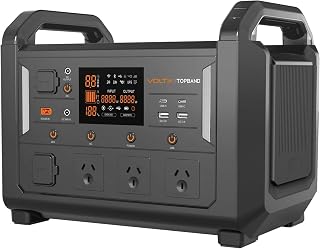


A UPS, or uninterruptible power supply, is designed to provide temporary battery power when normal electricity is interrupted. It can give connected equipment time to remain operational during a short outage or allow you to save work and shut down safely. For Australian households and businesses, a UPS can be useful for computers, routers, networking equipment, security systems, servers and other electronics that need dependable power continuity.
UPS systems come in different capacities and configurations, so selecting the right model starts with understanding the equipment you want to protect. Products in this category include compact units for individual devices, tower-style UPS systems for workstations and offices, rackmount models for server environments, and mini DC UPS products for routers, modems and security cameras.
Two important specifications to compare are volt-amperes (VA) and watts (W). The VA rating indicates the apparent power capacity of a UPS, while the watt rating indicates how much real power it can supply to connected equipment. When choosing a UPS, check the power requirements of your devices and select a unit with sufficient capacity rather than relying on the VA figure alone.
Allowing some additional capacity can also provide flexibility if you add another device later. For example, a UPS supporting a computer and monitor may require a different capacity from one supporting a router, network storage device and security equipment. Always check the manufacturer's specifications and your equipment's power requirements before purchase.
Standby UPS units are designed for straightforward battery backup and power protection. They can suit everyday home computing equipment and other less demanding applications where basic backup is the main requirement.
Line-interactive models can include automatic voltage regulation, helping manage certain voltage fluctuations without relying entirely on battery power. They are commonly suited to computers, office equipment and networking hardware.
Online UPS systems are designed for applications that require a higher level of continuous power conditioning. They can be appropriate for critical IT equipment and professional environments where power quality and continuity are particularly important.
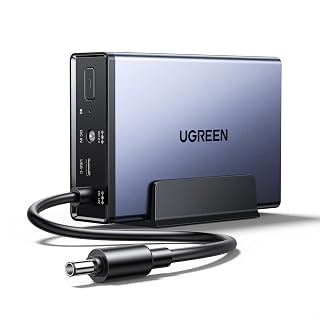
Mini UPS products are compact alternatives for devices such as Wi-Fi routers, modems and security cameras. Depending on the model, they may offer multiple DC or USB outputs and different voltage options. Compatibility with the connected device should always be checked before ordering.
Consider battery capacity, maximum watt output, VA rating, outlet configuration, battery runtime and available protection features. Automatic voltage regulation can be useful where voltage fluctuations occur, while surge protection can help protect connected electronics from certain electrical disturbances.
Some UPS systems include LCD displays or LED indicators that show operating status, load information or battery conditions. USB connectivity may also be available on selected models for device charging or communication with compatible computers. For network and server environments, rackmount designs can help integrate backup power into existing equipment racks.
A UPS can provide useful backup protection for home offices where an unexpected outage could interrupt work or disconnect networking equipment. A suitable unit can also support computers, monitors and other essential electronics long enough to save work and perform a controlled shutdown.
For businesses, UPS systems can help reduce disruption to IT equipment and connected infrastructure. Depending on the application, a higher-capacity tower or rackmount unit may be more appropriate than a compact home model. Always consider the total connected load, expected runtime and available outlets before selecting a system.
Australian shoppers should pay close attention to outlet and plug compatibility. The products listed in this category include models with Australian or ANZ outlet configurations, while some individual products may have different connection formats. Check the exact product specifications before purchase, particularly when buying equipment for computers, networking devices or other sensitive electronics.
When comparing UPS systems, focus on the actual requirements of your equipment rather than simply choosing the largest capacity available. Consider the connected load, desired runtime, UPS type, battery technology, outlet configuration, physical size and protection features. A well-matched UPS can provide practical battery backup and help maintain power continuity when interruptions occur.
Explore the UPS range at a2zdeal to compare different uninterruptible power supply options for home, office, networking and other electronic applications. Review each product's specifications and compatibility details to identify a model that fits your power requirements and Australian setup.