

♥ Wishlist


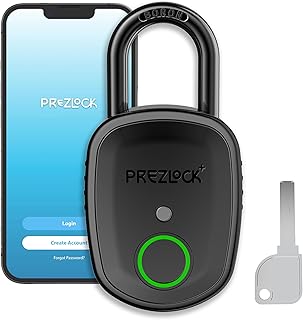
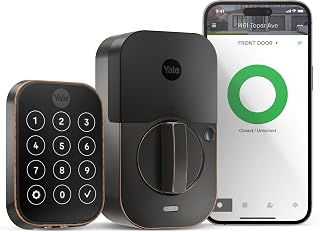


Smart locks and security systems offer a practical way to bring connected technology into your home or property. Instead of relying entirely on traditional keys and standalone security devices, smart solutions can combine convenient access control with digital management and monitoring features. For Australian shoppers, the right choice depends on the type of property, installation requirements, preferred access method and the level of connectivity you need.
Smart locks are designed to provide an alternative to conventional locking methods. Depending on the product, access may be managed through a smartphone, keypad, fingerprint recognition, electronic credentials or other compatible methods. Some models can also support temporary access for family members, guests, tradespeople or other authorised users. This can be particularly useful when you want to manage entry without handing out physical keys.
When comparing smart locks, start by considering the door where the lock will be installed. Lock designs and fitting requirements can vary, so compatibility with the existing door and lock configuration is important. Check the product specifications carefully before purchasing, particularly if you plan to replace an existing lock rather than install a new locking arrangement.
Access methods are another important consideration. A keypad can provide straightforward keyless entry, while biometric options may offer fingerprint-based access. Smartphone-controlled models can provide another layer of convenience, particularly for users who prefer managing access digitally. If several people need entry, consider how easily additional users or access credentials can be added and removed.
Security systems can extend beyond the front door. Connected security products may help you manage different aspects of property protection from compatible devices. Depending on the system, features can include alerts, sensors, monitoring capabilities or integration with other smart-home equipment.
Think about the areas you want to protect before selecting a system. Entry doors, garages, gates and other access points may have different requirements. A smaller setup may suit a compact property, while a broader security arrangement may be more appropriate for a larger home or business environment. Planning the coverage first can make it easier to select products that work together effectively.
Connectivity can influence how a smart security product works in everyday use. Some products rely on Bluetooth, Wi-Fi, hubs or other communication technologies. Check which connection method a product requires and whether additional equipment is needed. Compatibility with your existing smart-home setup can also matter if you want several devices to work within the same ecosystem.
Remote management can be useful for people who want to check or control compatible devices while away from the property. However, connectivity requirements, app compatibility and subscription conditions can differ between products. Reviewing the specifications before buying helps you understand what the device can do and what supporting technology may be required.
Convenience should not be the only consideration when choosing a smart security product. Look at the locking mechanism, authentication options, alerts, user management and available security controls. For connected devices, also consider how accounts, passwords, firmware updates and device access are managed.
Battery operation is another practical factor for many smart locks. Check the stated battery type, expected battery life and any low-battery alerts. A lock that provides clear warning before power runs low can make routine maintenance easier. If emergency access or backup power is supported, review those features as part of your purchasing decision.
Australian homes can have a wide variety of door styles, layouts and security requirements. Weather exposure may also be relevant for devices installed outdoors, such as gates or external access points. Where applicable, review the product's environmental and installation specifications rather than assuming an indoor device is suitable for exterior use.
Renters may also need to consider whether installation involves drilling, replacing existing hardware or making permanent changes. Homeowners generally have more flexibility, but should still check compatibility and installation instructions. For complex installations, professional assistance may be appropriate.
Before choosing a smart lock or security system, compare the access method, compatibility, connectivity, power requirements, installation process and available features. Consider who will use the system and how you expect to manage access over time. A simple keypad lock may be sufficient for one property, while a connected security setup may suit shoppers seeking broader smart-home functionality.
It is also useful to think about future needs. If you expect to add cameras, sensors, smart lighting or other connected products later, compatibility may influence your decision today. Reviewing specifications and supported platforms can help you build a more cohesive setup instead of choosing isolated devices.
Smart locks and security systems can combine modern access control with connected security features, helping make property management more convenient. By comparing compatibility, installation requirements, access methods and connectivity, Australian shoppers can identify solutions that fit their property and everyday routines.
Make everyday home security more convenient with smart locks and security systems designed for connected living. This category brings together modern access and security solutions for Australian homes, apartments, offices, rental properties and other spaces where controlled entry and monitoring matter. Whether you want keyless access, remote control or a more connected approach to security, smart technology can help simplify how you manage your property.