

♥ Wishlist


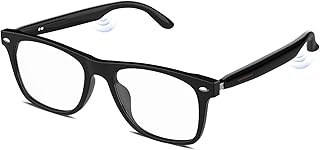


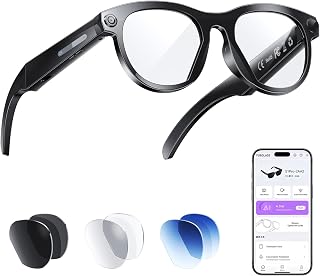


Smart glasses bring wearable technology closer to your natural field of view while keeping many interactions hands-free. Instead of reaching for a smartphone for every task, compatible smart eyewear can provide convenient access to selected functions through voice commands, touch controls, audio or connected devices. This makes the category relevant to Australian shoppers looking for practical technology that can fit naturally into daily routines.
Depending on the model, smart glasses may include features such as speakers, microphones, cameras, wireless connectivity, touch controls or voice-assistant support. Some products focus primarily on audio and communication, while others are designed around cameras, visual information or augmented-reality experiences. Because features vary considerably, checking the specifications is important before choosing a pair.
One of the easiest ways to narrow your search is to consider how you expect to use your smart glasses. If your priority is listening to music, podcasts or calls, look for a model with suitable audio hardware, microphone performance and wireless connectivity. If photography or video is important, check the camera specifications, storage or companion-app requirements and available controls.
For hands-free communication, microphone quality and voice-control compatibility can be especially useful. Travellers, commuters and busy users may also appreciate eyewear that reduces the need to repeatedly handle a phone. For shoppers interested in augmented-reality applications, display technology, field of view, supported software and device compatibility deserve particular attention.
Smart glasses generally work as part of a wider technology ecosystem. Before purchasing, check which smartphones, operating systems, applications and wireless standards the product supports. A pair that works smoothly with your existing devices can provide a much simpler experience than hardware requiring unfamiliar software or additional accessories.
Also consider how the controls operate. Touch-sensitive frames, physical buttons and voice commands each have different advantages. Simple controls can be useful when walking, commuting or carrying other items, while voice interaction can reduce the need for manual operation. Read the product specifications carefully to understand which functions are available in Australia and whether an app or account is required.
Smart glasses are still glasses, so comfort matters. Frame shape, weight, nose support, temple design and overall dimensions can affect how suitable a pair feels during extended use. A lightweight design may be preferable for long periods, while adjustable or appropriately sized frames can help achieve a more secure fit.
Design is another important consideration. Many shoppers want smart eyewear that looks suitable for everyday settings rather than resembling specialised electronic equipment. Consider the frame style, lens appearance and overall profile alongside the technology. If you already wear prescription glasses, check whether the particular model supports prescription lenses or requires a compatible lens solution.
Battery performance can influence how practical smart glasses are throughout the day. Audio playback, calls, cameras, wireless connectivity and other active features can affect operating time. Look at the manufacturer's stated battery information where available and consider how frequently you expect to use connected functions.
Charging arrangements also matter. A convenient charging case or straightforward charging connection can make regular use easier. If you intend to wear smart glasses while travelling, check charging requirements and consider whether you will have suitable access to power during longer trips.
Australian shoppers can consider smart glasses for commuting, travel, entertainment, communication and general wearable-tech use. Local conditions may also make practical design important. For outdoor use, consider lens characteristics, frame comfort and suitability for bright environments. For everyday indoor use, audio, communication and hands-free controls may have greater importance.
When comparing products, pay attention to the complete specification rather than focusing on a single feature. Connectivity, battery performance, camera capabilities, audio functions, compatibility, comfort and available software can all affect the overall experience. Product dimensions and included accessories can also help you determine whether a particular model suits your routine.
Start by identifying the functions you actually need. Make a shortlist based on features such as audio, calls, cameras, voice control, displays, connectivity and app support. Next, compare physical characteristics including frame dimensions, weight and lens options. Finally, review charging requirements, compatibility and included accessories.
It is also useful to distinguish between smart glasses and augmented-reality glasses. Smart glasses may provide connected features without projecting information directly into your vision, whereas augmented-reality products can include visual overlays or other display technologies. Understanding this distinction helps you search for the right type of wearable technology.
Smart glasses can make selected digital tasks more convenient by moving technology into a wearable format. From hands-free audio and calls to cameras and connected controls, the category covers a broad range of capabilities. Choosing the right model depends on your preferred features, existing devices, comfort requirements and intended use.
Explore the Smart Glasses category to compare available options and focus on the specifications that matter most to you. A considered choice can help ensure your new eyewear fits comfortably into your everyday routine while providing the connected functions you want from modern wearable technology.
Discover smart glasses designed to bring connected technology into everyday life. Smart eyewear can combine the familiar shape and convenience of glasses with features such as built-in audio, microphones, cameras, voice controls, notifications and hands-free interaction. Whether you are interested in wearable technology, practical communication tools or a modern alternative to traditional accessories, smart glasses offer an increasingly versatile way to interact with digital devices.