Ballet and dance are all about expression, flexibility, and performance—but none of that is possible without the right equipment. Whether you’re a seasoned professional, a dance student, or just someone who enjoys dancing for fun, having the right ballet and dance equipment can make a significant difference in your performance, comfort, and progression.
At A2ZDeal, we offer a wide range of ballet and dance equipment, designed to support dancers at all levels. From ballet slippers and leotards to mats and accessories, we have everything you need to elevate your dance practice. This guide will walk you through the essential ballet and dance gear, how to choose the right products for your needs, and why A2ZDeal should be your go-to store for top-quality dance equipment.
Types of Ballet & Dance Equipment
1. Ballet Shoes
Ballet shoes are a crucial part of a dancer's gear, directly influencing both comfort and performance. Available in various styles, these shoes cater to different dance techniques, ensuring the perfect fit for each dancer’s needs. Choosing the right pair can make a huge difference in how a dancer feels and performs, from beginner to advanced levels.
Ballet Flats: These are the classic ballet shoes that dancers use during practice and performance. They come in soft leather or canvas, and they provide flexibility and comfort for beginners and intermediate dancers.
Pointe Shoes: Used for advanced ballet dancing, pointe shoes allow dancers to perform en pointe, or on their toes. These shoes are specially designed with a box at the tip and a hard shank to provide the necessary support for the feet.
Jazz and Tap Shoes: These shoes are designed for other dance forms such as jazz and tap. Jazz shoes have a flexible sole and allow for intricate footwork, while tap shoes have metal plates on the soles that make distinctive sounds when tapped.
2. Leotards and Dancewear
Leotards are an essential part of ballet and dance equipment because they provide freedom of movement and comfort. They also give instructors the ability to assess a dancer’s form.
Ballet Leotards: Classic, form-fitting, and available in various colors and styles, ballet leotards are designed to offer comfort and flexibility. Many dancers wear them during practice sessions and performances.
Tank Leotards: Tank-style leotards are great for dancers who prefer a less constricting upper body. They provide ample movement space, making them ideal for more energetic dance styles like jazz or contemporary.
Ballet Tights: Tights are worn with leotards to ensure that the dancer’s movements are visible to instructors. They also provide warmth and support for the muscles, preventing strain during intense sessions.
Warm-Ups: Ballet dancers often wear warm-up gear like legwarmers, skirts, and wraps to stay warm before class or performance. These clothes are made of lightweight fabrics that help retain body heat.
3. Dance Mats and Flooring
The right flooring is essential to a dancer's health and performance. Dance mats and floors provide the necessary cushion and grip to avoid injuries while allowing for smooth movements.
Portable Dance Floors: These floors are designed for dancers who need to practice at home or in studios without traditional hardwood or sprung floors. They are made from materials like vinyl, PVC, and wood, providing excellent traction.
Dance Mats: Portable and affordable, dance mats offer a cushioned surface for dancers to practice on. They help to reduce the impact on joints, making them an excellent choice for dancers who practice on hard surfaces at home.
Sprung Floors: Commonly used in professional dance studios, sprung floors feature a system of layers that absorb shock and reduce stress on the joints. These floors are ideal for high-impact dancing like ballet, modern, and contemporary dance.
4. Dance Accessories
Dance accessories help enhance your performance and make your practice sessions more effective. From warm-ups to post-dance care, the right accessories can improve both comfort and results.
Dance Bags: Every dancer needs a reliable bag to carry their gear. Dance bags come in various sizes, from small bags to larger duffels, and typically have separate compartments for shoes, clothes, and accessories.
Foot Care: Foot care items like foot cushions, toe pads, and blister protectors are essential for dancers, especially those using pointe shoes. These accessories help prevent injury and make dancing more comfortable.
Hair Accessories: A ballet bun is the standard hairstyle for many dance forms. Hairnets, pins, and elastics help keep the hair secure and neat during practice and performance.
Dance Belts and Support: For male dancers, dance belts offer necessary support during rigorous movements. These are particularly important in ballet and other performance-based dance styles.
5. Ballet Barre and Stretching Equipment
Having the right tools to build strength and flexibility is key to any dancer’s success. Ballet barres and stretching equipment help dancers warm up, practice their form, and improve their technique.
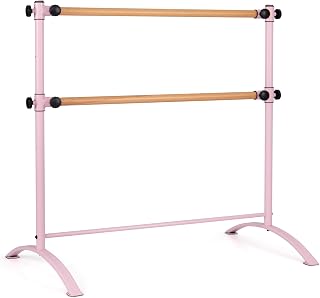
Ballet Barres: Ballet barres are a crucial piece of equipment for both beginners and advanced dancers. They are used for warm-up exercises, balance practice, and stretching. Barres can be fixed to the wall or portable for easy setup.
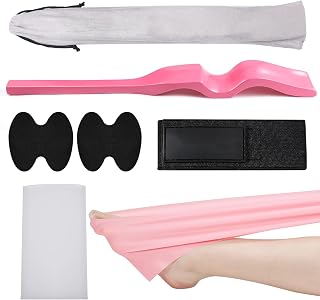
Resistance Bands: Resistance bands are used for stretching and strengthening exercises, helping to increase flexibility and muscle tone. They’re a great addition to a dancer’s training routine.
Foam Rollers: After a long day of practice, foam rollers help release muscle tension and prevent injuries by improving blood flow and flexibility. They’re great for both pre-and post-dance routines.
6. Dance Costumes and Performance Wear
Dance performances require specialized costumes that allow for movement while also aligning with the theme or style of the performance.
Costumes for Ballet: Ballet costumes, such as tutus and bodices, are lightweight and designed for performance. They need to allow full freedom of movement while also providing the aesthetic required for the performance.
Dance Skirts: Many dancers wear skirts during practice or performances. These skirts can be lightweight and floaty for contemporary styles or more structured for classical ballet performances.
Stage Makeup & Accessories: Stage makeup helps dancers highlight their features under stage lights. Makeup kits designed for dancers include waterproof makeup, eyelash extensions, and other performance essentials.
How to Choose the Right Ballet & Dance Equipment
Choosing the right ballet and dance equipment is essential for improving your technique and ensuring that you can perform safely. Here are some tips on how to choose the best gear:
1. Comfort and Fit
Comfort is key when selecting any dance gear. Ballet shoes, leotards, and tights should fit snugly but not be restrictive. For pointe shoes, it’s essential to have them properly fitted by a professional to avoid injury. Always try on your gear before purchasing, and make sure it allows for full movement without causing discomfort.
2. Quality and Durability
Ballet and dance equipment undergoes a lot of wear and tear. Invest in high-quality, durable gear that can withstand rigorous training sessions. Look for reputable brands known for producing durable products, and opt for equipment made from long-lasting materials like leather, canvas, and cotton blends.
3. Purpose and Style
Different dance styles require different types of equipment. Ballet dancers need specific shoes like pointe shoes and flat ballet slippers, while jazz or modern dancers might prefer flexible, slip-on shoes. Choose your gear based on your dance style to ensure it provides the necessary support and performance benefits.
4. Budget
While high-quality gear can be an investment, you don’t have to break the bank to get the right equipment. A2ZDeal offers a wide range of ballet and dance equipment at affordable prices, ensuring you get the best value for your money.