

♥ Wishlist


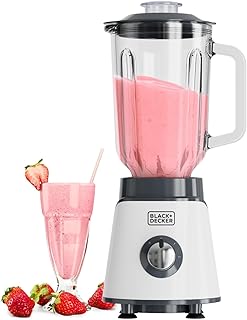

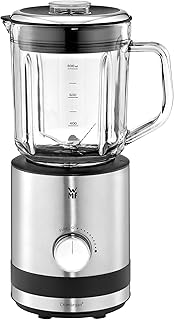
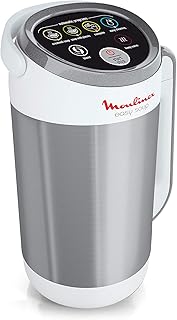
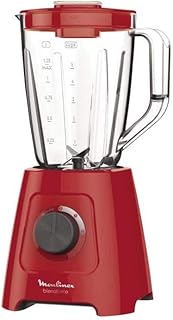


Blenders are versatile kitchen appliances designed to break down and combine ingredients into smooth or textured mixtures. They can help with a wide range of everyday tasks, from making breakfast smoothies and protein drinks to preparing soups, sauces, dips and blended desserts. For Australian households, a blender can be a useful addition to a kitchen when convenience, speed and consistent preparation matter.
When shopping for blenders in Australia, start by considering how you expect to use the appliance. A compact blender may suit someone who mainly prepares individual smoothies or drinks, while a larger countertop model can be more practical for family-sized recipes. Your available bench space, preferred recipes and cleaning routine can all influence which type makes sense for your home.
Different blender designs suit different styles of food preparation. Personal blenders are generally convenient for individual servings and quick drinks. Their compact format can also be useful where kitchen storage or bench space is limited. Countertop blenders typically provide a larger blending container and can be better suited to preparing several servings at once.
Some shoppers may also prefer multifunctional appliances that support more than one type of preparation. Before choosing a model, consider the foods you regularly make rather than selecting an appliance based only on appearance or a single specification. A blender that matches your normal recipes can provide more useful performance over time.
Motor power is one consideration when comparing blenders, particularly if you plan to blend harder or denser ingredients. However, power should not be viewed in isolation. Blade design, container capacity, speed settings and the overall construction of the appliance can also affect everyday usability.
Think about how much you usually prepare in one session. A smaller capacity can work well for single portions, while a larger jug may be more convenient for families or batch preparation. Choosing an appropriate size can also make storage and cleaning easier.
Multiple speed settings can provide greater control over blending consistency. Some recipes benefit from a slower start, while others require stronger or faster blending. Pulse functionality can also help with short bursts of processing when you want greater control over texture.
Blade configuration and jug shape can influence how ingredients move around the blending container. Consider the materials used, the shape of the jug and how easily the components can be cleaned. A practical design can make frequent use more convenient.
One of the most common uses for a blender is preparing smoothies. Fruit, vegetables, yoghurt, milk and other ingredients can be combined into a convenient breakfast or snack. A suitable blender can also help create sauces and dressings with an even consistency.
For soup preparation, consider the blender's capacity and the way you normally prepare meals. Some households blend ingredients in batches, while others prefer appliances designed around smaller portions. Always follow the manufacturer's instructions when blending warm or hot ingredients, as appliance designs and operating requirements can differ.
Cleaning is an important consideration if you plan to use your blender regularly. Removable components can make washing more straightforward, while a simpler design may reduce the number of areas where food residue can collect. Check the manufacturer's cleaning instructions before placing any component in a dishwasher.
Storage should also form part of your decision. Measure your available bench and cupboard space before purchasing a larger appliance. If you use a blender frequently, keeping it accessible may be more convenient than storing it away after every use.
Start by listing the recipes you expect to prepare most often. Next, consider the required capacity, available kitchen space and features that will make those tasks easier. Think about whether you need individual servings or larger batches, whether variable speeds are useful and how important simple cleaning is to your routine.
It is also sensible to compare the overall design rather than focusing on one specification. Look at capacity, controls, construction, blade design and ease of handling together. Australian shoppers should also check the product information supplied for the specific appliance, including electrical requirements, care instructions and any applicable operating guidance.
A well-chosen blender can support everyday meal preparation and make a variety of recipes quicker to prepare. From breakfast smoothies and drinks to sauces, soups and other blended foods, the right appliance depends on how you plan to use it. Compare the available options by size, functionality, controls, design and cleaning requirements to find a blender that fits your kitchen and cooking habits.
Whether you are replacing an older appliance or adding a blender to your kitchen for the first time, focus on practical features that match your routine. By considering capacity, intended use, available space and ease of maintenance, you can make a more informed choice when shopping for blenders in Australia.
Find practical blenders for Australian kitchens and make everyday food preparation easier. Whether you want to blend smoothies, prepare soups, make sauces or process ingredients, choosing the right blender can help you achieve consistent results with less effort. Explore the key blender types, features and buying considerations before choosing an option that suits your kitchen routine.