

♥ Wishlist


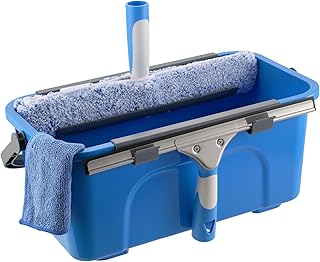
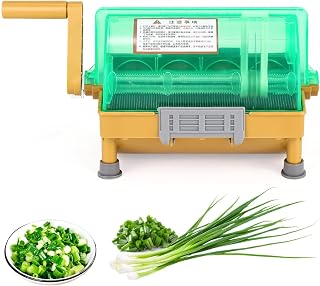


A commercial kitchen needs equipment that supports efficient preparation, consistent cooking and organised service. The right equipment can help food businesses handle demanding workloads while making better use of valuable kitchen space. Whether you are setting up a new venue, upgrading an existing kitchen or replacing individual appliances, commercial kitchen equipment covers a wide range of essential products.
Australian restaurants, cafés, bakeries, catering operations, takeaway shops and hospitality businesses can have different equipment requirements. A small café may prioritise compact preparation and cooking equipment, while a larger restaurant may need dedicated refrigeration, cooking stations, food-processing equipment and storage solutions. Consider your menu, available space, expected workload and daily operating routine before choosing products.
Food preparation is an important part of every professional kitchen. Preparation equipment can help with tasks such as chopping, mixing, slicing, processing and portioning ingredients. Selecting equipment that matches the volume and type of food you prepare can make repetitive kitchen tasks more manageable.
Think about the ingredients used most frequently in your business. Equipment designed for high-volume preparation may suit busy kitchens, while compact options can be useful where bench and storage space are limited. Easy-to-clean designs can also support practical day-to-day kitchen routines.
Cooking equipment forms the centre of many professional kitchen operations. Depending on the menu, a commercial kitchen may require equipment for frying, boiling, grilling, baking, roasting or other cooking methods. Choose equipment according to the dishes you serve and the cooking capacity your business requires.
Pay attention to dimensions, capacity, controls, power requirements and installation considerations. Australian businesses should also check relevant product specifications and ensure that electrical equipment is suitable for their intended commercial environment. Always follow the manufacturer's installation, operating and cleaning instructions.
Reliable cold storage is essential for businesses that handle fresh, chilled or frozen ingredients. Commercial refrigeration equipment can include refrigerators, freezers, display units and other cold-storage solutions. Capacity and internal organisation are important considerations when choosing refrigeration for a professional kitchen.
Measure the available installation area before purchasing large equipment. Allow suitable clearance around appliances where required, and consider how frequently staff need to access stored ingredients. Efficient organisation can make food preparation and stock management easier during busy service periods.
Different food-service businesses need different combinations of commercial kitchen equipment. Cafés may focus on beverage preparation, compact cooking equipment and refrigerated storage. Restaurants can require a broader selection of preparation, cooking and storage products. Catering businesses may also value equipment that supports efficient preparation across changing locations or event requirements.
When planning an equipment purchase, create a list based on your actual workflow. Start with core preparation, cooking, refrigeration and storage requirements, then identify equipment that can improve efficiency or support additional menu items.
Commercial kitchen equipment should work with the layout of the kitchen rather than creating unnecessary obstacles. Measure benches, doorways, service areas and installation spaces before ordering larger products. Consider how ingredients move from storage to preparation, cooking and service.
A practical workflow can reduce unnecessary movement between workstations. Group equipment according to related tasks where possible, while maintaining suitable access and safe working areas. Compact equipment may also be useful for businesses operating in smaller commercial premises.
Start by comparing the equipment's dimensions, capacity and intended application. Check the manufacturer's specifications for power requirements, operating conditions, installation needs and cleaning instructions. For equipment used with food, consider how easily surfaces and removable components can be cleaned.
Also consider durability, maintenance requirements and replacement parts where applicable. A product that suits your actual workload and kitchen workflow can be more practical than choosing equipment based solely on appearance or maximum capacity.
Finding the right commercial kitchen equipment starts with understanding your business requirements. Compare products according to function, size, capacity and suitability for your kitchen setup. Whether you are replacing one essential appliance or planning a broader kitchen upgrade, focus on equipment that supports your daily food-service workflow.
For Australian shoppers, consider measurements in millimetres, litres and kilograms where relevant, and review product specifications carefully before purchase. Check delivery access for large equipment, particularly when products need to enter commercial premises through narrow doors, lifts or restricted loading areas.
A well-planned equipment selection can support preparation, cooking, storage and service from one coordinated workflow. Identify the tasks that consume the most time in your kitchen, then look for equipment that is designed to handle those requirements efficiently. With careful planning, businesses can create a professional kitchen setup that fits their menu, workspace and operational needs.
Equip a busy commercial kitchen with practical equipment designed for food preparation, cooking, storage and service. Explore commercial kitchen equipment for restaurants, cafés, catering businesses, bakeries, takeaway venues and other food-service environments across Australia.