

♥ Wishlist






A cooktop is one of the most important appliances in a kitchen because it supports everything from quick breakfasts to family dinners and elaborate weekend meals. Choosing the right model involves more than selecting a style that looks good. Cooking technology, burner or cooking-zone layout, dimensions, controls, cleaning requirements and installation considerations can all affect your experience.
Australian kitchens can benefit from a wide range of cooktop designs. Gas cooktops remain a familiar choice for cooks who enjoy visible flames and direct heat control. Ceramic cooktops provide a smooth cooking surface that can complement contemporary kitchen designs, while induction cooktops use electromagnetic technology to heat compatible cookware efficiently. Electric cooktops offer another practical approach for households looking for straightforward cooking performance.
Gas cooktops provide visible flames and allow you to adjust heat quickly while cooking. They can suit home cooks who regularly use different heat levels for frying, boiling, simmering and other techniques. When choosing a gas model, consider the number and arrangement of burners, pan support design and installation requirements.
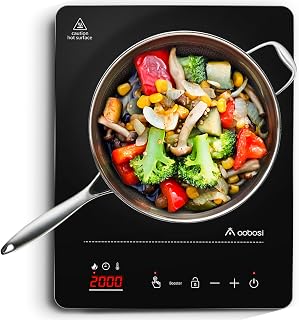
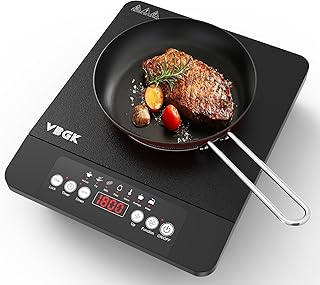
Induction cooktops are designed for fast, precise cooking and a sleek kitchen appearance. They heat compatible cookware directly rather than relying on a conventional exposed heating element. Many induction models also offer useful controls and cooking functions. Check that your existing pots and pans are induction compatible before purchasing.
Ceramic cooktops feature a smooth glass-ceramic surface that creates a clean, streamlined look. Their flat design can make wiping the cooking area easier after use. Look at the number, size and position of cooking zones to make sure they accommodate the cookware you use most often.
Electric cooktops can provide a straightforward cooking solution for a range of kitchens. Depending on the design, they may feature multiple heating zones and simple controls. Compare the cooking surface, zone configuration, dimensions and power requirements to find a suitable option.
Before selecting a cooktop, measure the available space carefully. The overall appliance dimensions and required cut-out dimensions are not always identical, so check the manufacturer's specifications for installation details. Consider how the cooktop will work with surrounding cabinetry, splashbacks, rangehoods and other kitchen appliances.
Cooktop size should also match your household's cooking habits. A compact model may work well in a smaller kitchen or apartment, while a larger cooking surface can provide more room for several pots and pans at once. Think about how many cooking zones or burners you typically use rather than choosing a size based only on appearance.
Modern cooktops can include features designed to improve convenience, control and safety. Depending on the technology and model, these may include touch controls, timers, residual heat indicators, child safety locks, automatic shut-off functions, flame protection and different power settings.
Controls are particularly important because they influence how easily you can adjust cooking temperatures. Touch controls can create a minimalist appearance and are common on smooth-surface cooktops, while physical controls can offer a more traditional experience. Compare the control layout with your preferred cooking style.
Keeping your cooktop clean can help maintain its appearance and make everyday cooking more pleasant. Wipe spills according to the manufacturer's care instructions and use cleaning products that are appropriate for the cooking surface. Ceramic and induction surfaces benefit from prompt cleaning because dried-on food can become harder to remove.
Gas cooktops may require attention to trivets, burner caps and surrounding surfaces. Regular cleaning can help prevent food residue from building up. Always allow components to cool where necessary and follow the manufacturer's instructions for safe cleaning and maintenance.
When comparing cooktops, start with the cooking technology and available space, then consider the features that matter most to you. Review dimensions, cooking zones, controls, power requirements, compatible cookware and installation information. A cooktop that matches your kitchen layout and everyday cooking habits can provide a more practical long-term choice.
Australian shoppers should also pay close attention to installation requirements. Gas and electrical appliances may require qualified installation or specific connections. Follow the product documentation and applicable Australian requirements, and use an appropriately qualified professional when installation calls for one.
Whether you are renovating a kitchen, replacing an older appliance or setting up a new home, browsing cooktops by cooking technology, size and features can help narrow your options. Compare the available specifications carefully so your chosen cooktop works with both your kitchen and your cooking routine.