

♥ Wishlist


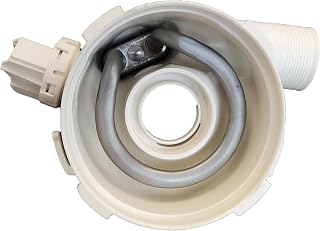


Choosing the right dishwasher can make everyday kitchen cleaning simpler, especially for busy Australian households. A dishwasher can handle plates, bowls, cutlery, cookware and other suitable kitchen items while helping reduce the time spent washing dishes by hand. Whether you are replacing an older appliance, fitting out a new kitchen or looking for a compact option for a smaller home, comparing dishwasher types and practical features can help you find a suitable match.
Dishwashers come in several formats to suit different kitchen layouts and household needs. Freestanding dishwashers offer flexibility because they can be installed in an appropriate space without requiring a fully integrated kitchen design. Built-in models are designed to sit within cabinetry for a more streamlined appearance. Slimline dishwashers can work well where kitchen space is limited, while compact and benchtop options may suit smaller households, apartments, offices or secondary kitchens. Before choosing, consider the available space, installation requirements and the amount of washing your household generates.
Kitchen layout is one of the first things to consider when shopping for a dishwasher. Measure the available width, height and depth carefully, including any clearance needed for the door to open. Check the position of plumbing, drainage and electrical connections before purchasing. These measurements can help you narrow your options and avoid choosing an appliance that does not suit the intended installation area.
Freestanding dishwashers are a practical choice for kitchens where flexibility is important. They can provide useful washing capacity without requiring a fully integrated cabinetry setup. This style may also be worth considering when replacing an existing dishwasher while keeping changes to the kitchen layout to a minimum.
Built-in dishwashers are designed to fit into a designated kitchen space and can create a neat, coordinated appearance. Integrated designs can be particularly appealing when you want the appliance to blend more closely with surrounding cabinetry. Always confirm the required dimensions and installation specifications before selecting a built-in model.
Slimline dishwashers provide an alternative when standard dishwasher dimensions are difficult to accommodate. Their narrower format can be useful in compact kitchens or households that do not need a large washing capacity. Compact and benchtop models can offer another solution where floor space is especially restricted.
Dishwasher features can vary considerably, so it helps to focus on functions that match your routine rather than choosing based only on the number of programmes. Wash cycles may include settings designed for everyday loads, intensive cleaning, delicate items or quicker washes. Adjustable racks and flexible baskets can also make it easier to organise different types of dishes.
Noise level can be important in open-plan homes, apartments and kitchens positioned close to living areas. Water and energy efficiency may also matter when comparing models for regular use. Look at the appliance specifications and available efficiency information to understand how a dishwasher may fit your household's ongoing running requirements.
Capacity should reflect the number of people in your household and how frequently you plan to run the appliance. Larger households may benefit from greater internal capacity, while couples or individuals may prefer a smaller format that matches their typical daily load. Consider the types of items you regularly wash as well. Adjustable shelving, cutlery baskets and folding supports can make a dishwasher more versatile when loading plates, glasses, pots and pans.
A dishwasher needs suitable water, drainage and electrical connections, so installation should be considered before ordering. If you are replacing an existing appliance, check whether the new dishwasher's dimensions and connections correspond with the existing space. Professional installation may be appropriate depending on the appliance, property and local requirements.
For everyday use, scraping excess food from dishes and loading items according to the manufacturer's instructions can help support effective cleaning. Dishwasher-safe labels should also be checked before placing cookware, plastics, glassware or other items inside. Regularly cleaning filters and following the care instructions can help maintain performance over time.
When comparing dishwashers in Australia, start with the space available in your kitchen, then consider capacity, dishwasher style, wash programmes, rack configuration, noise, efficiency and installation requirements. Comparing these factors together makes it easier to identify an appliance that fits both your kitchen and your household routine.
Explore the dishwasher category to compare available options and review product specifications before making a purchase. Taking a little time to check dimensions, features and practical requirements can help you choose a dishwasher that works comfortably within your Australian kitchen.