

♥ Wishlist


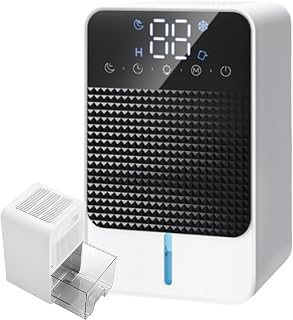


Excess humidity can make indoor spaces feel damp, uncomfortable and difficult to keep fresh. A dehumidifier removes moisture from the air and can be a practical addition to homes, apartments, bedrooms, bathrooms, laundries and other areas where humidity becomes a concern. The right model can help create a more comfortable indoor environment while supporting everyday moisture management.
When shopping for dehumidifiers in Australia, consider the size of the room, the amount of moisture present and how frequently you expect to use the appliance. A compact unit can suit a smaller bedroom, study or bathroom, while a higher-capacity model may be more appropriate for larger living areas or spaces with consistently high humidity. Choosing a suitable capacity can help you balance performance, convenience and energy use.
Different rooms can have different moisture-control requirements. Bedrooms may benefit from compact and quieter designs, particularly when the appliance operates for extended periods. Bathrooms and laundries can experience increased moisture from showers, washing and drying clothes, making convenient moisture removal useful. Larger living spaces may require a unit with greater moisture-removal capacity to cover the area effectively.
Compact dehumidifiers are useful when space is limited or when you need a portable option for a smaller room. Their smaller footprint can make them easier to position, move and store between uses. Check the manufacturer's recommended room coverage before choosing a compact model.
Higher-capacity dehumidifiers can be suitable for larger rooms or environments where moisture levels remain elevated. Look for information about moisture-removal capacity, water-tank size and recommended room area to determine whether a particular model matches your requirements.
Comparing features can make it easier to select a dehumidifier that fits your routine. Humidity controls allow you to set or monitor the desired moisture level, depending on the model. A built-in water tank collects extracted moisture, while some appliances may offer continuous drainage options. Automatic shut-off can add convenience when the tank becomes full.
Portability is another useful consideration. Castor wheels, carrying handles or a relatively lightweight construction can make it easier to move a unit between rooms. A timer can help you manage operating periods, while different fan speeds may allow you to adjust performance and noise according to the situation.
Noise levels matter when using a dehumidifier in a bedroom, home office or other quiet space. Review the manufacturer's specifications and consider where the unit will operate most often. Leave appropriate clearance around the appliance and always follow the installation, ventilation and electrical instructions supplied with the product.
Water-tank capacity affects how often you need to empty the appliance. A larger tank may be convenient for longer periods of operation, while continuous drainage can reduce manual emptying when the product supports it. Check compatibility, hose requirements and the manufacturer's instructions before setting up a drainage connection.
Australia has diverse climates, from humid coastal regions to areas with seasonal changes in indoor moisture. Humidity can also increase in particular rooms because of showers, cooking, laundry and insufficient ventilation. A dehumidifier can provide an additional way to manage indoor moisture when used correctly.
For Australian shoppers, it is sensible to consider the room size, local climate, expected operating frequency and available floor space before buying. Also check the product's electrical requirements and ensure the appliance is suitable for use in Australia. Following the manufacturer's safety and maintenance instructions helps support reliable everyday operation.
Start by identifying the room or rooms where moisture is most noticeable. Next, check the recommended coverage area and moisture-removal capacity of each suitable model. Consider tank capacity if you prefer less frequent emptying, or look for a compatible continuous-drain feature if the appliance provides one.
Then compare practical features such as humidity controls, operating modes, fan speeds, timers, portability and noise specifications. A model with useful controls and an appropriate capacity can be easier to incorporate into your regular household routine. Avoid choosing solely by physical size; a very small appliance may not provide the capacity required for a larger or particularly damp area.
Regular maintenance can help keep a dehumidifier operating effectively. Empty and clean the water container as directed, inspect filters when applicable and clean or replace them according to the manufacturer's recommendations. Keep air inlets and outlets unobstructed and position the appliance on a stable surface.
Always consult the product manual for cleaning procedures, drainage instructions and safety requirements. If you notice unusual operation, damage or an electrical problem, stop using the appliance and follow the manufacturer's service guidance.
Explore dehumidifiers for different rooms, capacities and household requirements. Whether you need moisture control for a bedroom, bathroom, laundry or living area, comparing specifications before purchase can help you find a suitable option. Consider capacity, coverage, water management, controls, portability and operating requirements to make an informed choice.
Find dehumidifiers designed to help manage excess moisture in bedrooms, bathrooms, laundries, living areas and other indoor spaces. Explore different capacities, features and designs to find a dehumidifier that suits your Australian home and everyday needs.