

♥ Wishlist






Field hockey is a fast-paced team sport that combines stick skills, movement, passing, positioning and quick decision-making. Having suitable equipment can help players train comfortably and prepare for matches with greater confidence. This field hockey category brings together equipment and accessories designed for practice, club sport, school teams and recreational use.
Whether you are buying your first hockey stick or replacing equipment used regularly, consider how each item suits your playing style, experience and intended use. Australian players can choose equipment for training sessions, competitive matches and general practice while considering factors such as stick size, construction, grip, weight and protective features.
The hockey stick is one of the most important pieces of field hockey equipment. Sticks are available in different lengths, weights, materials and designs to suit different players and techniques. Younger players may need a different stick size from adults, while experienced players often consider balance and feel when selecting equipment.
When comparing field hockey sticks, look at the overall construction, weight distribution, grip and playing characteristics. A suitable stick should feel comfortable during dribbling, passing and shooting. Players who regularly practise may also benefit from choosing equipment that matches the demands of their normal training routine.
Field hockey balls are essential for both structured training and match preparation. Players can use hockey balls to practise passing, receiving, dribbling, shooting and other fundamental skills. Coaches and teams may also use additional training equipment to create drills that develop speed, control, accuracy and movement.
For home practice or club training, consider the available practice area before selecting equipment. A suitable training setup can make it easier to repeat skills consistently while helping players focus on specific aspects of their game.
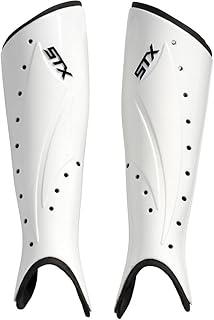
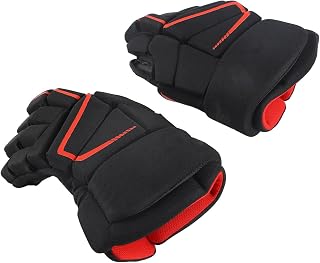
Protective equipment can form an important part of a player's kit. Depending on the position and level of play, players may use items such as shin guards, mouthguards, gloves and other protective accessories. Goalkeepers require specialist protective equipment because their role involves facing shots and defending the goal.
When purchasing protective gear, fit and comfort are important considerations. Equipment should be appropriate for the player's size and intended activity. Check product information carefully and follow the relevant rules or requirements of your school, club, competition or governing body.
Training accessories can help players and coaches build more varied practice sessions. Cones, markers, rebound equipment and other training aids can support drills focused on ball control, passing accuracy, agility and positioning. These accessories can be useful for individual practice as well as organised team sessions.
A simple selection of training aids can support progressive drills. For example, players can use markers to practise changes of direction before adding passing or shooting elements. Coaches can also adapt drills according to player age, experience and available playing space.
Start by identifying the equipment you actually need. A beginner may require a stick, ball, protective gear and basic training accessories, while an experienced player may be replacing a specific item or building a complete match kit. Buying according to your playing needs can make the selection process more straightforward.
Australian shoppers should also consider local playing conditions and the type of surface used for training or competition. Field hockey is commonly played on specialised surfaces, and equipment choices can vary according to playing environment and personal preference. Always check the manufacturer's specifications for recommended use.
Beginners can focus on comfortable, practical equipment that supports learning fundamental skills. As players gain experience, they may develop preferences for particular stick characteristics, protective accessories and training tools. Parents purchasing equipment for junior players should pay particular attention to sizing and fit because children can quickly outgrow their gear.
Clubs, schools and teams may need multiple sticks, balls and training accessories for group sessions. Creating a clear equipment list before shopping can help identify essential items and avoid unnecessary purchases. Coaches can also separate shared training equipment from personal protective equipment so each player has suitable individual gear.
A practical field hockey kit should cover the equipment needed for the player's regular activities. Keep the stick and balls protected during transport, and inspect equipment regularly for visible wear or damage. Clean and store items according to the manufacturer's care instructions to help maintain their condition.
From beginner practice to organised competition, the right combination of field hockey equipment can make preparation easier. Explore the available category options and compare specifications before choosing products that fit your playing requirements, age group and training routine.
Find practical field hockey equipment for training, competition and recreational play. Explore essential hockey gear such as sticks, balls, protective equipment and training accessories for players at different stages of the game.