

♥ Wishlist


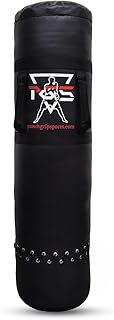


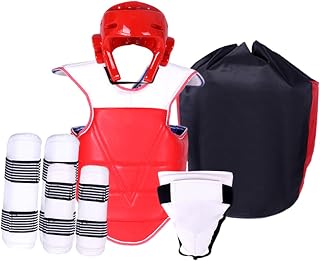


Martial arts training combines technique, movement, discipline and physical conditioning. Having suitable equipment can make regular practice more practical while helping you focus on developing skills safely and consistently. The martial arts category covers a broad range of training gear designed for different disciplines, practice environments and experience levels.
Australian shoppers can choose equipment according to their training goals, preferred martial art and available space. Beginners may need only a few basic items, while experienced practitioners can build a more specialised training collection. Before buying, consider how often you train, where you practise and whether the equipment is intended for individual drills, partner practice or general fitness.
Different martial arts place different demands on equipment. Boxing and kickboxing training can involve striking practice, while disciplines such as karate, taekwondo and mixed martial arts may combine kicking, punching, footwork and conditioning. Grappling-focused disciplines can require equipment suited to throws, holds, ground work and mobility.
Start by identifying the techniques you practise most frequently. This helps prevent unnecessary purchases and makes it easier to select equipment that complements your training routine. If you attend a martial arts club, check whether your instructor has specific equipment recommendations before choosing specialist gear.
New practitioners often benefit from keeping their equipment simple. Basic training essentials can provide a foundation for learning movement patterns and practising fundamental techniques. Focus on items that match your chosen discipline rather than buying a large collection before you understand your training requirements.
More experienced martial artists may want equipment that supports focused drills, conditioning or advanced practice. When upgrading, look at construction, fit, intended use and compatibility with your existing training setup. Durable equipment can be particularly useful for people who train frequently.
Home training can be useful when you want additional practice between classes. The available space should influence your equipment choices. Compact gear can suit smaller rooms, while larger training equipment may require a dedicated area. Keep enough clear space around your training zone to move comfortably and avoid obstacles.
A home setup can support activities such as technique drills, footwork, conditioning and general fitness. However, equipment should complement rather than replace appropriate coaching when learning techniques that require supervision or partner practice.
Quality, intended use and comfort all matter when selecting martial arts equipment. Check product specifications carefully and choose equipment appropriate for your training activity. Protective items should fit correctly and should not interfere with normal movement.
Consider the material and construction of frequently used products, especially if you train several times a week. Easy-care equipment can also be convenient for regular users. For portable training, weight and storage requirements may be important factors.
Training equipment should allow natural movement without creating unnecessary discomfort. When a product has sizing information, compare the manufacturer's measurements with your own rather than relying solely on a general size label.
Someone who trains occasionally may have different requirements from a practitioner attending several sessions each week. Frequent use can make durability, maintenance and comfort more important purchasing considerations.
Martial arts training can also form part of a broader fitness routine. Equipment used for striking drills, movement practice and conditioning can add variety to workouts. When selecting gear for fitness purposes, consider the intensity and type of exercises you plan to perform.
Warm-ups, technique practice and appropriate recovery should remain part of a balanced training routine. If you are new to demanding physical activity, introduce exercises gradually and seek qualified instruction where appropriate.
A useful training setup does not have to be complicated. Begin with equipment that directly supports your current discipline and training goals. As your skills develop, you can add specialised items that address specific techniques or conditioning needs.
For Australian shoppers, also consider storage, available training space and how easily equipment can be transported. A practical setup is one that you can use regularly and maintain without unnecessary inconvenience.
Shopping online makes it easier to compare product specifications and identify equipment suited to your training style. Review dimensions, materials, sizing information and intended use before placing an order. Product descriptions can help you understand whether an item is designed for beginners, regular training, conditioning or a specific martial arts discipline.
Whether you are preparing for your first class or improving an established home training area, choose equipment based on genuine training needs. The right combination of practical gear can help create a more organised and enjoyable martial arts practice routine.
Explore martial arts equipment for training, practice, fitness and skill development. Whether you are starting a new discipline or upgrading your training setup, the right gear can support comfortable and consistent practice at home, in a club or at the gym.