

♥ Wishlist


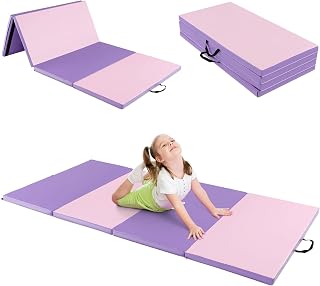


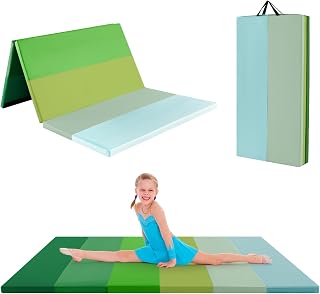


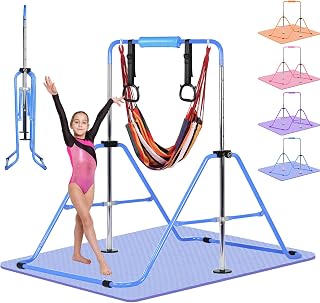


Gymnastics combines strength, flexibility, balance, coordination and body control. Suitable equipment can help create a practical environment for practising these skills. From beginner activities to more structured training, gymnastics gear can support a variety of exercises at home, in recreational spaces or during supervised practice.
When choosing gymnastics equipment in Australia, consider who will use it, which movements they want to practise and how much room is available. A compact product can suit a smaller home training area, while larger equipment may require a dedicated space. Always check the product specifications, dimensions, weight limits and recommended age before making a purchase.
Gymnastics equipment can suit beginners, developing athletes and experienced users, depending on its design and intended purpose. Beginners may benefit from equipment that supports basic balance, movement and coordination exercises. More experienced gymnasts may look for equipment that complements established training routines and specific skills.
Choosing equipment that matches the user's ability can make practice more comfortable and manageable. It also helps shoppers focus on products that fit their actual training requirements rather than selecting equipment based only on appearance.
For beginners, look for equipment that supports fundamental movements and controlled practice. Products designed around balance, flexibility, coordination and basic strength can help introduce gymnastics activities in an accessible way. Age recommendations and appropriate supervision remain important, particularly when children are involved.
As skills develop, gymnasts may need equipment that complements more focused practice. Consider the type of movement being practised, the available training area and the user's experience. Equipment should provide an appropriate setup for the activity and should always be used according to the manufacturer's instructions.
Buying gymnastics gear involves more than selecting a product that looks suitable. Start by measuring the intended space. Check whether the equipment can fit comfortably with enough surrounding room for the planned activity. Product dimensions are especially important for home users with limited floor space.
Next, check construction details, weight capacity and recommended usage. These specifications help you select equipment that matches the intended user. For children's gymnastics equipment, consider age suitability and whether adult supervision is required.
Measure the area before ordering larger gymnastics products. Remember to account for the space needed around the equipment rather than measuring only the footprint of the product. A practical setup should allow users to move safely and comfortably around the training area.
Construction materials can affect durability, stability, comfort and maintenance. Review the product information for details about frames, surfaces, padding, covers and other components. Choosing products suited to their intended frequency of use can help support long-term value.
Home gymnastics practice can be a convenient way to incorporate movement into regular routines. However, the equipment should match the available environment and the user's abilities. Compact training products can be useful where space is limited, while larger equipment may suit dedicated activity rooms or spacious training areas.
Keep the training area clear of unnecessary objects and follow all available usage guidance. Gymnastics involves movement and physical activity, so suitable preparation, supervision and appropriate technique are important considerations.
Gymnastics can support active lifestyles by combining physical movement with balance, coordination and skill development. Families can choose equipment based on age, interests and experience. When shopping for children, prioritise age-appropriate products and follow the manufacturer's recommendations.
Australian shoppers can also consider practical factors such as available storage space, delivery requirements and the dimensions of products before purchasing. Comparing specifications can make it easier to narrow down suitable options for a home or recreational setup.
A well-planned training area can make gymnastics sessions easier to manage. Keep frequently used equipment accessible while storing larger items securely when they are not in use. Inspect equipment regularly for visible wear or damage and follow the manufacturer's care and maintenance instructions.
Whether you are introducing gymnastics to a beginner or supporting ongoing practice, selecting equipment around the user's needs can help create a more suitable training environment. Explore the gymnastics category to compare relevant products and find options that fit your space, routine and requirements.
Discover gymnastics equipment designed to support practice, movement, balance, coordination and active play. Whether you are setting up a training space at home, preparing for regular practice or looking for equipment for developing gymnastics skills, the right gear can make sessions more organised and engaging. Explore gymnastics products with Australian shoppers in mind and choose equipment according to age, ability, available space and intended use.