

♥ Wishlist


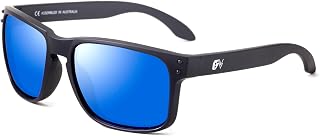


Sports sunglasses are designed for people who spend time outdoors and want eyewear that suits movement, changing light and active pursuits. Unlike everyday fashion sunglasses, sports-focused designs commonly emphasise a secure fit, lightweight construction, lens coverage and comfort during physical activity. These features can make them useful for cycling, running, walking, hiking, fishing, driving and a wide range of recreational activities.
Australia offers diverse outdoor environments, from urban parks and beaches to mountain trails and open country roads. Bright sunlight can be a consideration in many of these settings, so choosing suitable eyewear is an important part of preparing for time outside. When shopping for sports sunglasses, consider the activity, expected lighting conditions, frame fit and lens characteristics rather than choosing a pair based on appearance alone.
Cyclists often need sunglasses that remain comfortable and stable while riding. A close-fitting frame can help reduce distractions caused by movement, while broad lenses can provide useful coverage around the eyes. For road cycling, commuting and recreational rides, look for a secure fit and lens design that suits the conditions in which you normally ride.
Clearer lenses may be useful for lower-light environments, while darker options can be more suitable for bright conditions when their stated rating matches the environment. Riders who move between shaded and sunny areas may also consider lens technologies designed for changing light. Always check the manufacturer's information before selecting eyewear for a particular riding environment.
Running sunglasses should feel comfortable over longer sessions and stay in position as you move. A lightweight design can help reduce pressure during extended training, while a suitable nose and temple fit can help keep the frame secure. Wraparound or curved designs may also provide additional side coverage, depending on the model.
For runners, comfort is particularly important because even a small fit issue can become noticeable during a long workout. Consider frame dimensions, nose support and overall weight before buying. If you regularly train outdoors, choose lenses appropriate for the brightness you typically encounter and keep the eyewear clean to maintain clear vision.
Hiking and walking can expose you to varied conditions, including direct sunlight, reflected light and shaded sections of a trail. Sports sunglasses with suitable coverage can be practical for these activities. When selecting hiking eyewear, consider how securely the frame fits and whether the lens type matches your usual surroundings.
For longer walks, comfort becomes just as important as appearance. Lightweight frames, stable temples and a well-matched nose fit can make eyewear easier to wear throughout the day. If you carry sunglasses in a backpack when they are not in use, consider a protective case to reduce the chance of scratches or accidental damage.
Lens technology can affect how sunglasses perform in different outdoor situations. Polarised lenses are designed to reduce glare from reflective surfaces and may be useful for activities around water, roads or other bright surfaces. Photochromic lenses can change their tint according to light conditions, depending on the technology used in the specific product.
Lens colour can also influence visual perception, but colour alone should not determine your choice. Check the product specifications for information about UV protection, lens category and intended conditions. In Australia, choosing sunglasses that meet applicable safety and performance requirements is especially important for regular outdoor use.
A good fit helps sports sunglasses stay comfortable while you move. The frame should sit securely without creating excessive pressure around the temples or nose. The lenses should provide useful coverage without interfering with your normal vision. Face shape and frame dimensions can both affect how a pair feels, so review the listed measurements when available.
If you wear a helmet for cycling or other activities, consider how the sunglasses and helmet work together. Likewise, people who wear prescription eyewear should check whether a particular sports sunglasses design is compatible with their requirements. Product specifications can help you narrow the selection before purchasing.
Australia's outdoor conditions vary considerably between regions and seasons. Coastal environments may involve strong reflections, while inland areas can provide intense sunlight and open exposure. Urban runners and cyclists may experience a mixture of direct sunlight and shade. These differences make it useful to select eyewear according to your regular activities rather than relying on a one-size-fits-all approach.
Think about when and where you are most likely to use your sunglasses. Morning runners may have different requirements from cyclists riding at midday, while hikers may need a versatile pair for changing terrain. If you participate in several activities, a general-purpose sports design can be convenient, provided its features suit the conditions you encounter.
When comparing sports sunglasses, review the frame design, lens technology, UV protection information, dimensions and intended use. Also consider cleaning and storage requirements so the eyewear remains in good condition. A suitable pair should balance coverage, comfort and practical features without compromising your preferred style.
Explore sports sunglasses for cycling, running, hiking, walking and other outdoor activities. By matching the eyewear to your activity and typical Australian conditions, you can make a more informed choice for everyday outdoor use and active weekends.
Find sports sunglasses designed to complement active outdoor lifestyles in Australia. Whether you are cycling along a coastal route, running in the park, hiking a trail or spending a day outdoors, the right eyewear can help manage bright conditions while supporting comfortable vision. Explore sports-focused sunglasses in styles suited to different activities, face shapes and personal preferences.