
♥ Wishlist


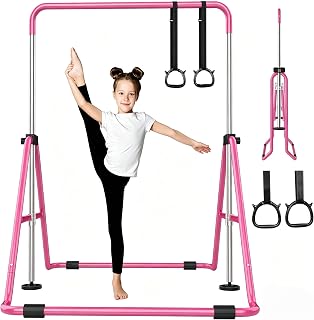


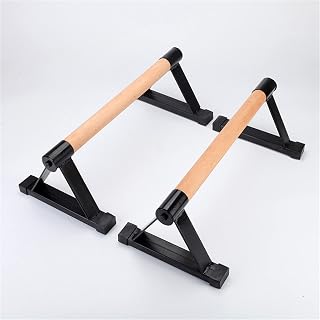


Callisthenics combines strength, flexibility, coordination, balance, dance and expressive movement. The callisthenics ability category is designed around products that can support skill development, practice and participation in this movement-focused activity. Equipment can help performers work on particular techniques while making training sessions more structured and enjoyable.
For Australian families, students, clubs and recreational participants, choosing suitable training equipment starts with understanding how it will be used. A beginner may need simple accessories that encourage fundamental movement and coordination, while an experienced performer may look for equipment that complements more advanced practice. Consider the participant's age, ability, training space and intended activities before choosing an item.
Regular practice can help participants develop body awareness, balance, timing and coordination. Suitable callisthenics accessories can become part of warm-ups, drills, technique sessions and creative routines. They can also provide a practical way to repeat movements outside formal classes when the training environment allows it.
Callisthenics equipment does not need to be complicated to be useful. Beginners can benefit from products that make basic activities easier to practise and understand. Intermediate and advanced participants may prefer equipment that supports precision, repetition and more demanding routines. Selecting products according to current ability can make practice more comfortable and productive.
Training requirements can vary considerably between a dedicated studio, community hall and home environment. Before buying, check the available floor area and storage space. Lightweight or compact accessories can be convenient for home practice, while club environments may accommodate larger or shared equipment. Always follow the manufacturer's instructions and use products only for their intended purpose.
Start by identifying the type of practice the equipment will support. Think about whether the item is intended for flexibility work, coordination exercises, movement drills, performance preparation or general skill development. This approach helps narrow the selection and avoids buying equipment that does not match the participant's needs.
Construction and comfort are also important. Look for appropriate materials, secure finishes and a design that suits the intended activity. For younger participants, adult supervision may be appropriate depending on the equipment and exercise. Check dimensions, recommended age ranges, care instructions and other manufacturer information before use.
Australian shoppers may use callisthenics equipment in a variety of settings, from organised classes to home practice. Local conditions can also influence where and when equipment is used. If practising outdoors, choose an appropriate surface and consider weather conditions. For indoor sessions, make sure there is sufficient clear space around the participant.
Budget is another practical consideration. A higher price does not automatically mean an item is suitable for every performer. Instead, compare the product's features with the intended use, frequency of practice and skill level. A well-matched accessory can offer more value than equipment with features that will rarely be used.
Callisthenics can involve repeated drills, choreography and technique work. Introducing suitable accessories can add variety while helping participants focus on specific skills. Parents and coaches can create simple practice routines that match the participant's current ability and gradually introduce more challenging movements as confidence develops.
Consistency matters more than having a large collection of equipment. A small selection of useful, appropriate accessories can support regular practice without creating unnecessary clutter. Keep equipment clean, inspect it regularly and replace damaged items when necessary. Safe, organised practice helps participants concentrate on developing their movement skills.
When exploring this category, consider who will use the product, where it will be used and which skills the participant wants to practise. Check product specifications carefully and select equipment that matches the intended activity. With thoughtful selection, callisthenics equipment can complement classes, home practice and performance preparation while supporting an enjoyable approach to movement and skill development.
Build confidence, coordination and physical skills with callisthenics ability equipment designed for practice, movement and performance. Whether you are introducing a beginner to callisthenics or supporting regular training, the right equipment can make sessions more engaging and purposeful. Explore options suited to different skill levels, training environments and performance goals for Australian shoppers.