

♥ Wishlist

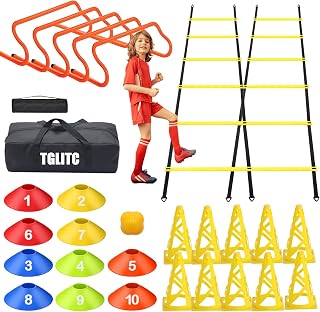


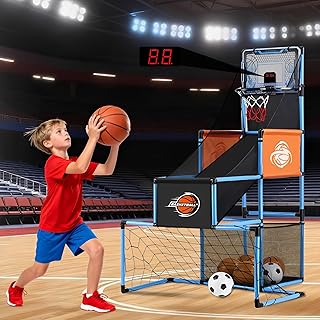


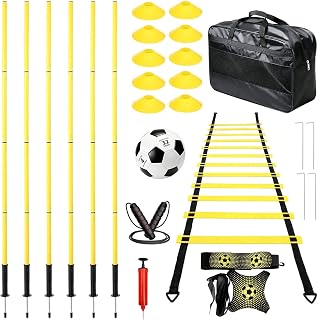


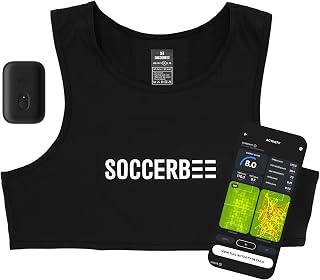
Soccer is played across Australia by children, teenagers, adults, social groups and competitive clubs. Having suitable equipment helps players practise consistently, prepare for matches and enjoy casual games at home or in the park. This soccer category brings together the types of equipment shoppers commonly look for when building or refreshing their football setup.
When choosing soccer gear, consider where and how you play. A junior player training on weekends may need different equipment from an adult competing several times a week. Likewise, home practice has different requirements from club training. Start with the essentials, then add equipment that supports your particular playing routine.
A soccer ball is the foundation of almost every football session. Match-style balls can suit organised games, while durable training balls are useful for repeated practice. When selecting a ball, check its size and construction against the player's age, competition requirements and intended use. Younger players often use smaller footballs, while standard adult play generally uses a full-size ball.
For Australian conditions, also think about the surfaces where the ball will be used. A ball intended for grass may not be the most suitable choice for hard outdoor surfaces or indoor play. Checking the product specifications before purchasing can help you select an option that matches your regular playing environment.
Soccer boots are designed to provide grip and support while players move, turn and accelerate across the playing surface. The appropriate sole configuration depends on whether you play on firm ground, artificial grass, turf or another surface. Fit is equally important, particularly for players who train frequently.
Player protection should also be part of a sensible soccer kit. Shin guards help protect the lower legs during contact and challenges. Socks, goalkeeper gloves and other accessories can complete a playing setup depending on the player's position and requirements.
Training equipment can turn an open space into a more structured practice area. Cones and markers can help create drills, boundaries and movement patterns. Training hurdles, agility equipment and rebound products can support exercises focused on coordination, speed and ball control.
Portable goals are particularly useful for backyard practice, community fields and informal games. Before choosing a goal, check its dimensions, frame construction, portability and suitability for the intended playing area. A compact design can be convenient for families who need to pack equipment away after training.
Australian families often need soccer equipment that can accommodate changing player needs. Children can progress through different ball sizes, footwear requirements and protective equipment as they grow. Look for clearly stated sizing information and compare measurements with the manufacturer's guidance before ordering.
Adults may prioritise durability, fit and equipment suited to frequent training. Recreational players can focus on versatile products that work for casual games and practice sessions. Coaches may instead need larger quantities of cones, markers, balls and portable goals for group activities.
Online shopping makes it easier to compare different types of soccer equipment before making a purchase. Review product descriptions carefully and check dimensions, materials, sizing, recommended surfaces and included components. For footwear and protective products, accurate sizing deserves particular attention.
It is also useful to consider how frequently the equipment will be used. Regular club training can place greater demands on balls, boots and accessories than occasional recreational play. A product that matches your usage pattern can provide a more practical long-term choice.
A basic player kit can include a suitable soccer ball, boots, shin guards, socks and appropriate clothing. Training sessions may benefit from cones, markers, agility equipment and a portable goal. Goalkeepers have additional requirements, including gloves and goalkeeper-specific equipment.
Whether you are preparing for a new season, supporting a junior player or setting up a home practice area, focus on the equipment that directly supports your needs. Choosing compatible, correctly sized and purpose-appropriate products helps create a more useful soccer setup.
Australia offers a wide variety of playing environments, from local grass pitches and club grounds to artificial surfaces, indoor venues and backyard spaces. Consider the surface, climate, storage requirements and frequency of use when comparing products. For outdoor equipment, practical features such as portability and easy storage can be especially valuable.
Explore the soccer category to compare equipment for training, matches and recreational football. By matching each product to the player's age, playing surface, skill level and frequency of use, Australian shoppers can create a soccer setup that works for their individual needs.