
♥ Wishlist






Water filters provide a convenient way to improve the taste and overall drinking experience of water. Different filtration systems are designed for different applications, so Australian shoppers should consider how much water they use, where the filter will be installed and which contaminants or water-quality concerns they want to address. A suitable filter can make filtered water easy to access without changing everyday routines.
When comparing water filters Australia shoppers should look beyond price alone. Filter type, capacity, replacement requirements, installation method and compatibility can all affect long-term value. Some products are designed for simple countertop or jug use, while others integrate with a kitchen tap or plumbing system. Understanding these differences helps you choose a filtration solution that matches your home and lifestyle.
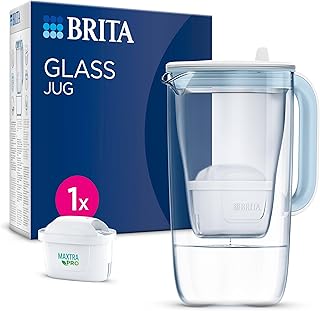
Water filtration products come in several formats. Water filter jugs are popular for their straightforward setup and portability. They can suit smaller households, rented properties and people who want filtered water without permanent installation. Countertop systems offer another convenient option when you want a dedicated filtration unit without undertaking extensive plumbing changes.
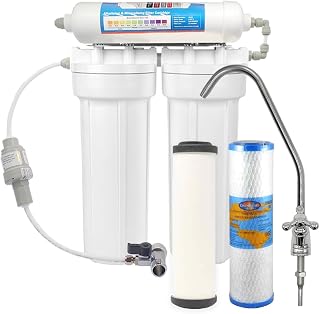
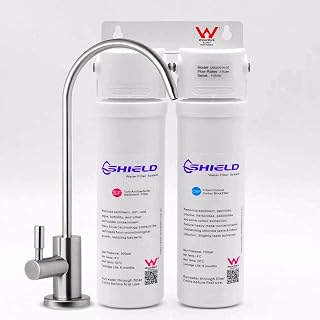
Under-sink water filters are designed to sit discreetly beneath the kitchen sink and can provide filtered water through a compatible outlet or tap. These systems can be useful for households that drink filtered water regularly. Tap-mounted filters attach directly to compatible taps and provide a simple alternative where installation space is limited. Whole-house filtration systems serve a different purpose by treating water at a broader household level.
Different filters use different technologies and materials. Activated carbon filtration is commonly used to improve taste and odour and may reduce certain substances depending on the product design. Other systems can combine multiple filtration stages to target a broader range of water-quality concerns. Reverse osmosis systems use a membrane-based process and are often selected by shoppers seeking more extensive filtration.
Not every filter removes the same substances. Before purchasing, check the manufacturer's specifications for the contaminants the particular model is designed to reduce. Certification or independent testing information can also help when comparing filtration performance. A filter should be selected according to the intended use rather than based solely on the number of filtration stages or marketing claims.
Filter capacity is an important consideration for Australian households. A smaller filter may work well for occasional use, while families or workplaces with higher consumption may benefit from a higher-capacity solution. Check the stated cartridge life and replacement interval before buying so you can estimate ongoing maintenance requirements.
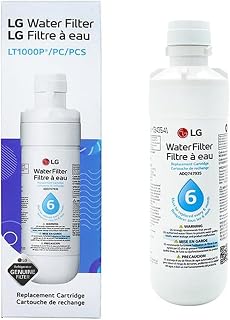
Replacement cartridges are a normal part of using many filtration systems. Filters become less effective as their capacity is reached, so following the recommended replacement schedule is important. Keep track of usage or replacement dates where appropriate. If a product includes an indicator or monitoring feature, use it according to the manufacturer's instructions.
Check the available space, connection type and installation requirements before choosing a filter. Tap-mounted and under-sink systems may require specific fittings or compatible taps. If plumbing work is required, consider whether professional installation is appropriate for your setup. Portable options can provide greater flexibility where permanent installation is not suitable.
Think about how much filtered water your household consumes each day. A product with a small capacity may require frequent refilling, while a larger system can be more convenient for regular family use. Your expected consumption should therefore influence both filter size and cartridge capacity.
The purchase price is only one part of the overall cost. Replacement cartridges, installation components and maintenance can contribute to long-term expenses. Comparing cartridge life and replacement availability alongside the initial price can give you a clearer picture of ongoing value.
Australian homes can have different water-quality characteristics depending on location and supply. For that reason, there is no single filtration product that suits every household. Consider your local water supply, intended filtration purpose and product specifications before making a decision. If you have a specific concern about water quality, consult your local water authority or an appropriately qualified professional for relevant information.
For everyday drinking, cooking and beverage preparation, filtered water can be a practical addition to a kitchen routine. Choosing a suitable system can also make it easier to keep filtered water readily available. From compact options for smaller spaces to more comprehensive household solutions, the right category choice depends on your individual requirements.
Start by identifying where you want filtered water and how frequently you expect to use it. Then compare filtration technology, capacity, installation method, cartridge life and compatibility. This approach makes it easier to narrow down the available options and select a product that works with your household routine.
Whether you are replacing an existing cartridge-based system or looking for a new filtration solution, paying attention to specifications can help you shop with greater confidence. Explore the water filters category to compare suitable filtration options for Australian homes, kitchens and everyday drinking needs.
Make everyday drinking water more convenient with the right water filters in Australia. Water filtration products can help reduce unwanted tastes, odours and selected impurities while providing a practical option for households, kitchens, workplaces and other everyday settings. Whether you need a compact filter for drinking water or a larger filtration solution for regular household use, choosing the right type starts with understanding your water, installation requirements and expected usage.