

♥ Wishlist
Compare 51 verified Netball Equipment for Players, Training & Game Day products in Australia. Reviews, ratings, pros, cons and buying advice updated for October 2026.


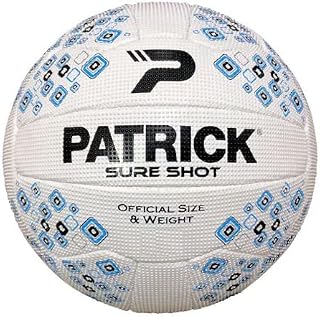



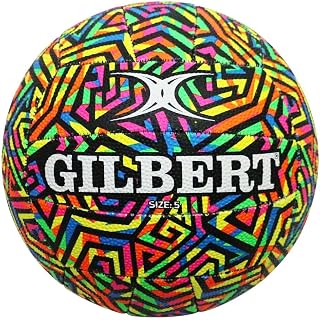


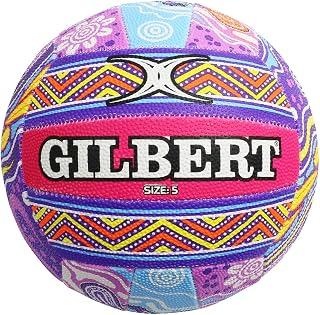


Choosing the best netball products is about matching equipment to the way you actually play, rather than simply selecting the most expensive or most popular option. A social player who takes part in one indoor game each week may have very different requirements from a representative athlete training several times a week. Age, playing position, court surface, frequency of use, fit, durability, weather exposure and personal comfort can all influence the right choice.
For Australian buyers, it is also worth considering whether equipment will be used on outdoor hard courts, indoor courts, school courts or mixed surfaces. Australia's climate can add another consideration: products that regularly experience heat, direct sunlight, dust, moisture or outdoor storage can require more careful material selection and maintenance.
This buying guide is designed to help compare netball shoes, balls, clothing, bags, training equipment, protective accessories and other useful netball products. Rather than treating every product as interchangeable, consider the specific job each item needs to perform and compare its specifications accordingly.
A quality netball product should be appropriate for its intended use, comfortable enough for repeated sessions and sufficiently durable for the conditions in which it will be used. The best option is therefore not necessarily the product with the longest feature list. It is the product whose construction, dimensions, materials and design make sense for your particular requirements.
Netball places different demands on footwear from ordinary walking or straight-line running. Players repeatedly accelerate, stop, land, pivot and move laterally. That makes stability, traction, fit and controlled cushioning particularly important when comparing netball shoes.
A common buying mistake is assuming that a running shoe is automatically suitable for netball because it is comfortable for jogging. Running footwear is primarily designed around forward movement, whereas netball involves frequent multi-directional movement and rapid changes of direction.
Dedicated netball shoes commonly place greater emphasis on lateral stability, court grip and a stable platform. The exact construction varies between models, so buyers should examine the outsole pattern, midsole design, upper reinforcement, width options and intended playing surface.
Grip should be considered in relation to the court rather than as an isolated specification. Indoor and outdoor courts can have substantially different surfaces, and an outsole that feels appropriate in one environment may not deliver the same feel in another.
Look for a court-appropriate outsole and check the manufacturer's stated surface suitability before buying. If you play both indoor and outdoor netball, consider whether one pair can reasonably handle both environments or whether separate footwear is more practical.
For netball, lateral support can be more relevant than the exceptionally soft cushioning often associated with running shoes. A stable base can help the foot remain controlled during side-to-side movement and abrupt changes of direction.
Pay attention to the width of the platform, heel structure, upper reinforcement and how securely the shoe holds the midfoot. Players who frequently change direction should place stability and secure fit high on their comparison list.
Cushioning should provide comfort without making the shoe feel excessively unstable. Netball involves repeated jumping and landing, so some players may prefer a shoe that balances impact absorption with a firm, responsive feel.
Do not choose cushioning solely by how soft a shoe feels when standing in a store. A very soft sensation is not automatically better for court movement. The overall combination of cushioning, stability and fit matters more.
Foot shape differs considerably between individuals. Check whether a shoe is available in different widths and consult the manufacturer's sizing information before purchasing. Allow enough room for natural toe movement without allowing the foot to slide inside the shoe.
If you use specialist netball socks, try footwear with the same type of socks you normally wear during games. This can produce a more realistic fit than testing the shoe with thin everyday socks.
Do not assume that a particular gender label tells you everything about fit. The actual last shape, width, sizing system and available sizes are more useful when comparing footwear. Children's footwear requires additional attention because growing feet can change size relatively quickly.
For junior players, avoid buying an excessively large shoe simply to extend its useful life. Excess movement inside the shoe can compromise comfort and control. Check the manufacturer's fitting guidance and reassess sizing as the child grows.
The ball is one of the few pieces of equipment that directly affects passing, catching, shooting and training drills, so choosing the correct size and construction is important.
Use the appropriate ball size for the player's age group, competition or training requirements. Size should not be selected purely because a particular ball feels comfortable. If the player competes under organised rules, check the relevant competition requirements before buying.
The outer material influences how the ball feels in the hands. Players should consider grip, consistency and suitability for the intended environment. An outdoor training ball may experience considerably more dirt and abrasion than a ball reserved for indoor sessions.
A good netball should maintain a consistent shape and predictable response when properly inflated. When comparing balls, examine the manufacturer's construction information and intended use rather than relying exclusively on appearance.
Use the inflation pressure specified by the manufacturer or relevant competition rules. Overinflation can alter the feel and rebound characteristics, while insufficient inflation can make passing and shooting less predictable.
Keep a suitable pump and pressure gauge with frequently used equipment. Checking pressure periodically is more reliable than judging inflation only by squeezing the ball.
Netball clothing needs to allow unrestricted movement while remaining comfortable during repeated acceleration, jumping and changes of direction. The best clothing choice depends on the season, playing environment and competition requirements.
For training, prioritise freedom of movement, breathable construction and easy care. Lightweight synthetic fabrics can be practical for frequent sessions because they are commonly designed around moisture management and quick drying.
Competition clothing should always comply with the rules and uniform requirements of the relevant club, school, association or competition. Check permitted colours, numbering, logos and garment requirements before purchasing a complete match outfit.
Australian winter conditions vary considerably between regions. Players training outdoors may benefit from lightweight layers that can be removed as the session progresses. Avoid bulky garments that interfere with throwing, catching or movement.
Socks are easy to overlook, but they can affect how footwear feels during a match. Compare thickness, cushioning, breathability and the security of the fit.
There is no universal sock thickness that suits every player. The correct thickness is the one that works comfortably with the chosen shoe without making the fit too tight.
A netball bag should accommodate the equipment you actually carry. A compact bag may be ideal for a player who only needs shoes, clothing and a ball, while a larger team or tournament bag may need to hold several layers, drink bottles, accessories and personal items.
Popular sporting brands such as Gilbert and ASICS offer products across different areas of the netball market, but brand recognition should not replace specification checking. Compare dimensions, materials, capacity and intended use for the individual product.
Training equipment can be useful when it solves a specific practice problem. You do not need every available accessory. Instead, identify the skill you want to improve and choose equipment that supports a repeatable drill.
Cones are among the most versatile training accessories. They can mark passing lanes, movement patterns, landing zones, footwork drills and court positions. Look for highly visible colours and a construction that can tolerate repeated handling.
Agility ladders, marker discs and similar equipment can help structure footwork exercises. The useful feature is not the number of accessories included but whether the equipment can be arranged for the movements you actually practise.
Training bibs are useful for identifying positions or teams during drills. Select lightweight material and a size that allows comfortable movement over normal training clothing.
Rebounders and passing aids can be valuable when training without a full group. Before purchasing, check the dimensions, adjustability, stability and intended ball type. A compact product may be easier to store, while a larger frame may offer a wider training area.
Some accessories are inexpensive but useful because they solve practical problems around training and competition.
Buy accessories according to actual usage. A player who trains once a week does not necessarily need the same equipment loadout as an athlete attending multiple sessions and tournaments.
The playing surface should influence equipment selection. Outdoor courts can expose footwear and balls to dust, grit, moisture and temperature changes, while indoor courts can place different demands on traction and outsole behaviour.
Outdoor players should consider outsole durability, cleaning requirements and resistance to environmental exposure. Keep outdoor footwear and equipment clean, and avoid leaving sports gear in direct sunlight or excessive heat for extended periods.
Indoor players should pay particular attention to court-specific grip and outsole suitability. Check whether footwear is intended for the relevant court surface and whether the sole is appropriate for indoor use.
If you regularly alternate between indoor and outdoor courts, do not automatically assume that one pair of shoes is ideal for everything. Compare the manufacturer's intended surface use and consider whether a second pair would provide better performance and preserve the life of the primary pair.
Materials affect weight, flexibility, durability, breathability and maintenance. Understanding the basic differences makes product specifications easier to interpret.
Synthetic materials are commonly used where manufacturers want reinforcement, structure and durability. They may be particularly useful around areas that experience repeated contact or abrasion.
Mesh can improve airflow and reduce weight, but the overall durability depends on the construction and reinforcement around it. Examine the complete upper rather than assuming that more mesh automatically means a better shoe.
Rubber is widely used for sports outsoles because it can provide traction and durability. The rubber compound, tread pattern, thickness and court compatibility all influence performance.
Foam materials are commonly used for cushioning and underfoot comfort. Compare the manufacturer's stated cushioning technology with the overall stability of the shoe rather than judging the product solely by softness.
When comparing a shortlist, use the same criteria for every product. This prevents a product with impressive marketing language from receiving an unfair advantage over a simpler option with better specifications.
The cheapest option is not always the best value, particularly when a product will be used several times every week. At the same time, paying more does not automatically guarantee a better fit or more useful features.
Colour and design can be important preferences, but they should come after fit, stability, grip and suitability for the court. A visually appealing shoe that does not fit correctly is unlikely to be a good purchase.
Length alone does not determine footwear fit. Players with wider or narrower feet should investigate width options and the manufacturer's fitting guidance.
Inspect the outsole, upper, cushioning and overall structure periodically. Visible wear, loss of traction, damaged reinforcement or a changed underfoot feel can indicate that footwear needs replacement.
This is especially common with junior players. Excessively oversized footwear can affect comfort and movement. Allow for normal growth within sensible fitting limits rather than purchasing a shoe that is substantially too large.
Clubs, schools, associations and competitions may have their own requirements for uniforms and equipment. Confirm those requirements before buying specialist match-day products.
Product specifications can appear complicated, but several fields are particularly useful during comparison.
Beginners do not need to purchase an extensive collection of specialist equipment immediately. Start with the products required to participate comfortably and safely, then add training accessories as your playing routine develops.
Brands such as ASICS and Gilbert have strong recognition in sporting and netball equipment categories, but beginners should still compare individual products rather than choosing a brand solely because it is familiar.
Competitive players typically benefit from a more deliberate equipment strategy. Repeated training and competition increase the importance of fit, durability, replacement planning and consistency.
Consider having suitable training and match footwear where appropriate, spare socks and clothing, a reliable ball, equipment storage, and replacement accessories for items that are regularly worn or lost. Keep a record of when high-use footwear and equipment were purchased so that deterioration is easier to identify.
Children need equipment that supports participation without unnecessarily restricting movement. Footwear fit is particularly important because junior players may change size quickly.
For growing athletes, compare current foot measurements with the manufacturer's size chart rather than relying on a previous shoe size. Also consider the player's development stage, training frequency and whether the product is intended for junior competition or casual use.
Proper maintenance can help preserve footwear, although no cleaning routine can prevent normal wear indefinitely.
Washing methods vary by construction, so the manufacturer's care instructions should take priority over generic cleaning advice.
Store the ball away from unnecessary heat, prolonged direct sunlight, sharp objects and abrasive surfaces. Clean it according to the manufacturer's instructions and maintain the recommended inflation pressure.
Do not use a ball for surfaces or conditions for which it was not intended. Outdoor use can produce more visible wear than indoor use, particularly when the ball repeatedly contacts rough surfaces.
Follow garment care labels carefully, particularly when clothing contains printed numbers, logos or specialised fabric treatments. Avoid leaving sweaty clothing inside a closed bag for extended periods.
Sports bags should also be emptied and aired regularly. Wipe the interior and exterior according to the material's care instructions, paying particular attention to the base if the bag is regularly placed on outdoor courts or damp surfaces.
There is no single correct budget for netball equipment. A sensible approach is to spend more attention and money on products that have the greatest impact on your regular participation.
For most players, footwear deserves careful comparison because it is repeatedly exposed to high levels of movement and court contact. A recreational player may have little need for premium training equipment, whereas a competitive athlete may find durable, purpose-built accessories more worthwhile.
Instead of asking whether an item is expensive or cheap, ask whether its features solve a genuine problem. Compare specifications across several products and check current prices from reputable Australian retailers before making a purchase.
Value should consider the relationship between suitability, durability and expected use. A product that costs more but is substantially better suited to frequent use may provide better practical value than an inexpensive product that needs early replacement. Conversely, premium features can be unnecessary for occasional social play.
When reading customer reviews, look for recurring comments rather than giving too much weight to one extremely positive or negative opinion. Pay particular attention to comments about sizing, durability, comfort, material quality and whether the product performs as described.
Online shopping makes comparison easier, but product pages can change and different sellers may list different versions of the same model. Before placing an order, verify the exact product details.
Customer reviews can provide useful information that specifications do not always reveal, especially for fit and everyday usability. However, reviews should be interpreted carefully.
For footwear, separate comments about personal foot shape from genuine construction problems. For balls, look for recurring observations about grip, shape retention and durability. For bags, examine comments about zippers, compartments, capacity and strap comfort. For clothing, sizing consistency and fabric feel can be more useful than general star ratings.
Verified customer reviews are most useful when several reviewers independently report similar characteristics. Always compare review dates and confirm that the reviews relate to the exact model or variant being considered.
A practical kit can be divided into essential equipment, comfort items and optional training accessories.
Different players should approach the shortlist differently. The following categories provide a more useful way to interpret a top-10 buying guide than assuming one product is universally best.
Replacement should be based on condition and performance rather than an arbitrary calendar date. Footwear should be inspected for outsole wear, damaged uppers, reduced support and changes in comfort. Balls should be checked for damage, abnormal shape and difficulty maintaining appropriate inflation.
Bags should be replaced when structural damage affects safe or practical carrying, while clothing can generally be assessed for fabric deterioration, damaged seams, stretched elastic or competition compliance.
Sports equipment should be selected and used according to the manufacturer's instructions and the rules of the relevant competition. Proper equipment cannot eliminate the risk of injury, and footwear is only one part of a player's overall preparation.
If persistent pain, unusual discomfort or a significant change in movement occurs, seek advice from an appropriately qualified health or sports professional rather than attempting to solve the issue solely by changing equipment.
One of the simplest ways to reduce unnecessary spending is to identify your actual priorities before shopping. Write down the two or three characteristics that matter most, such as stability, wide fit, durability, portability or comfort. Then compare products against those requirements.
Avoid paying extra for features that do not address your needs. Equally, do not compromise on an essential characteristic simply because another product is cheaper. The right purchase is the one that balances performance, fit, durability and cost for your particular level of play.
Because product ranges, model names, specifications and prices can change, comparison information should be checked before purchase. A useful 2026 buying process is to verify the current manufacturer specification, confirm Australian sizing, compare reputable retailers, read recent verified customer feedback and check the exact product variant.
Price should also be treated as a current variable rather than a permanent product characteristic. Sale periods, colour variants, sizes and retailer promotions can change the price of the same product, so check today's price before making a final decision.
There is no single best netball product for every Australian player. The right choice depends on whether you need footwear, a ball, clothing, a bag or training equipment, as well as your playing level, court surface, fit requirements and budget.
The best netball shoes are those that provide an appropriate combination of fit, lateral stability, court traction, cushioning and durability for your playing environment. Compare the exact model specifications rather than selecting solely by brand or appearance.
Purpose-designed netball shoes are generally the more appropriate choice for netball because the sport involves frequent lateral movement, stopping, pivoting and jumping. Running shoes are designed primarily around forward running and may not provide the same court-specific characteristics.
Recognised sporting brands such as ASICS and Gilbert have established netball product ranges, but brand reputation should not be the only deciding factor. Compare the individual product's specifications, fit, intended use and current customer feedback.
Beginners should normally start with suitable footwear, appropriate clothing, socks, a water bottle and a sports bag. A personal ball and training accessories can be added when they become useful for regular practice.
Choose the size appropriate to the player's age group, competition and training requirements. If the ball will be used in organised competition, check the applicable rules before purchasing.
There is no universal replacement interval. Inspect the outsole, upper, cushioning and overall support regularly. Frequency of use, playing surface, body weight, movement pattern and maintenance can all affect how quickly footwear wears.
They may be comfortable for occasional casual use, but purpose-built footwear should generally be used for its intended sporting activity. Regular walking and everyday use can also add unnecessary wear to footwear that is better reserved for court sessions.
Consider capacity, compartments, ventilation, strap comfort, material durability and whether the bag can carry your ball and footwear without creating unnecessary bulk.
Start with correct sizing and age suitability. For footwear, measure the child's feet and compare them with the manufacturer's current size chart. Avoid buying substantially oversized footwear simply to extend its lifespan.
Premium equipment can be worthwhile when its additional features match your needs and frequency of use. For occasional social players, a well-specified mid-range product may offer better value than paying for features that will rarely be used.
The best netball products in Australia are not defined by one universal ranking. They are defined by how well they match the player's needs, playing surface, frequency of use, fit requirements and budget. A careful comparison should consider construction, materials, dimensions, sizing, grip, stability, durability, maintenance and verified customer feedback.
Before purchasing, confirm the current product specification and exact model, compare today's prices from reputable Australian retailers, read recent verified reviews and check any competition-specific requirements. This approach is more reliable than choosing an item simply because it has a high rating, a familiar brand name or an attractive appearance.
For an independent buying decision, treat a top-10 list as a shortlist rather than an instruction to buy the first-ranked product. The strongest choice is the one that satisfies your most important requirements while providing an appropriate balance of performance, comfort, durability and overall value.