

♥ Wishlist
Compare 56 verified Martial Arts Equipment for Training in Australia products in Australia. Reviews, ratings, pros, cons and buying advice updated for October 2026.






Choosing martial arts equipment is less about buying the largest collection of gear and more about matching each item to the discipline, training environment, experience level and frequency of use. A beginner practising boxing will have different requirements from someone training in Brazilian jiu-jitsu, Muay Thai, karate, taekwondo, judo or mixed martial arts. Equipment that works well for striking may be unsuitable for grappling, while protective equipment designed for sparring may be unnecessary for light technical drills.
This Australia-focused buying guide is designed to help compare the most important martial arts products and understand the specifications that matter before purchasing. The strongest choices generally balance protection, fit, durability, comfort, ease of cleaning and suitability for the intended training style rather than relying on a single rating or a low headline price.
Popular established brands such as Fairtex, Venum, Hayabusa, adidas, Everlast, Century, Sanabul and RDX offer equipment across different martial arts categories. However, brand recognition should be treated as one comparison factor rather than a substitute for checking the exact model, materials, dimensions, closure system and intended use.
The phrase “martial arts products” covers a very broad range of equipment. Before comparing individual products, identify which category you actually need. This prevents spending money on equipment that does not suit your training.
The first buying question should always be: what martial art will this equipment be used for? Boxing gloves, Muay Thai gloves and MMA gloves are not interchangeable simply because all three are used for striking.
Boxers generally need equipment that supports repeated punching. Muay Thai practitioners may need greater versatility for punches, kicks, elbows, pads and clinching. MMA athletes need equipment that accommodates transitions between striking and grappling. Brazilian jiu-jitsu practitioners usually prioritise freedom of movement, abrasion resistance and secure-fitting clothing rather than heavily padded striking equipment.
Rules can also vary between gyms, organisations and competition formats. A product suitable for general training may not meet the requirements of a particular competition. Check your instructor’s equipment requirements before purchasing specialised gear.
Training once a week does not place the same demands on equipment as training several times every week. Frequent use increases the importance of durable stitching, robust materials, reliable closures, ventilation and easy cleaning.
For regular training, spending slightly more on an appropriately constructed product can make sense if it improves fit, durability or hygiene. That does not mean the most expensive product is automatically the best choice. The useful comparison is between construction quality and your actual workload.
Martial arts equipment needs to stay correctly positioned while you move. Attractive colours, graphics and brand designs are secondary to fit.
Gloves that are too loose can shift during training, while excessively tight equipment can restrict movement or become uncomfortable. Shin guards should remain properly positioned during kicking and movement. Rash guards should be close-fitting without creating unnecessary restriction. A martial arts uniform should allow the movements required by the discipline without becoming excessively loose or cumbersome.
Do not assume that a particular size means exactly the same thing across brands. A medium in one product line can have different measurements from a medium in another.
Use the manufacturer's size chart whenever one is provided. For gloves and protective equipment, also check whether sizing is based on body weight, hand circumference, age, measurements or a combination of factors. When two measurements suggest different sizes, the manufacturer's guidance should take priority over generic assumptions.
Glove weight is one of the most important specifications when comparing boxing and striking gloves. Heavier gloves generally provide more padding and are often selected for controlled training or sparring, while lighter gloves can be appropriate for certain forms of pad work, technical work or competition depending on the rules.
Do not select glove weight solely according to personal preference. Your coach or gym may specify the weight required for sparring. Competition rules can also dictate glove specifications, so training gloves should not automatically be assumed to be competition legal.
Padding determines how a glove distributes impact. Foam construction, density and layering can all influence how the glove feels and performs over time.
A product with substantial padding is not necessarily better for every purpose. Sparring equipment needs to be appropriate for the safety of both participants, while bag gloves may be designed around a different training objective. Look for equipment clearly labelled for its intended use instead of assuming that one glove can perform every job equally well.
Genuine leather is commonly associated with premium martial arts gloves and can offer a durable exterior when maintained correctly. Synthetic materials can provide a lower-maintenance alternative and are available in a wide range of price points.
Material alone does not determine quality. Stitching, foam construction, wrist support, lining, closure design and manufacturing consistency all influence the useful life of a glove.
Hook-and-loop gloves are convenient for solo training because they can normally be put on and removed without assistance. Lace-up gloves can provide a highly secure fit but are less convenient when you need to change equipment without help.
For everyday home or gym training, convenience can be an important factor. For formal sparring or competition environments, follow the rules and preferences of the relevant coach or organisation.
Hand wraps are inexpensive compared with many other martial arts products, but they should not be treated as an optional accessory when your training programme calls for them. They help create a supportive layer around the hands and wrists and provide a barrier between your skin and the inside of your gloves.
Common considerations include length, material, elasticity, fastening method and washing instructions. Longer wraps can provide more coverage, while elastic or semi-elastic materials may feel different from traditional woven wraps.
Buy at least enough pairs to allow clean wraps to be used regularly. Washing them after training and allowing them to dry thoroughly helps prevent persistent odours and moisture accumulation.
Shin guards should stay secure while you kick, check kicks, move around the training area and practise combinations. A guard that rotates excessively can reduce coverage and become distracting.
Compare how much of the shin, instep and surrounding area is protected. More coverage can be beneficial for particular training styles, but additional material can also affect weight and mobility.
Some shin guards use hook-and-loop straps, while others combine straps with elastic sections. Examine how the guard is secured around the calf and foot. The objective is a stable fit without excessive pressure.
Padding should be suitable for the intensity of training. Extremely soft equipment is not necessarily the ideal option for every drill, while very rigid protection can alter movement and comfort. The best choice depends on the training environment and the guidance of your instructor.
Head guards can be useful in training environments where controlled sparring takes place, but they should not be viewed as making contact training risk-free. Their coverage, padding and visibility characteristics differ between designs.
When comparing head guards, examine the coverage around the cheeks, forehead, ears and back of the head, along with the degree of peripheral vision available. A secure adjustment system is important because protective equipment should not shift excessively during movement.
Some martial arts gyms have specific requirements for sparring equipment. Always check those requirements before choosing a head guard based solely on appearance or price.
A mouthguard should fit securely and remain comfortable enough to use throughout training. Poor fit can make breathing, speaking and concentration more difficult.
Boil-and-bite mouthguards are commonly selected because they can be moulded to the user's teeth according to the manufacturer's instructions. Custom mouthguards made by dental professionals are a separate category and may provide a more individually fitted solution.
Replace a mouthguard when it becomes damaged, excessively worn or no longer fits properly. Follow the manufacturer's cleaning and storage instructions rather than exposing it unnecessarily to high heat or harsh chemicals.
MMA gloves and boxing gloves are designed for different purposes. Boxing gloves surround the hand with substantially more padding and are built around closed-fist punching. MMA gloves generally expose more of the fingers to facilitate grappling and have a different overall construction.
For MMA training, check whether your gym expects a particular glove type for sparring, bag work and grappling drills. Using one glove for every training activity may not provide the ideal combination of protection, dexterity and hygiene.
For gi-based Brazilian jiu-jitsu, compare fabric weight, weave, stitching, collar construction and sizing. Lighter fabrics can feel more comfortable in hot conditions, while heavier constructions may offer different durability characteristics.
Shrinkage is an important consideration when buying a cotton gi. Follow the manufacturer's washing and drying instructions and check whether the sizing is intended to accommodate shrinkage.
Rash guards should fit closely enough to remain in place during grappling without restricting normal movement. Flat or low-profile seams can improve comfort during extended sessions, while durable fabric helps resist repeated friction.
For no-gi Brazilian jiu-jitsu and MMA, also check whether the gym or competition organisation has clothing requirements. A product that works for ordinary training may not necessarily meet competition rules.
Look for secure waistbands, durable construction and freedom of movement. Avoid unnecessary external features that can catch during grappling. Some disciplines or gyms may have specific expectations regarding logos, pockets or fasteners.
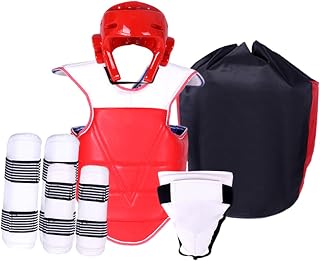
Traditional martial arts have equipment requirements that can differ substantially from combat sports. Karate practitioners may need a gi, belt and discipline-specific protective equipment, while taekwondo commonly involves equipment for kicks and controlled sparring.
Before purchasing protective equipment, identify whether you train under a particular ruleset. Chest protectors, head protection, shin protection, forearm protection and foot protection can vary according to the organisation and level of competition.
Uniform weight and cut can also matter. Beginners may prioritise comfort and affordability, while frequent practitioners may place greater emphasis on fabric quality, reinforced stitching and how the uniform behaves after repeated washing.
Judo places substantial demands on the uniform because gripping and throwing are fundamental parts of training. A judo gi therefore needs to withstand repeated pulling, gripping and movement.
When comparing judo uniforms, examine the fabric construction, jacket reinforcement, trouser construction and sizing. A gi that looks appropriate on a product page may still be unsuitable if the measurements do not correspond with your body proportions.
Because washing frequency can be high, maintenance instructions should form part of the buying decision. Consider how easily the uniform can be cleaned, dried and stored between sessions.
Beginners often make the mistake of buying an entire collection of equipment before understanding what their training programme actually requires. A better approach is to start with the items required by your instructor and add equipment as your training develops.
Home training equipment needs to be evaluated differently from equipment used exclusively at a martial arts club. Space, noise, flooring, ceiling height and installation requirements can all affect whether a product is practical.
A heavy bag, for example, requires an appropriate mounting solution and enough clearance for safe movement. A freestanding training product may be easier to install but still requires adequate floor space and stability. Before buying large equipment, measure the intended training area rather than estimating from product photographs.
Skipping ropes, hand wraps, focus mitts, resistance equipment and mobility accessories can be easier to accommodate in smaller spaces. However, training intensity should remain appropriate for the available environment and equipment.
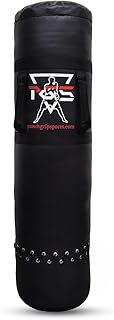
When comparing a heavy bag, examine its dimensions, weight, filling, outer material, hanging system and intended training purpose. Bag weight affects movement and resistance, while size influences the available striking surface.
Construction quality matters because heavy bags experience repeated impacts. Inspect stitching, seams, attachment points and the quality of the outer covering. If the product is intended for a home, consider whether the mounting system is appropriate for the structure where it will be installed.
Do not install a hanging bag into an unsuitable surface simply because the product appears easy to mount. The mounting hardware and structural support should be appropriate for the bag and the building.
Focus mitts are useful for partner-based striking drills. Important characteristics include padding density, wrist support, grip design, surface durability and overall size.
Kick pads need to provide enough target area and padding for the techniques being practised. Larger pads can be useful for certain kicks and combinations, while smaller targets may demand greater precision.
The person holding the equipment is also part of the safety equation. Proper technique, appropriate distance and controlled power matter just as much as the equipment itself.
A skipping rope is a relatively simple piece of equipment, but length and handle design can make a noticeable difference. The rope should be appropriate for your height and intended skipping style.
Consider whether you train primarily on mats, rubber flooring, timber, concrete or another surface. Rope material and durability should be compatible with the environment, while adequate clearance is essential for safe training.
Adjustable ropes can be useful for households where more than one person trains. Speed-focused designs may feel very different from heavier conditioning ropes, so choose according to your training objective.
Leather can offer a durable and familiar material choice for gloves and other equipment. It normally requires sensible care to prevent excessive moisture and deterioration.
Synthetic leather and polyurethane-based materials are widely used in martial arts equipment. They can offer consistent manufacturing and easier maintenance at various price points.
Cotton is common in martial arts uniforms because of its comfort and traditional feel. Shrinkage and drying requirements should be considered before purchase.
Technical synthetic fabrics are common in rash guards, training shirts and some protective clothing. They can offer useful moisture-management and quick-drying characteristics, although exact performance depends on the fabric construction.
Two products made from the same broad material can have very different lifespans. When comparing durability, inspect the complete construction rather than focusing on a label such as “leather” or “synthetic”.
Comfort becomes increasingly important as training sessions become longer or more frequent. Equipment that feels acceptable for ten minutes may become distracting during a full class.
Look for appropriate ventilation in products where heat and perspiration accumulate. Gloves, head guards and protective equipment can become damp during training, making drying and hygiene particularly important.
Comfort should never be achieved by sacrificing the required level of protection. The objective is equipment that fits securely, performs its intended role and can be worn consistently.
Martial arts equipment regularly comes into contact with sweat, skin and shared training environments. Cleaning and drying should therefore be considered before purchase rather than after the first unpleasant odour appears.
The cheapest product can be a false economy if it does not fit properly, deteriorates quickly or needs to be replaced sooner than expected. At the same time, a premium price does not automatically prove superior performance. Compare construction, fit, intended use and maintenance requirements.
Incorrect sizing is one of the easiest ways to turn an otherwise suitable product into an unsuitable purchase. Always check the current manufacturer's measurements.
Bag work, sparring, competition and technical drilling can require different equipment. Trying to make one product perform every role can result in compromises in protection, comfort or dexterity.
Many martial arts clubs establish their own equipment requirements. Ask before buying specialist gear, particularly if you are preparing for sparring or competition.
Equipment that cannot be cleaned or dried conveniently can become difficult to maintain. Consider the practical routine of using the product several times per week.
When shopping for established brands such as Fairtex, Hayabusa, Venum, adidas, Everlast, Century, Sanabul or RDX, verify the exact product identity and specifications. Unclear product listings, inconsistent descriptions and suspiciously low pricing deserve additional scrutiny.
Customer reviews can provide useful information, but they should be interpreted rather than simply counted. A high average rating does not necessarily mean a product is ideal for your discipline.
Brand names can make initial research easier, but the exact model remains more important than the logo. Fairtex has a strong presence in striking equipment, while Hayabusa offers equipment across several combat-sports categories. Venum covers a broad range of martial arts and combat-sports products, and brands such as adidas, Everlast, Century, Sanabul and RDX also offer products spanning different training requirements.
Rather than asking which brand is universally best, compare the specific product's construction, intended use, sizing, materials, warranty information where applicable, maintenance requirements and current customer feedback. A product from a respected brand can still be the wrong choice if it is designed for a different training purpose.
A sensible equipment budget should be based on training frequency and the equipment required by your discipline. Beginners may not need premium versions of every item immediately, while frequent practitioners can benefit from investing in durable equipment that receives heavy use.
Prioritise essential protective equipment first. Accessories and convenience items can be added later. If your training involves contact, it is generally more sensible to allocate the available budget toward correctly fitted protective equipment than toward cosmetic extras.
When comparing Australian prices, check whether the displayed price includes all applicable costs and whether the product is actually available for delivery to your location. Prices, stock and retailer policies can change, so current retailer information should be checked before purchase.
Australian buyers should consider climate, training environment, shipping conditions and local availability when comparing martial arts equipment. In warmer areas, ventilation and drying can become especially important because gloves, uniforms and protective equipment may accumulate moisture quickly.
For online purchases, verify sizing before ordering because returning an incorrectly sized martial arts product can be inconvenient. Read the retailer's current return conditions and the manufacturer's sizing information before committing to a purchase.
Australian consumers should also distinguish between a product being advertised to Australian customers and a product being physically available from an Australian retailer. Delivery times, shipping costs and return arrangements can differ considerably.
A practical kit depends on your discipline, but a staged approach usually makes more sense than purchasing everything at once.
Start with the equipment your instructor requires, which may include gloves, hand wraps, a mouthguard and appropriate protective equipment. Add shin guards, head protection or other specialised items when your training programme calls for them.
A more complete setup can include suitable gloves, multiple pairs of hand wraps, shin guards, a mouthguard, appropriate protective equipment and training clothing. Having spare wraps can be particularly practical when training frequently.
A gi-based practitioner may need one or more appropriately sized gis, rash guards where permitted, grappling shorts or suitable training clothing and personal hygiene equipment. No-gi training typically changes the clothing requirements.
MMA training often requires a combination of striking and grappling equipment. Depending on the gym, this can include MMA gloves, larger gloves for particular drills, shin protection, a mouthguard, protective equipment and suitable grappling clothing.
Regular inspection is particularly important for equipment that protects against impact. Make a habit of checking gloves, shin guards, head guards, mouthguards and other protective products rather than waiting for visible failure.
There is no single replacement interval that applies to every martial arts product. Usage intensity, construction, maintenance and storage conditions all affect longevity.
Replace equipment when padding becomes significantly compressed or displaced, structural stitching fails, straps can no longer secure the product, materials crack extensively or the equipment no longer fits correctly. Protective equipment deserves particular attention because visible wear can indicate reduced performance.
Do not continue using damaged protective equipment simply because it was expensive. The purpose of protective gear is more important than recovering the original purchase cost.
When two products appear almost identical, compare them in a consistent order rather than choosing based on branding or photographs.
The best starting equipment depends on the martial art and the requirements of the training club. Beginners should normally purchase essential equipment first, focusing on correct fit, appropriate protection, durability and ease of maintenance rather than buying a complete collection immediately.
There is no single brand that is best for every martial art or every athlete. Fairtex, Hayabusa, Venum, adidas, Everlast, Century, Sanabul and RDX all cover different parts of the martial arts market. Compare individual models based on their intended use, specifications, fit and current customer feedback.
Sometimes, but price should be evaluated against construction and use. Someone training several times a week may benefit from durable equipment, while an occasional beginner may not need a premium model. The most expensive option is not automatically the most appropriate.
There is no universal number. One pair may be sufficient for casual training, while regular practitioners may prefer separate gloves for bag work, technical training and sparring when their gym permits or recommends this approach. Follow your coach's requirements.
Both can be suitable. Leather may appeal to buyers prioritising traditional construction and durability, while synthetic materials can offer practical maintenance and different price options. Compare the complete construction rather than choosing solely from the material name.
Glove selection depends on the intended activity, user characteristics and gym or competition rules. Check the manufacturer's sizing guidance and ask your coach what glove weight is expected for your training sessions.
Boxing gloves can be used for some Muay Thai training, but Muay Thai gloves are designed around a broader range of techniques and can provide a different balance of flexibility and hand positioning. If you regularly practise clinching, pad work and Thai-style techniques, compare gloves specifically intended for Muay Thai.
If your training includes controlled kicking, checking or partner drills, your gym may require shin guards. Requirements vary by training environment, so confirm the expected type and level of protection with your instructor.
Follow the manufacturer's care instructions. In general, gloves should be aired out after training and kept as dry as practical. Avoid using cleaning methods that can damage leather, synthetic surfaces, foam or internal lining.
Do not leave damp equipment sealed inside a gym bag. Air it out promptly, clean surfaces according to the manufacturer's instructions and wash removable clothing after training. Adequate drying is particularly important for gloves and protective equipment.
Check the exact model, size chart, materials, intended use, customer feedback, current specifications, delivery conditions and return policy. For competition equipment, also verify the current rules of the relevant organisation.
Not necessarily. Training products and competition-approved products can have different specifications. Always check the current requirements of the governing organisation or event before purchasing equipment specifically for competition.
RDX is an established name in combat-sports equipment, but suitability depends on the exact product. Compare the particular model's construction, sizing, intended training use and current customer feedback instead of evaluating the entire brand as a single category.
Venum produces equipment and apparel across several combat-sports categories. Whether a particular Venum product is suitable depends on the discipline and model, so compare its specifications with alternatives designed for the same training purpose.
Fairtex is widely associated with Muay Thai and striking equipment. Individual products should still be assessed for glove type, sizing, construction, intended training activity and compatibility with your gym's requirements.
The best martial arts product is ultimately the one that matches the activity you actually perform. Start with the discipline, establish what your instructor requires, determine the appropriate size and then compare construction, protection, comfort, durability and maintenance.
For Australian buyers, also consider the practical realities of frequent training: equipment must be easy to dry, suitable for the local training environment and available with clear sizing and retailer information. Before purchasing, compare the latest specifications, read current verified customer feedback and check today's pricing from reputable retailers.
A careful comparison is usually more valuable than simply choosing the product with the highest rating or the biggest brand name. Whether you are buying your first pair of gloves, upgrading protective equipment or assembling a complete training kit, focus on fit, purpose, safety, construction and long-term practicality.