

♥ Wishlist
Compare 52 verified American Football Equipment & Gear products in Australia. Reviews, ratings, pros, cons and buying advice updated for October 2026.








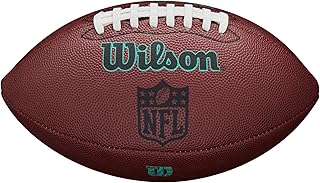


Choosing American football equipment is less about finding the product with the longest feature list and more about matching the equipment to your position, playing level, fit, climate, playing conditions and team requirements. A quarterback has different priorities from a lineman, while a beginner who plays occasionally has different requirements from a competitive player who trains several times each week.
For Australian buyers, the purchasing process also deserves extra attention. American football equipment can be manufactured for different leagues, age groups and playing environments, and sizing conventions are not always intuitive. Before ordering, check the manufacturer's current size chart, the requirements of your club or competition, the exact model year and whether the product is intended for the level of play in which it will be used.
A complete American football setup can include a helmet, shoulder pads, mouthguard, gloves, football pants, integrated girdle or padded compression shorts, socks, cleats and an appropriate football. Depending on position and competition, players may also use arm sleeves, hand warmers, rib protection, back plates, knee or thigh pads, practice jerseys and equipment bags.
A football helmet should be treated as protective equipment rather than an ordinary sports accessory. Fit and certification are fundamental considerations, and a visually impressive helmet is not automatically the right helmet for a particular player.
When comparing football helmets, look for clear information about the applicable safety standard and certification status. NOCSAE maintains football helmet performance standards and distinguishes between standards for newly manufactured helmets and recertified helmets. Its current newly manufactured football helmet specification, ND002-25, became effective in August 2026.
NOCSAE also explains that it develops the performance standards but does not itself certify or approve individual equipment. Certification to NOCSAE standards is handled through an independent third-party certification process.
For Australian buyers, the practical lesson is simple: do not rely on a retailer's generic statement that a helmet is "safe". Check the manufacturer's documentation, the relevant certification information and the rules of the competition in which the helmet will actually be used.
A helmet should be selected using the manufacturer's fitting procedure rather than by assuming that a normal hat size will translate directly into a football helmet size. Head shape also matters. Two players with similar head circumference can require different helmet fits because their head dimensions and contours differ.
Modern helmets can also use different internal padding systems, shell designs and fitting technologies. Riddell, Schutt and Xenith are examples of established football-equipment brands with different approaches to helmet construction and fitting. The correct choice should be based on the individual player and the specific model rather than brand recognition alone.
Used football helmets require particular caution. A helmet may look clean and intact while still requiring professional inspection, servicing or recertification. NOCSAE distinguishes recertification from reconditioning and describes reconditioning as inspection, cleaning, sanitising and repair or restoration, with recertification involving testing against applicable requirements.
For a second-hand helmet, establish its manufacturing information, service history and certification status before considering the purchase. If the history is unclear, replacing it with a current helmet from a reputable source may be the more sensible option.
Shoulder pads are not one-size-fits-all equipment. A quarterback, wide receiver and defensive lineman can benefit from substantially different designs because they move, collide and protect different areas of the body.
Skill-position players generally need a balance between protection and freedom of movement. Excessively bulky shoulder pads can interfere with throwing, catching, arm movement or speed. A lower-profile design may therefore be preferable where the player's position and competition permit it.
Receivers and defensive backs typically value mobility. When comparing pads for these positions, pay attention to shoulder coverage, chest protection, range of motion and how comfortably the pads sit while sprinting and changing direction.
Players who expect frequent contact may want greater coverage than a specialist receiver. Look for a design that protects the relevant areas without restricting the player's ability to run, tackle or change direction.
Linemen encounter repeated close-range contact and often require equipment designed around substantial shoulder and torso protection. When comparing lineman-specific shoulder pads, consider shell coverage, padding configuration, weight, ventilation and compatibility with the player's playing style.
Football gloves should be selected according to position and the type of contact expected. A receiver who primarily needs reliable ball control has a different requirement from an offensive lineman who needs durable hand protection.
For receivers, the palm material and its grip characteristics are major buying considerations. A glove should also allow the fingers to flex naturally without excessive material bunching. Tight does not automatically mean better: the fingers should reach the ends of the glove without being compressed.
Brands such as Nike, Under Armour and Cutters offer football glove ranges aimed at different playing requirements. When comparing models, look beyond the brand name and examine palm construction, closure system, back-of-hand material, ventilation and washing instructions.
Lineman gloves tend to prioritise durability, impact protection and secure wrist support. The additional padding can make them less suitable for a player whose primary objective is maximum ball feel.
Footwear is one area where local playing conditions can substantially influence the buying decision. Australian fields can vary from natural grass to synthetic surfaces, and conditions can range from dry and firm to wet and soft. A cleat that performs well on one surface may be inappropriate on another.
Before buying cleats, identify the surface on which you will normally play. Then check whether the footwear is designed for that surface and whether your competition permits that sole configuration.
Nike, adidas, Under Armour and New Balance all produce sports footwear, but the presence of a familiar brand name should not replace checking the exact sole pattern and intended surface.
Padded apparel can simplify a player's equipment setup. Instead of separately positioning multiple pads, an integrated girdle can keep thigh, hip and sometimes tailbone protection closer to the body.
When comparing padded football apparel, inspect which pads are actually included. Product descriptions can vary considerably. A garment may be marketed as "padded" while providing protection only in selected areas.
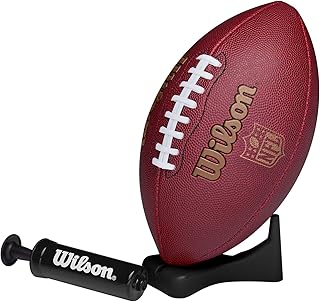
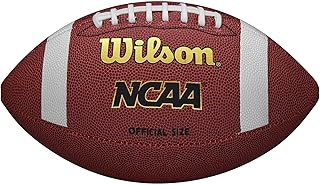
Not every football is designed for the same purpose. Training balls, recreational balls and competition-oriented footballs can differ in construction, grip, panel design and sizing.
Always check the size required for the player's age group and competition. Younger players may use different football sizes from adult players, and buying a full-size ball simply because it is marketed as a "real football" can make learning and practice unnecessarily difficult.
Composite footballs are often considered for training and recreational use because they can provide a consistent grip and may be less demanding to maintain. Leather footballs are commonly associated with higher-level play and can have different handling characteristics, but the appropriate choice depends on the competition and intended use.
Quarterbacks should pay close attention to how the surface and laces feel during throwing. A player who frequently practises outdoors should also consider how the football behaves when exposed to changing weather conditions.
A mouthguard should fit securely and comfortably enough that the player can communicate and breathe without constantly adjusting it. Poor fit can become a distraction during training or competition.
Boil-and-bite mouthguards can provide a more individualised fit than basic ready-to-wear designs, while custom mouthguards may be appropriate for players seeking a professionally fitted option. The choice should take into account the player's age, orthodontic situation, competition requirements and advice from an appropriately qualified dental professional where relevant.
Do not assume that the most expensive mouthguard is automatically the best choice. Fit, retention, comfort and suitability for the player's circumstances matter more than price alone.
Players looking beyond protective equipment may also need training products for speed, agility, catching, throwing and conditioning.
Training accessories should complement coaching rather than replace it. The most useful product is the one that supports a clearly defined training objective.
Beginners do not necessarily need the most expensive equipment available. A sensible starter setup should prioritise correctly fitted protective equipment, suitable footwear and basic training equipment.
A beginner should first establish the position they will play and the equipment requirements of their club. This can prevent spending money on specialist gear that becomes unnecessary after a position change.
Youth equipment deserves additional attention because children grow quickly and their equipment needs can change during a season. Avoid buying substantially oversized protective equipment with the expectation that the player will "grow into it." Protective equipment is designed to work correctly when fitted as intended.
Parents should confirm age-specific requirements with the relevant club or competition and should not assume that adult equipment is appropriate simply because the dimensions appear close.
For youth helmets in particular, follow the manufacturer's fitting procedure and verify current certification information. NOCSAE maintains separate standards and documentation covering different football equipment categories and continues to update its standards over time.
One of the easiest ways to narrow down the enormous number of available products is to shop by position.
Materials influence weight, durability, ventilation, flexibility, maintenance and comfort. However, a premium material is not automatically the best material for every player.
Synthetic football apparel commonly uses polyester or blended fabrics because they can provide durability and moisture management while remaining relatively lightweight. Look at the complete garment construction rather than focusing on the fibre name alone.
Protective equipment can use different foam densities and constructions. The important buying question is not simply whether a product contains "high-density foam", but how the padding is positioned, what areas it protects and whether the equipment fits the player correctly.
The choice between leather and composite construction can affect grip, feel and maintenance. For a player primarily practising outdoors, ease of care may be particularly important. For organised competition, always prioritise the specifications permitted by the applicable rules.
Australian conditions make heat management an important practical consideration. Football equipment can become uncomfortable when moisture and heat accumulate under a helmet, shoulder pads or compression apparel.
Look for ventilation openings, moisture-managing fabrics and removable or washable components where appropriate. However, ventilation should never be used as a reason to compromise the protective function or fit of equipment.
After training, allow equipment to dry thoroughly rather than leaving damp pads and gloves sealed inside a closed equipment bag. Follow the manufacturer's cleaning instructions because some protective materials and adhesives can be damaged by inappropriate heat, chemicals or washing methods.
A useful comparison should go beyond star ratings. Customer reviews can help identify recurring comfort or sizing issues, but specifications and manufacturer instructions are particularly important for protective equipment.
Team colours and design can be important, but appearance should come after fit, certification, construction and suitability. A visually appealing helmet or glove is not necessarily the best match for the player.
Buying a larger size because it is discounted or because the player is expected to grow can result in an unsuitable fit. Protective equipment should be selected according to the manufacturer's fitting requirements.
Helmets differ in shell design, padding systems, fit profiles, faceguards and intended users. Compare the complete model rather than treating all helmets from a recognised brand as interchangeable.
Position is one of the strongest predictors of which equipment characteristics matter. A receiver does not necessarily need the same shoulder-pad configuration as a lineman, and a lineman does not necessarily need the same gloves as a receiver.
Some equipment systems may depend on specific liners, pads, faceguards, straps or other components. Before purchasing, establish whether replacement parts are readily identifiable and whether the manufacturer permits the relevant component changes.
Customer reviews are useful for discovering recurring issues, but they represent individual experiences. One buyer's ideal fit may be another player's poor fit. Use reviews as supplementary evidence rather than a substitute for technical specifications.
Reviews are most valuable when multiple buyers describe the same issue independently. Pay particular attention to comments concerning sizing, durability, ventilation, grip, stitching, comfort and product construction.
Used equipment can reduce the initial cost of playing, but the potential savings need to be considered alongside condition, hygiene, fit and certification history.
For protective equipment, particularly helmets, buyers should be much more cautious than they might be with a training cone, equipment bag or other low-risk accessory. NOCSAE notes that recertification and reconditioning are separate processes and describes post-sale testing and reconditioning as important considerations for previously used equipment.
For non-protective products, used equipment can sometimes be more practical, provided that the item is clean, structurally sound and suitable for the intended purpose.
Instead of setting one arbitrary budget for every player, divide the purchase into essential protective equipment, position-specific equipment and optional training accessories.
Allocate the greatest attention to equipment where fit, certification and protection are central considerations. This includes the helmet, shoulder pads and mouthguard, along with other equipment required by the player's competition.
Next consider gloves, cleats and position-specific apparel. These products can have a direct effect on traction, grip, movement and comfort.
Equipment bags, additional footballs, cones, training nets and other accessories can be added according to the player's training routine and available budget.
Higher-priced equipment can be worthwhile when it solves a specific problem that matters to the player. Examples include a helmet that provides a substantially better individual fit, gloves that offer a preferred grip and construction, or shoulder pads that provide the right combination of protection and mobility.
However, paying more simply for a premium logo does not guarantee a better result. The relevant question is whether the additional features are useful for the player's position, playing level and personal requirements.
A less expensive product can make sense for recreational players, beginners who are still establishing their position or athletes who need basic training equipment. The key distinction is between saving money on optional features and compromising on essential protective characteristics.
For low-risk accessories, prioritising value can be sensible. For protective equipment, the comparison should begin with suitability and certification rather than price.
Several established brands appear regularly across American football equipment categories. Riddell, Schutt, Xenith, Nike, adidas, Under Armour, Cutters and Battle are examples worth comparing, depending on the equipment category.
Brand reputation should be treated as a starting point rather than a final purchasing decision. A strong brand can produce multiple product lines aimed at different players, budgets and playing requirements. Always compare the exact model, specifications, size chart and intended use.
When comparing products for an Australian buying guide, a consistent framework makes the recommendations more useful. Rather than ranking every product solely by overall popularity, consider the following attributes.
The best American football product is not necessarily the most expensive, most popular or most heavily advertised option. It is the product that fits the player, matches the position, satisfies the relevant requirements and performs the specific job the buyer needs it to perform.
For protective equipment, place certification, condition and correct fitting ahead of colour, branding and discounts. For gloves, cleats and apparel, focus more closely on position, surface, movement, comfort and durability. For training equipment, consider whether the product supports a particular drill or training objective rather than buying accessories simply because they are marketed for football.
Australian buyers should also remember that equipment requirements can change between clubs, leagues, age groups and competitions. Check the current requirements applicable to the player before purchasing, particularly when buying helmets, faceguards and other protective equipment.
For 2026 purchasing decisions, compare the exact model and current specifications rather than relying on an older review of a similarly named product. NOCSAE's football standards are periodically revised, and its current newly manufactured football helmet specification changed effective August 2026, demonstrating why certification information should be checked against current documentation.
The best starter equipment is properly fitted protective gear combined with suitable footwear and basic position-appropriate accessories. Beginners should avoid buying specialist equipment before confirming their position and club requirements.
For a player participating in contact football, properly fitted protective equipment is among the highest priorities. A helmet deserves particular attention because fit, certification, condition and maintenance all matter.
No. Price alone does not determine whether a helmet is suitable. Fit, certification, model-specific features, compatibility and the player's individual head shape are more meaningful considerations.
A used helmet requires substantially more scrutiny than ordinary sports accessories. Establish its condition, history and applicable certification or recertification information before use. If its history or condition cannot be established reliably, a new helmet may be the safer purchasing decision.
Wide receivers generally benefit from gloves that provide a secure fit, useful grip characteristics and enough flexibility for catching. Compare palm construction, finger fit, closure system and ventilation rather than choosing solely by brand.
Start with the playing surface and competition rules. Then consider traction, fit, weight, comfort, durability and the player's position. A cleat designed for the wrong surface can be a poor choice regardless of its brand or price.
Often, yes. Youth equipment may use different sizing and may be subject to age-specific requirements. Parents should follow the manufacturer's fitting guidance and confirm the equipment requirements of the relevant club or competition.
Clean and dry equipment according to the manufacturer's instructions before storing it in a dry, ventilated environment. Avoid leaving damp gloves, pads or apparel sealed inside a closed bag for extended periods.
Inspect it before use and whenever it experiences unusual impact, damage or a fitting problem. Follow the manufacturer's maintenance instructions and seek appropriate professional inspection or reconditioning when required.
Many major American football brands and product categories can be found through Australian sports retailers and specialist sellers, although model selection, sizing and availability can change. Always verify current stock, delivery terms and retailer conditions before purchasing.
A complete kit can be convenient for beginners, but it is not automatically the best-value option. Individual products can often be matched more precisely to the player's position, measurements and playing requirements.
Compare fit, intended position, materials, certification, weight, ventilation, durability, maintenance requirements, compatibility, warranty information and total cost. For protective equipment, safety-related specifications should take precedence over cosmetic differences.