

♥ Wishlist
Compare 57 verified Boating and Water Sports Equipment for Australian Adventures products in Australia. Reviews, ratings, pros, cons and buying advice updated for October 2026.


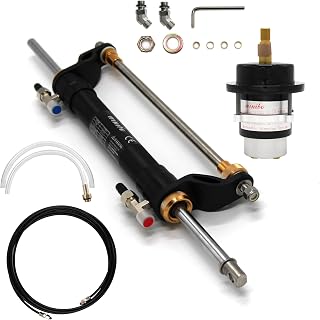


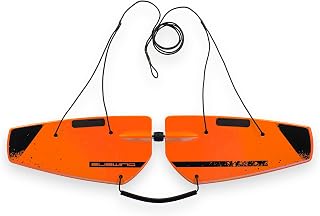


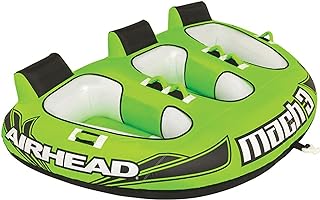


Choosing boating and water sports equipment in Australia requires more than comparing star ratings or selecting the cheapest option. Australian conditions can vary dramatically between sheltered rivers, inland lakes, estuaries, bays and exposed coastal waters. The right product therefore depends on how, where and how often you intend to use it.
When comparing boating accessories, water sports equipment and related outdoor products, consider construction quality, intended environment, dimensions, weight capacity, compatibility, portability, storage requirements and ease of maintenance. Customer feedback can help identify recurring strengths and weaknesses, but specifications should always be checked against your own requirements before purchasing.
A useful buying decision starts with the conditions in which the equipment will actually be used. A product that is suitable for occasional recreational use on a calm lake may not be appropriate for frequent saltwater exposure, rougher coastal conditions or demanding towing activities.
Start by identifying the activity. Boating accessories, towable water sports equipment, inflatable products, swimming equipment, fishing accessories and personal safety gear can have very different performance requirements. Consider whether the product will be used for family recreation, fishing, cruising, watersports, camping near the water or occasional weekend trips.
Saltwater is particularly important when assessing materials and hardware. Repeated exposure to salt, moisture and sunlight can accelerate corrosion, fading and material degradation. If equipment will regularly be used around Australia's coastline, look for construction and hardware appropriate for marine environments and follow the manufacturer's cleaning and storage recommendations.
Never rely on appearance when determining whether equipment can safely support people, cargo or accessories. Check the stated weight capacity, user limits and compatibility requirements. For inflatable products, boards, kayaks, towables and similar equipment, consider the combined weight of users and equipment rather than the weight of one person alone.
Measure your boat, vehicle, storage area and transport space before purchasing. Large water sports products can be difficult to transport or store even when they are relatively light. Foldable, inflatable or compact designs can be useful where storage space is limited, but portability should be balanced against durability and setup requirements.
Materials have a major influence on durability, comfort and maintenance. The most appropriate construction depends on the type of product rather than simply choosing the material that sounds most premium.
For products exposed to water, inspect metal components such as buckles, clips, rings, fasteners and adjustment hardware. Corrosion-resistant materials can be particularly valuable in coastal environments. However, corrosion resistance does not eliminate the need for rinsing and drying after saltwater use.
Inflatable boats, boards and recreational equipment should be assessed for material thickness, seam construction, valve quality, repairability and the manufacturer's recommended inflation pressure. Check whether the package includes the pump, repair equipment, storage bag and other essential accessories or whether these must be purchased separately.
Australian sunlight can be demanding on outdoor equipment. Fabrics, plastics and inflatable materials should be protected from unnecessary prolonged exposure to direct sunlight when not in use. A suitable storage solution can help reduce deterioration and keep equipment cleaner between outings.
Water sports equipment should complement appropriate boating and water safety practices rather than replace them. Before using any product, read the manufacturer's instructions and confirm that it is suitable for the intended activity, user and conditions.
For safety-related equipment, check applicable Australian requirements and guidance from relevant authorities before making a purchase. Products intended to keep a person afloat should be selected according to the user's size, intended activity and operating environment rather than appearance or comfort alone.
Bright colours and reflective elements can make certain recreational equipment easier to identify in the water. Visibility can be especially useful when several people are participating in the same activity or when equipment may be seen from a boat.
For towables and other products that connect to a boat, inspect attachment points carefully. The connection system should be compatible with the boat and the intended activity, and users should follow the manufacturer's requirements for ropes, connectors, towing positions and maximum capacity.
Comfort matters because poorly fitting equipment may discourage correct use. Adjustable straps, appropriate sizing, secure closures and adequate freedom of movement can make a substantial difference during longer recreational sessions.
Not every useful boating product needs to be expensive or technologically advanced. Some of the most practical purchases improve organisation, visibility, comfort, storage or basic maintenance.
Water-resistant storage can protect phones, keys, clothing, food and other personal items from splashes. When comparing dry bags, consider capacity, closure design, seams, carrying options and whether the intended level of water resistance matches the activity.
Compact organisers can help prevent loose equipment from moving around a boat. Look for designs that are easy to secure, clean and access without creating unnecessary obstruction.
A suitable cover can reduce exposure to sunlight, dust, leaves and rain when a boat is stored. Measure the boat carefully and compare the cover's dimensions, attachment system, material and ventilation features before buying.
Waterproof cases can be useful for recreational boating, but users should understand the difference between water-resistant and genuinely waterproof products. Check the manufacturer's stated protection level and test a case according to its instructions before trusting it with valuable electronics.
Inflatable watercraft are attractive to many Australian buyers because they can be easier to transport and store than rigid alternatives. However, portability should not be the only deciding factor.
Consider the width, hull shape, floor construction and intended use. A recreational paddle board designed for calm-water cruising may have different stability characteristics from a board designed for touring or fitness.
Check how the product is inflated, assembled and packed away. A product that requires extensive preparation may be less convenient for short outings. Package contents are equally important because a pump, paddle, seat or other component may not always be included.
Before purchasing an inflatable product, check whether repair materials and replacement components are available. Valves, fins, pumps, seats and other removable parts can eventually require replacement, so long-term maintainability is worth considering.
Towable tubes and similar products can provide recreational entertainment, but their suitability depends on capacity, construction and the towing setup.
Multi-rider towables may require greater towing capacity and more space than single-rider products. Compare the stated user capacity and weight limits carefully instead of assuming that a larger product is automatically suitable for a particular boat.
Handle placement affects how riders hold and control their position. Look for reinforced handles and construction appropriate for the intended number of riders, while following the manufacturer's instructions for use.
The tow rope is a critical part of the system. Confirm that the rope is designed for the intended activity and number of riders and that the connection method matches the towable and boat setup.
Established outdoor and marine brands can be useful starting points when comparing specifications, replacement parts and product ranges. Depending on the category, Australian shoppers may encounter brands such as Intex, Bestway, Coleman, Sea to Summit, O'Brien, Hydro-Force, INTEX Challenger, Sevylor and Spinera.
Brand recognition alone should not determine a purchase. Compare the exact model's specifications, included accessories, construction, capacity, user suitability and current customer feedback. A well-known brand can offer several products aimed at completely different use cases.
Reviews are useful when they reveal recurring patterns rather than isolated opinions. Look for comments from buyers who used the product in conditions similar to yours.
A low purchase price can become less attractive if an item requires additional pumps, ropes, fittings, storage equipment or replacement components. Compare the complete setup rather than the headline product price alone.
Online product photographs can make equipment appear smaller or larger than it really is. Always compare the listed measurements with the physical space available in your boat, vehicle and home.
Water resistance varies considerably. Check the manufacturer's stated protection and intended use instead of relying on terms such as waterproof, splashproof or marine-ready without examining the specifications.
Water sports equipment needs somewhere suitable to dry and remain stored. Damp equipment placed into enclosed storage can develop unpleasant odours and material problems over time. Consider ventilation and drying requirements before purchasing bulky products.
Some products appear inexpensive because essential accessories are sold separately. Check the complete contents list before comparing two apparently similar options.
Australia's boating environments range from calm inland waterways to exposed coastal areas. The appropriate product therefore depends heavily on the location and conditions.
Prioritise stability, portability, easy setup and storage. Inflatable recreational products can be convenient for users who need to transport equipment in a car rather than keep it permanently on a boat.
Consider the possibility of current, changing weather, submerged obstacles and restricted manoeuvring areas. Compact equipment and secure storage can be particularly practical.
Saltwater exposure, UV radiation, wind and changing conditions deserve greater attention. Choose materials and components appropriate for marine use and establish a routine of rinsing, drying and inspecting equipment after use.
Good maintenance can help preserve equipment and reveal problems before the next outing.
Specifications should be compared according to product category. For inflatable products, dimensions, maximum load, material, inflation pressure and package contents are particularly important. For towables, rider capacity, construction, handles and towing requirements deserve attention. For storage products, capacity, dimensions, closure design and water resistance are more relevant.
A useful comparison should therefore avoid treating every product as if it can be ranked using the same criteria. The best option is the one whose specifications match the intended activity, environment and user requirements.
Families should prioritise ease of use, capacity, stability, durability and storage. Products with complicated setup procedures may be less practical when several people are preparing for an outing.
Beginners generally benefit from straightforward products with clear instructions, manageable dimensions and predictable handling. Avoid selecting advanced equipment simply because it offers more features than a beginner needs.
Frequent users should place greater emphasis on construction quality, replacement parts, maintenance requirements and long-term practicality. A product that saves setup time or withstands repeated use can be more useful than one with a longer list of features.
Inflatable and foldable equipment can be attractive where storage space is limited. Compare the packed dimensions as carefully as the inflated or assembled dimensions.
Coastal users should pay particular attention to corrosion resistance, UV exposure, material quality and cleaning requirements. Equipment should be maintained according to the manufacturer's recommendations after saltwater exposure.
A ranked list is most useful when each product is assessed against the same practical criteria. Before choosing a product from a top-ten selection, create a shortlist based on the following factors.
Value should be assessed over the expected period of use rather than simply comparing initial prices. A more expensive product may be worth considering if it provides features that are genuinely useful for your activity, stronger construction or easier maintenance. Conversely, paying extra for features that will never be used does not necessarily represent better value.
When checking current prices through Australian retailers, compare the complete package and verify whether accessories, delivery charges or replacement components change the overall cost. Prices and availability can change, so current retailer information should always be checked before purchasing.
There is no single best product for every Australian user. The right choice depends on the activity, location, number of users, storage space, budget, required capacity and expected frequency of use. Compare specifications and current customer feedback for the exact model before buying.
Focus on intended use, user capacity, construction quality, dimensions, portability, included accessories, safety requirements, maintenance and suitability for the environment where the equipment will be used.
Inflatable products can be convenient for many recreational applications, particularly where portability and storage are important. Suitability depends on the individual product, intended activity and operating environment. Check its capacity, construction, inflation requirements and manufacturer instructions before use.
Look closely at corrosion resistance, material durability, UV exposure, cleaning requirements and the suitability of fittings for marine environments. Regular fresh-water rinsing and proper drying can also be important maintenance practices.
Compare their exact specifications rather than relying on brand names or photographs. Pay particular attention to capacity, dimensions, materials, included accessories, compatibility, maintenance requirements and the conditions for which each product is designed.
No. Price does not automatically indicate suitability or quality. A more expensive product may offer useful construction or features, but the best purchase is the product whose specifications match your requirements without paying for unnecessary capabilities.
Customer ratings are useful as one part of the research process. Read detailed reviews, identify recurring themes and confirm that the feedback relates to the exact product model. Specifications and manufacturer instructions should also be considered.
Inspect equipment before use and whenever it has been stored for an extended period. Safety-critical components, attachment points, inflatable seams, valves, straps and ropes deserve particular attention. Follow the manufacturer's inspection and maintenance guidance.
Before placing an order, verify the product model, dimensions, capacity, materials, included accessories and intended operating conditions. Check current customer feedback and compare at least a few similarly specified alternatives. For safety-related equipment, confirm that the product is appropriate for the intended activity and complies with applicable Australian requirements.
The strongest buying decision is not necessarily the product with the highest rating or the most features. It is the option that offers an appropriate combination of performance, construction, practicality, compatibility, maintenance requirements and value for the specific Australian environment in which it will be used.
Because product specifications, retailer listings, customer feedback and availability can change, treat any buying guide as a starting point rather than a substitute for checking the current listing. In August 2026, shoppers should verify the exact model number, current specifications, package contents, safety instructions and current retailer terms immediately before purchasing.
For an affiliate buying guide, it is also sensible to compare multiple retailers and product listings rather than assuming that every listing uses identical specifications. Pay particular attention to model revisions, bundle differences and products with similar names but different capacities or dimensions.
A useful comparison should balance specifications with real-world practicality. Performance matters, but so do transport, setup, storage, cleaning, compatibility and durability. Customer feedback can provide additional context, while manufacturer documentation remains important for technical limitations and intended use.
This approach helps distinguish products that merely look attractive in photographs from products whose specifications genuinely suit the intended activity. Always make the final decision based on the current product information and your own requirements.