

♥ Wishlist
Compare 53 verified Snooker Equipment for Australian Players products in Australia. Reviews, ratings, pros, cons and buying advice updated for October 2026.


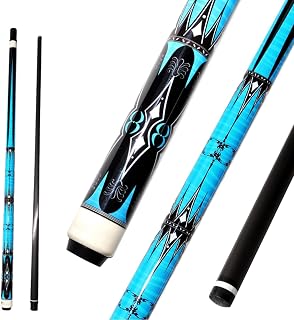


Choosing snooker equipment is not simply a matter of selecting the most expensive cue, table accessory or practice aid. The right combination depends on how often you play, your playing environment, your skill level, available space and the type of improvement you want to achieve. A recreational player setting up a home practice area in Australia may have very different priorities from a competitive player who spends several evenings each week at a dedicated snooker venue.
This guide is designed to help Australian buyers compare specifications, materials, construction quality, compatibility and long-term practicality before purchasing. Product descriptions and customer ratings can be useful starting points, but they should be considered alongside measurable specifications and the intended use of the equipment.
A good snooker product should perform its intended function consistently without introducing unnecessary compromises. For equipment used directly during play, factors such as dimensional accuracy, balance, finish, durability and compatibility can have a noticeable effect on the playing experience. For accessories, reliability, ease of use, storage and protection may be more important than premium materials alone.
For many players, the cue is the most personal piece of snooker equipment. Two cues with similar prices can feel very different because of differences in wood selection, dimensions, balance, shaft profile, tip construction, joint design and finish.
A conventional full-length cue is suitable for many adult players, but the ideal length is influenced by stature, stance, arm reach and the amount of room available around the table. Players should be able to adopt a comfortable stance without feeling restricted by the cue.
Shorter cues can be useful where space is limited, including home rooms with furniture or walls close to the table. However, a short cue should not be selected simply because it is easier to store. The playing position and player's reach remain more important considerations.
Cue weight affects how the cue feels during delivery. A heavier cue may feel stable to one player while another may prefer a lighter, more responsive setup. There is no universal weight that is automatically best for every player.
When comparing cues, consider the total cue weight as well as how that weight is distributed. Two cues with identical overall weights can have different balance points and therefore produce noticeably different handling characteristics.
The balance point influences the way a cue moves through the delivery. A forward-balanced cue can feel different from one with more weight toward the butt. Players who already know the balance characteristics they prefer should compare this specification where it is provided.
The shaft is responsible for a substantial part of the cue's feel. Shaft diameter, taper and finish can influence bridge movement and perceived feedback. A smooth, consistently finished shaft can be particularly important for players who practise frequently.
Beginners should avoid assuming that the thinnest shaft is automatically the most advanced choice. A suitable shaft should feel comfortable and allow the player to deliver the cue smoothly and repeatedly.
The cue tip is a small component with an important role in contact with the cue ball. Tips are available in different constructions and hardness levels. Softer tips can provide a different feel from harder tips, while durability and maintenance requirements also vary.
Before buying replacement tips or replacement-tip accessories, confirm the correct diameter and consider whether the product is intended for snooker rather than another cue sport.
Australian buyers may encounter established names such as Riley, Peradon and BCE when researching cues and related equipment. These brands should be compared on the specifications of the individual model rather than selected solely because of brand recognition.
Brand reputation can be useful when evaluating manufacturing consistency and the availability of compatible accessories, but it does not remove the need to inspect the particular model's dimensions, materials, construction and intended use.
A full-size snooker table requires substantially more planning than a cue or small accessory. Buyers should assess the playing area, table dimensions, access route, floor requirements, installation requirements and ongoing maintenance before committing to a table.
A full-size snooker table occupies considerably more usable space than the table's playing surface alone suggests. Players need sufficient clearance around the cushions to use a full-length cue comfortably from different positions.
Measure the entire proposed room rather than relying on the nominal table dimensions. Include walls, doors, windows, furniture, columns, cabinets and other obstructions. A room that technically fits a table may still be unsuitable if cueing positions are restricted.
Quality snooker tables commonly use slate as the playing-bed material because dimensional stability and a suitably level surface are essential to predictable ball movement. The construction of the frame and support system is also important because the playing surface needs to remain properly aligned.
For a substantial table purchase, buyers should investigate the construction method, levelling system and installation requirements rather than assessing the table from photographs alone.
The cloth affects both playing characteristics and maintenance. Snooker cloth is generally made to provide a consistent playing surface and suitable ball response. Strachan is one recognised name Australian buyers may encounter when comparing snooker cloth options.
Cloth specifications should be considered together with installation quality. Even a suitable cloth can perform poorly if it is installed incorrectly or allowed to become contaminated with dust, moisture or unsuitable cleaning products.
Cushion condition and construction influence rebound consistency. When evaluating a used table, inspect cushion response rather than relying solely on visual condition. Age, storage conditions, environmental exposure and previous use can all affect performance.
Snooker balls should be consistent in size, weight, finish and surface condition. Small differences can matter more to players who practise seriously because predictable equipment makes it easier to distinguish technique problems from equipment-related inconsistencies.
Aramith is a well-known manufacturer in the cue-sports market and may appear in Australian searches for premium ball sets. When comparing ball sets, check that the set is specifically intended for snooker and that the dimensions and composition match the requirements of your table and style of play.
Scratches, dirt, residue and uneven wear can affect how balls interact with cushions and one another. Balls should be kept clean using products and procedures appropriate for the manufacturer's materials and finish.
Regular maintenance can help preserve a table's playing characteristics and reduce avoidable wear. Dust, chalk particles, skin oils and other debris can accumulate on the cloth over time.
The best accessory purchases are usually those that solve a specific playing, maintenance or storage problem. Buying a large collection of accessories without considering actual requirements can create unnecessary expense and clutter.
Extensions can help players reach shots that would otherwise require an uncomfortable stance. Compatibility is particularly important because not every extension fits every cue. Check the cue's joint or extension system before purchasing.
Rest equipment allows players to support the cue when the cue ball is too far away for a normal bridge. Common designs include cross rests, extended rests and spider-style heads. Buyers should consider construction, stability, attachment compatibility and storage.
A cue case protects the cue during storage and transportation. The best choice depends on whether the player carries one cue or several shafts and butt sections.
Check internal dimensions carefully rather than assuming a case will fit because the external dimensions appear suitable.
Snooker chalk is applied to the cue tip to help maintain friction between the tip and cue ball. Different formulations can feel and perform differently, so players who have developed a preference should compare consistency, residue and compatibility with their playing style.
Players who maintain their own cues may need tip tools for shaping, scuffing or maintaining the tip surface. These tools should be used carefully because excessive removal of material can shorten tip life or alter the cue's playing characteristics.
Materials should be evaluated according to function rather than marketing language. Natural wood can provide a distinctive appearance and feel, but wood is also sensitive to environmental conditions. Synthetic materials can offer consistency, durability or easier maintenance in some accessories.
Traditional snooker cues are commonly associated with ash or other carefully selected woods. Grain appearance can be attractive, but visual grain alone should not determine the purchase. Straightness, finish, construction, shaft consistency and overall feel are more useful evaluation points.
Joints, ferrules, fittings and other hardware should be securely manufactured and appropriate for the cue or accessory. Corrosion resistance can also matter in environments where equipment is exposed to humidity.
Grip materials influence handling and comfort. Leather may provide a traditional feel, while synthetic materials can offer different levels of durability and maintenance convenience. Buyers should consider sweat, playing frequency and personal preference.
Australia's varied climate makes environmental conditions an important consideration for some snooker equipment. Temperature fluctuations, humidity and direct sunlight can affect natural wood, cloth and other materials over time.
Cues should be stored away from excessive heat, direct sunlight and damp conditions. Avoid leaving a cue in a vehicle for extended periods, particularly when temperatures can become extreme. A suitable case and stable indoor storage environment can help reduce unnecessary environmental exposure.
For tables, climate control can be particularly relevant because changes in humidity and temperature can affect natural materials and the overall playing environment. Buyers setting up a permanent table should consider the room's ventilation and environmental stability before installation.
One of the most common purchasing mistakes is buying a table before confirming that the room works for practical play. Measure the proposed installation area and allow generous cueing clearance around the playing surface.
Appropriate lighting is essential for comfortable play. The objective is an evenly illuminated playing surface without excessive glare or distracting shadows.
When selecting a lighting system, consider fixture dimensions, light distribution, mounting height, colour characteristics, energy consumption and ease of maintenance. The light should illuminate the entire playing area consistently without creating an uncomfortable viewing experience.
A useful comparison should go beyond star ratings. Customer feedback can reveal recurring usability issues, but technical specifications help determine whether a product is actually appropriate for the intended application.
The cheapest option is rarely the only sensible choice, but paying more does not automatically guarantee a better playing experience. Value should be assessed according to how often the equipment will be used and whether its additional features solve a real problem.
For occasional recreational use, a straightforward accessory with dependable construction may offer better value than a specialist premium product. Regular players may benefit more from investing in components that directly affect play, such as a suitable cue, quality cloth or properly maintained balls.
When comparing current prices, buyers should also consider the total cost of ownership. Replacement tips, cases, maintenance products, table servicing and other accessories can add to the long-term cost of a setup.
A polished finish, attractive grain or stylish case can make equipment appealing, but appearance does not demonstrate suitability. Examine specifications and construction before making the final decision.
Extensions, cases, joints, replacement tips and other accessories can have specific compatibility requirements. Always verify measurements and connection systems before ordering.
A table that leaves insufficient cueing clearance may be frustrating even if it technically fits inside the room. Playing space should be assessed before purchase and installation.
Even cues of similar length and weight can feel different because of balance, shaft characteristics, construction and grip. Players should compare these factors where possible.
Proper storage is especially important for wooden cues. Heat, moisture, direct sunlight and poor handling can contribute to unwanted changes over time.
Equipment that is easy to maintain can provide better long-term value. Before buying, determine what cleaning, replacement or servicing will be necessary.
New players do not necessarily need a professional-level collection of equipment. A suitable cue, dependable balls and access to a well-maintained table are generally more important than purchasing numerous specialist accessories immediately.
Beginners should prioritise comfort and consistency. A cue that feels natural during the stance and delivery is more useful than a technically sophisticated model that feels uncomfortable. As technique develops, the player can identify preferences for weight, balance, shaft profile, tip hardness and accessories.
Intermediate players may benefit from becoming more selective about equipment. At this stage, differences in cue construction, tip condition, chalk and maintenance can become easier to notice because the player's technique is more established.
This is also a sensible stage to evaluate whether a cue case, extension, rest accessories or dedicated maintenance tools would improve convenience during regular practice and competition.
Experienced players generally benefit from consistency above novelty. Equipment should complement an established technique rather than continually changing it.
Competitive players should pay particular attention to cue straightness, tip condition, shaft finish, joint integrity, ball condition and table cloth quality. A carefully maintained setup can make it easier to reproduce familiar playing conditions during practice.
Used equipment can provide value, particularly for tables and established cues, but buyers need to inspect condition more carefully. A used table may require recovering, levelling, cushion replacement or other servicing that changes its effective cost.
For a used cue, inspect straightness, joint condition, shaft damage, ferrule condition, tip condition and signs of excessive moisture or heat exposure. Cosmetic marks may be relatively minor, while structural problems can be considerably more significant.
Customer reviews are most useful when they contain specific information rather than simple statements about whether a product is good or bad. Look for recurring comments concerning fit, dimensions, durability, ease of use, construction and compatibility.
Before purchasing through an Australian retailer or marketplace, verify the exact model, included accessories, dimensions and current product specifications. Product listings can change, and similarly named variants may have different contents.
Snooker and pool use related equipment, but their tables, balls, cues and playing requirements differ. Buyers should avoid selecting products solely because they are described as cue-sports equipment.
For example, a pool cue and a snooker cue may differ in dimensions, tip characteristics and playing feel. Likewise, ball sets are designed around different game specifications. Always confirm that the product is intended for snooker before purchasing.
A simple maintenance routine can prevent small problems from becoming expensive repairs.
Budget-conscious buyers should allocate money according to frequency of use. There is little benefit in purchasing premium accessories while using a poorly maintained table, and there is similarly little reason for an occasional player to purchase every specialist accessory available.
A sensible priority order can be a comfortable and suitable cue, reliable playing equipment, appropriate storage and the maintenance items required to keep everything in good condition. Additional accessories can then be added when a specific playing requirement arises.
Higher spending can be justified when an upgrade directly improves consistency, durability or convenience. For serious players, a better cue may be more meaningful than decorative accessories. For a home-table owner, professional installation and ongoing table maintenance can be more important than cosmetic upgrades.
Premium equipment should therefore be evaluated according to measurable benefits. Buyers should ask what the additional cost changes and whether that change matters to their playing habits.
When reviewing the products featured on a best-of list, consider each option against the same criteria so that the comparison remains useful rather than being based entirely on marketing descriptions.
A player who mainly practises long-potting may prioritise a cue that feels stable and predictable during delivery. Someone focused on cue-ball control may be particularly attentive to tip condition, shaft characteristics and cue response. A home player with limited space may place greater importance on compact storage and practical room dimensions.
Players who travel between venues should consider portability, protective cases and durable accessories. Those building a permanent home setup should concentrate more heavily on table quality, room planning, lighting and environmental conditions.
Storage conditions should be part of the buying decision, especially for natural-wood cues and permanent table installations. Avoid storing wooden equipment where it is exposed to unnecessary moisture, extreme heat or direct sunlight.
For players living in areas with significant seasonal humidity changes, stable indoor conditions can help reduce environmental stress on equipment. A protective case can also help keep a cue clean and reduce accidental damage during transportation.
There is no single best product for every Australian player. The right choice depends on whether you need a cue, table, balls, cloth, case, rest, extension or maintenance accessory, along with your budget, experience and intended frequency of use.
Compare length, weight, balance, shaft profile, tip specifications, joint construction, finish and overall comfort. A cue should suit the player's stance and delivery rather than being selected on price or appearance alone.
They can be worthwhile for players who can identify the characteristics they need and who play frequently enough to benefit from them. Beginners may obtain better value by choosing a reliable, comfortable cue and investing in proper technique and maintenance.
Playing-surface dimensions, construction, levelling, slate or bed design, cushion quality and cloth are all important. Room clearance and installation requirements are equally important for a home buyer.
The required room size depends on the table dimensions and cue length, but the playing area itself is not enough to determine suitability. You need sufficient clearance around the cushions for normal cueing positions and should account for walls, furniture and other obstructions.
Cleaning frequency depends on usage and the playing environment. Regular brushing and appropriate care can help remove chalk and dust, while heavily used tables may require more frequent attention. Follow the cloth manufacturer's care recommendations.
Aramith is a recognised cue-sports brand, but buyers should check the exact ball set rather than assuming that every Aramith set is designed for snooker. Confirm the game's required specifications before purchasing.
Riley and Peradon are established names associated with snooker and cue-sports equipment. However, the specific model remains important. Compare its construction, dimensions, materials, intended use and current customer feedback before making a purchase.
Not necessarily. Beginners generally benefit from a comfortable and appropriately specified cue that encourages consistent technique. Once a player develops stronger preferences, upgrading to a more specialised cue can become easier to justify.
It depends on the player's needs. A suitable cue case can be useful for storage and transport, while a rest, extension or maintenance tool may solve a particular playing problem. Prioritise accessories that will actually be used.
Compare products using consistent criteria: specifications, materials, compatibility, construction, maintenance, intended user, customer feedback and total value. Looking at all of these factors provides a more useful comparison than relying on a star rating alone.
The strongest buying decision is usually the one that matches the product to the player's actual requirements. A well-chosen cue that feels comfortable, a properly sized table, consistent balls and appropriate maintenance equipment can provide more practical value than a collection of expensive products chosen without a clear purpose.
Before making a final purchase, compare the specifications of the shortlisted products, verify compatibility, review current customer feedback and consider the conditions in which the equipment will be stored and used. This approach helps Australian buyers distinguish genuine functional improvements from cosmetic or unnecessary upgrades.