

♥ Wishlist
Compare 59 verified Fishing Gear & Equipment for Australian Anglers products in Australia. Reviews, ratings, pros, cons and buying advice updated for October 2026.


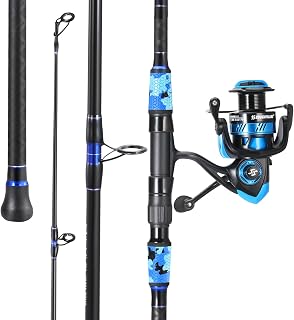


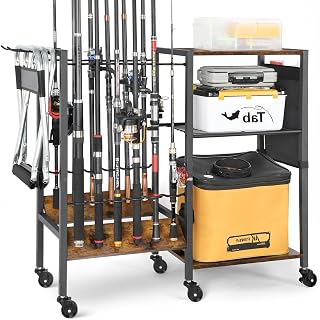


Choosing fishing gear in Australia is less about finding one universally “best” product and more about matching equipment to the species, water, fishing method and conditions you actually encounter. A setup suitable for estuary bream can be very different from one intended for offshore snapper, Australian bass, Murray cod, barramundi or beach fishing.
For an independent buying comparison, look beyond star ratings alone. Consider construction quality, intended application, specifications, corrosion resistance, ease of use, replacement-part availability, portability and the conditions in which the product will be used. Customer feedback can help identify recurring strengths and weaknesses, but specifications and suitability should remain the foundation of a purchase decision.
Australia presents unusually varied fishing environments. Anglers may fish freshwater rivers, stocked dams, tidal estuaries, rocky coastlines, beaches, jetties, sheltered bays or offshore reefs. Saltwater exposure is particularly important because salt can accelerate corrosion of reels, hooks, terminal tackle, tools and metal components.
A good fishing product should therefore be evaluated according to its intended environment rather than simply its advertised feature count. A compact freshwater reel may be excellent for light lure fishing but unsuitable for repeated offshore use. Likewise, a heavy-duty rod designed for large species may be unnecessarily cumbersome for small estuary fish.
For Australian saltwater fishing, inspect the materials used in exposed components and the manufacturer's cleaning and maintenance recommendations. Stainless-steel components can provide useful corrosion resistance, while sealed or protected reel mechanisms may offer additional protection from water and contaminants. No fishing reel or tool should be treated as completely immune to saltwater damage.
Start by identifying what you intend to catch and how you normally fish. Species, lure weight, bait size, casting distance, line strength and expected fish size all influence the appropriate equipment.
The rod is one of the most important parts of a fishing setup because its action, power, length and construction affect casting, lure control and fish fighting performance.
Longer rods can provide useful casting leverage and line control, while shorter rods can be easier to handle in confined spaces such as small boats, kayaks, heavily vegetated banks or compact jetties. The best length depends on the fishing environment rather than a universal preference.
Power describes how much force is required to load or bend a rod. Light, medium and heavy classifications are useful for comparison, but manufacturers do not always use identical rating systems. Always examine the stated lure and line ranges where available.
Fast-action rods tend to bend closer to the tip, while moderate or slower actions distribute bending farther down the blank. Fast actions can provide responsive lure control, whereas a more progressive action can offer useful cushioning during a fight. Neither is automatically superior for every fishing technique.
A two-piece rod is generally easier to transport and store. A one-piece design can provide a continuous blank, but transportation can become less convenient. For anglers who regularly travel by car or store equipment in limited space, portability may outweigh other considerations.
Spinning reels are popular because they are versatile and relatively straightforward to use, making them a practical choice for many Australian anglers. When comparing reels, examine gear ratio, retrieve rate, drag system, spool capacity, bearing configuration, handle design and resistance to saltwater exposure.
The drag controls how easily line can be pulled from the reel under tension. Smooth operation is generally more important than simply selecting the highest advertised maximum drag figure. A drag that starts and operates consistently can be more useful than an impressive specification that does not reflect practical fishing requirements.
A higher gear ratio can provide faster line retrieval, while lower gearing can provide useful winding leverage. Consider the lure or bait technique and the amount of line that must be recovered rather than selecting a ratio solely because the number is larger.
Spool capacity should accommodate the chosen line type and enough usable line for the fishing environment. Offshore and surf applications can require considerably more line capacity than short-range estuary fishing.
Line selection can substantially change how a fishing setup behaves. Braided line is valued for its small diameter relative to strength and sensitivity, while monofilament provides stretch and can be comparatively forgiving. Fluorocarbon is commonly used as leader material because of its abrasion resistance and underwater characteristics.
Braid can be useful when sensitivity, casting distance and reduced diameter are priorities. It can also provide strong line capacity on smaller reels. However, braid is not automatically the best choice for every application, and its lack of significant stretch can make drag settings and leader selection particularly important.
Monofilament remains a practical option for anglers who value simplicity, stretch and generally straightforward handling. It can be particularly suitable for basic setups and situations where maximum sensitivity is not the primary requirement.
Leader selection should account for abrasion hazards, target species and water conditions. Rocky structure, sharp edges, heavy cover and fish with abrasive mouths can justify a more abrasion-resistant leader. Match leader strength to the complete setup rather than treating it as an isolated specification.
Terminal tackle is often inexpensive compared with rods and reels, but its quality can have an outsized effect on fishing performance. Hooks should be selected according to target species, bait or lure presentation and local fishing conditions.
Soft plastics are versatile and can be rigged in several ways. Compare body profile, durability, buoyancy, size and compatibility with the jig heads or hooks being used.
Hardbody lures can be selected according to diving depth, swimming action, buoyancy and target species. The correct lure is not necessarily the most expensive or elaborate option; it should match the depth and presentation required by the fishing situation.
Weight influences casting distance, sink rate and presentation. Too light a jig can be difficult to control in current or wind, while excessive weight can produce an unnatural presentation or exceed the rod's recommended lure range.
Inspect hook sharpness, size, gauge and intended application. Replace damaged, heavily corroded or compromised hooks rather than relying on appearance alone.
A complete fishing setup involves more than a rod and reel. Practical accessories can make handling fish, changing tackle and protecting equipment substantially easier.
Brand reputation can be a useful starting point, but it should not replace product-level comparison. Different ranges from the same manufacturer can target completely different users and budgets.
When comparing products from these or other brands, check the exact model, size and generation. A brand name alone does not establish that a product is suitable for a particular species or technique.
A useful comparison should put products on an equivalent basis. Avoid comparing a lightweight estuary setup directly with heavy offshore equipment simply because both are described as fishing products.
More powerful equipment is not automatically better. Excessively heavy rods and reels can reduce comfort, casting enjoyment and sensitivity when targeting smaller fish.
Maximum drag is only one specification. Smoothness, consistency, spool capacity, gearing, line selection and the intended fishing method all matter.
A freshwater-oriented setup can require greater care when repeatedly exposed to saltwater. If saltwater fishing is the main application, prioritise products and materials appropriate for that environment.
The rod, reel, line, leader, hooks and terminal tackle operate as a system. A strong rod paired with unsuitable line or weak terminal tackle does not create a balanced setup.
Check dimensions and specifications before buying replacement spools, reel components, rod holders, cases, batteries, mounts or other accessories. Compatibility can vary between models within the same brand.
Estuary anglers often benefit from versatile, lightweight equipment capable of handling species such as bream, flathead and whiting. Rod sensitivity, manageable reel size and lure flexibility can be more useful than oversized offshore specifications.
Surf fishing can expose equipment to saltwater, sand, wind and repeated casting. Long-casting capability, suitable sinker ratings, line capacity and ease of rinsing are important considerations.
Rock platforms create additional abrasion and safety considerations. Equipment should be matched to the environment, but no rod, reel or accessory substitutes for appropriate local safety practices and awareness of swell and conditions.
Offshore fishing can require greater line capacity, stronger tackle and robust corrosion-management practices. Compare the intended species, depth, current and fishing technique before choosing equipment.
Freshwater fishing can range from ultralight lure work to heavy tackle for larger native species. Compact storage, lure versatility and accurate rod ratings may be particularly useful for anglers moving between locations.
Product specifications are valuable only when you understand what they represent. A longer rod is not automatically a longer-casting rod, and a larger reel is not automatically more durable.
Regular maintenance can help extend the useful life of fishing equipment. Follow the manufacturer's care instructions for each specific product because cleaning methods can differ between reels, rods, electronic accessories and other components.
Saltwater equipment should be handled carefully after use. Remove visible salt and contaminants using the method recommended by the manufacturer. Avoid aggressive cleaning practices that can force water into sensitive components or remove necessary lubrication.
Inspect reels for salt deposits, sand, unusual resistance and changes in drag or retrieve feel. Do not disassemble a reel unnecessarily if you are unfamiliar with its construction. Manufacturer-approved lubrication and servicing procedures are preferable to improvised maintenance.
Inspect guides, ferrules, reel seats and the blank for damage. Pay particular attention to guide inserts because damaged guides can affect line performance and potentially compromise the line.
Dry hooks, lures and terminal tackle before long-term storage. Organise equipment so wet and dry items are not unnecessarily stored together, and keep tackle boxes clean enough to reduce corrosion and deterioration.
There is no single price point that guarantees the right setup. The appropriate budget depends on fishing frequency, target species, environment and how much versatility you need.
For occasional recreational fishing, a simple and reliable setup can make more sense than paying for specialist features that will rarely be used. Frequent anglers may benefit from investing in better components where durability, weight, smooth operation or corrosion resistance directly affect regular use.
When comparing prices, evaluate the complete setup rather than the headline price of one component. A low-cost rod may require additional spending on a reel, line, leader, terminal tackle and accessories before it becomes usable for the intended application.
Fishing rules vary between Australian states and territories and can also differ between freshwater, estuarine and marine environments. Before purchasing or using specialised gear, check the current rules for the specific location where you intend to fish.
Restrictions can apply to species, seasons, minimum legal sizes, possession limits, protected areas, hooks, nets, traps and other fishing equipment. Regulations can change, so current government or fisheries authority information should take priority over older articles, product descriptions or forum discussions.
Customer reviews can provide useful information that specifications do not always capture, but they should be interpreted carefully.
The best choice depends on what you fish for, where you fish and which technique you use. A versatile spinning setup can suit many recreational anglers, while specialist offshore, surf or heavy freshwater applications may require substantially different equipment.
There is no single best fishing brand for every application. Shimano, Daiwa, Penn, Abu Garcia, Okuma and Rapala are among the established names worth comparing, but the specifications of the individual model are more important than the logo on the product.
Higher-priced equipment can provide useful improvements in materials, weight, refinement, durability or specialised performance, but the benefits depend on how and how often you fish. Occasional anglers may receive better value from a reliable mid-range setup than from highly specialised equipment.
Choose a reel specifically suited to the saltwater environment and the target species. Consider corrosion management, drag operation, line capacity, gearing, construction and maintenance requirements rather than selecting solely by brand or maximum drag.
A spinning reel is often a practical starting point because the casting technique is comparatively accessible and the equipment can cover a wide range of fishing situations. The appropriate reel size should still be matched to the rod, line and target species.
Start with the fishing method and target species. Then compare rod length, power, action, lure rating and line rating. Finally, make sure the selected reel and line create a balanced combination with the rod.
Check the exact model number, dimensions, specifications, included components, compatibility, retailer policies and current customer feedback. Product images can sometimes represent an entire range rather than the exact variant being offered, so confirm the written specification before purchasing.
Cleaning frequency depends on use and exposure. Saltwater equipment generally deserves attention after each outing, while freshwater equipment may require less intensive cleaning. Always follow the manufacturer's maintenance instructions.
The strongest fishing purchase is not necessarily the product with the longest feature list or highest price. It is the product whose specifications match your fishing conditions, target species, technique and experience level.
For Australian anglers, environmental suitability deserves particular attention. Consider saltwater exposure, corrosion, sand, transport, storage and local fishing regulations alongside conventional performance specifications. Compare complete setups rather than isolated products, read relevant customer feedback critically, and verify current specifications before making a purchase.
For 2026 buying decisions, treat product rankings as a starting point for comparison rather than a substitute for checking the exact model and its current specifications. Prices, stock, product generations and retailer policies can change, so confirm those details at the time of purchase.