

♥ Wishlist
Compare 50 verified Ice Skating Equipment for Australian Skaters products in Australia. Reviews, ratings, pros, cons and buying advice updated for October 2026.


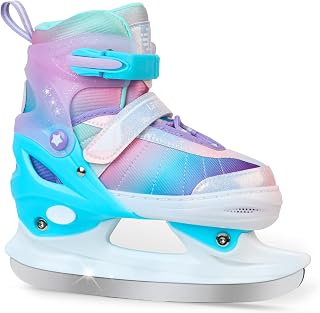


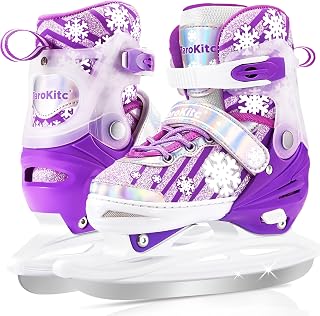


Choosing ice skating equipment is not simply a matter of selecting the most expensive pair or the product with the highest number of customer ratings. The right choice depends on skating discipline, experience, foot shape, frequency of use, support requirements, fit, blade design, construction quality and how the equipment will be maintained. A recreational skater visiting an Australian rink occasionally has very different requirements from a junior figure skater training several times a week or a hockey player who needs a purpose-built hockey skate.
For an independent buying decision, compare the complete specification rather than relying on a product name or appearance. Look at the intended skating style, boot construction, blade or holder configuration, stiffness, sizing system, width options, materials, closure system and aftercare requirements. Brands such as Jackson Ultima, Bauer, Risport and Edea are established names worth considering, but the best product for one skater is not automatically the best product for another.
One of the most important buying decisions is choosing the correct type of ice skate. Figure skates and hockey skates are designed around different skating movements, so they should not be treated as interchangeable products.
Figure skates are designed for skating disciplines involving edges, turns, jumps, spins, footwork and controlled movement. A traditional figure blade generally has a longer profile and a toe pick at the front. The toe pick is an important part of many figure-skating techniques, particularly jump and spin entries, but it can also feel unfamiliar to a beginner who has only used rental hockey skates.
When comparing figure skates, pay close attention to boot support and blade suitability. Beginner and recreational models are generally intended to provide a different balance of flexibility, comfort and support from advanced competition equipment. A boot that is excessively stiff can restrict a developing skater, while an insufficiently supportive boot may not provide the stability required as skating skills progress.
Hockey skates are designed for rapid acceleration, tight turns, quick transitions and repeated changes of direction. They normally use a compact runner and holder arrangement rather than the traditional figure-skate blade and toe pick.
Bauer is one of the major hockey-skate brands to compare when shopping in Australia. Its range includes different performance levels and fit approaches, which makes it important to compare the specifications of individual models rather than assuming that every skate from the same brand has the same characteristics.
For occasional rink sessions, recreational skates can prioritise comfort, ease of use and straightforward fitting. These products may be more appropriate for someone who skates only periodically and does not intend to pursue structured figure skating or hockey.
Recreational equipment should still fit securely. A comfortable skate should not allow excessive heel movement or permit the foot to slide around inside the boot. Convenience is useful, but poor fit can quickly become uncomfortable during a longer session.
A skate can have excellent materials and an impressive specification yet remain a poor choice if it does not fit the individual foot correctly. Ice skates should hold the foot securely while allowing appropriate toe-room and controlled ankle movement for the intended discipline.
A common mistake is purchasing oversized skates because they initially feel more comfortable. Excess space can reduce control and allow the foot to move inside the boot. This is particularly problematic when a skater is learning edges, stopping techniques or precise footwork.
Children require additional care because growing-room expectations can conflict with the need for a secure skating fit. Buying dramatically oversized skates simply to extend their usable life can negatively affect control and comfort. Check the manufacturer's current sizing guidance and, where possible, use a specialist skate fitter.
Boot stiffness is one of the most misunderstood specifications in ice-skating equipment. More stiffness is not automatically better. The appropriate support level should correspond with the skater's ability, physical characteristics, skating frequency and discipline.
Beginner boots generally need to provide enough support for basic skating while still allowing appropriate movement. As skating becomes more advanced, a skater may require a different support level to handle more demanding movements. The transition should be based on actual skating requirements rather than marketing language.
An excessively stiff boot can make it harder for a developing skater to achieve the required ankle flexion. It may also take longer to break in and can feel uncomfortable when the boot does not match the skater's strength and technique.
A boot that is too soft for an experienced skater may provide inadequate support during demanding movements. Repeated use can also contribute to faster breakdown of the boot when its construction is not suited to the skater's requirements.
The materials used in an ice skate affect weight, durability, comfort, moisture management, support and break-in characteristics. Do not judge quality from the exterior finish alone.
Traditional leather constructions can offer a particular combination of structure and durability, while modern synthetic and engineered materials can reduce weight and provide predictable construction characteristics. The best material depends on the design of the complete boot rather than the material name alone.
Interior padding influences comfort and heel security. Thick padding is not automatically superior because excessive softness can change the way the foot sits inside the boot. Look for a design that combines comfort with stable foot positioning.
The outsole forms an important connection between the boot and blade assembly. Construction materials and mounting design can affect weight, durability and stability. For figure skates, blade mounting and alignment are particularly important because the blade position influences how the skater interacts with the ice.
The blade is the component that physically contacts the ice, so its design has a direct influence on skating behaviour. However, choosing a blade based only on its visual appearance is rarely sufficient.
Figure blades incorporate different design features for edge control, spins, jumps and general skating. The toe pick is particularly relevant to figure skating, while the blade's overall profile influences how the skater moves between edges.
Hockey runners are designed around agility and rapid directional changes. The holder and runner system should be considered as a complete setup rather than treating the steel as an isolated component.
Even a high-quality blade requires appropriate maintenance. Moisture should be removed after skating, and protective guards should be used when walking away from the ice. Soft guards are useful for storage and transport, while hard guards are generally intended for controlled walking on suitable surfaces rather than unrestricted use on rough ground.
Skate performance depends on more than the quality of the boot. A blade that is incorrectly sharpened, damaged or poorly maintained can change the way the skate grips and releases from the ice.
Skaters should use an appropriately equipped skate service provider for sharpening rather than treating it like a generic blade-sharpening task. The appropriate hollow or sharpening setup can depend on the skater, skate type, ice conditions and personal preference.
Advanced hockey skaters may also encounter blade profiling, which changes the effective contact characteristics of the runner. Profiling is a specialist adjustment and should not be confused with ordinary sharpening.
Some modern skate boots incorporate heat-mouldable construction that allows a qualified technician to shape parts of the boot around the skater's foot. Jackson Ultima, for example, offers heat-mouldable technologies within parts of its skate range.
Heat moulding should not be treated as a substitute for correct sizing. A heat-mouldable skate still needs to be the appropriate size, width and support level before moulding is considered.
Because heating procedures vary by construction, follow the manufacturer's instructions and use an appropriately trained skate technician rather than attempting an improvised home fitting process.
Beginners should generally prioritise correct fit, appropriate support, comfort and ease of control over advanced performance features. A first pair does not need every technology available in a premium competition skate.
Children's ice skates require a particularly careful balance between fit, support, comfort and growth. A child should be able to control the skate rather than having the foot move around inside it.
Check the manufacturer's sizing system instead of assuming that an Australian shoe size will correspond directly to an ice-skate size. Different brands and models can use different lasts, widths and sizing conventions.
Parents should also consider how quickly the child is progressing. A beginner skate selected for occasional recreational use may not remain appropriate if the child starts regular lessons or enters structured competition.
Figure skaters should assess the boot and blade as a matched system. The appropriate equipment changes as technical demands increase, so a competitive skater should not select a boot solely because it is visually appealing or highly rated by general consumers.
Brands commonly considered in figure skating include Jackson Ultima, Risport and Edea. Their ranges span different construction approaches and support levels, so compare individual models and seek advice from a qualified figure-skate fitter when selecting equipment for structured training.
Hockey players should compare fit, boot construction, holder and runner system, stiffness, foot shape compatibility and the intended level of play.
Bauer is a major brand in the hockey-skate market, with skate families designed for different performance levels. The appropriate choice should be based on fit and playing requirements rather than simply choosing the highest-tier model.
Players who skate frequently should pay particular attention to heel lock and forefoot fit. A skate that feels secure during forward skating but allows excessive movement during lateral transitions may not be the correct fit.
A complete ice-skating setup involves more than the skates themselves. Several relatively inexpensive accessories can make transport, drying and routine maintenance easier.
Skate guards protect blades when skates are being transported or when walking in controlled areas where guards are designed to be used. Choose guards that fit securely and do not interfere with the blade.
Soft blade soakers can help absorb moisture after skating and provide a protective layer during storage. They should not be used as a reason to leave wet skates packed away for extended periods.
A dedicated skate bag can protect equipment during transport and provide space for guards, gloves, spare laces and other accessories. Ventilation is a useful consideration because damp equipment should not remain enclosed in a poorly ventilated bag.
Skate socks should reduce friction without creating excessive bulk. Very thick socks can change the fit of a properly sized skate and may create pressure points.
Gloves provide warmth and can offer a basic layer of protection for recreational skaters. Hockey players should use gloves and protective equipment appropriate to their level of play rather than relying on ordinary winter gloves.
Moisture management is essential after every skating session. Even when the surrounding environment does not feel particularly humid, water remaining on the blade can contribute to corrosion and deterioration over time.
When comparing two or more products, use a consistent evaluation method. A specification-by-specification comparison is more useful than relying on star ratings alone.
A higher purchase price can make more sense when the skater uses the equipment frequently, requires a more specialised fit or has progressed beyond entry-level equipment. However, spending more does not automatically produce better results if the expensive skate is poorly matched to the skater.
For an occasional recreational skater, a comfortable and correctly fitted entry-level or recreational skate can be more sensible than an advanced competition model. For a skater training regularly, the value of better construction, appropriate support and a more precise fit may become increasingly important.
Rental skates remain a practical option for people who skate only occasionally or are still deciding whether to commit to the activity. Buying can become more attractive when skating becomes a regular hobby, lessons become part of the routine or the skater needs a more consistent fit.
Personal skates provide consistency because the same boot shape, blade setup and fit can be used from session to session. That consistency can be especially useful for skaters learning technique.
Before buying, consider how often the equipment will realistically be used. The correct decision is not always the product with the highest specification; it is the product that provides an appropriate balance of fit, performance, durability and value for the intended frequency of use.
Customer reviews can provide useful information about comfort, sizing experiences, durability and common fit issues, but they should be interpreted carefully. A review from an occasional recreational skater may not be relevant to an advanced figure skater or competitive hockey player.
When reading verified customer feedback, look for recurring patterns rather than isolated comments. Pay particular attention to reviews discussing sizing accuracy, width, heel lock, break-in, blade condition on arrival and long-term durability.
Also check whether reviewers are discussing the exact model and size being considered. Feedback about another skate in the same brand's range may not accurately represent the fit or construction of the product being evaluated.
Australian shoppers should verify the current product specification, seller information, stock status, applicable delivery conditions and today's price before purchasing. Product ranges and model names can change during the year, and an older review may describe a previous generation.
Because ice skating is a specialist equipment category, availability can vary between Australian retailers and specialist skate shops. For figure skates in particular, access to professional fitting and blade servicing can be as important as the initial product specification.
Australian buyers should also confirm the manufacturer's current sizing chart rather than relying on generic international size conversions. Check the retailer's current terms for returns and exchanges before ordering, especially where the product has been fitted, heat-moulded or otherwise customised.
There is no single best ice skate for every Australian skater. The right option depends on whether you need figure skates, hockey skates or recreational skates, as well as your experience, foot shape, skating frequency and support requirements. Jackson Ultima, Bauer, Risport and Edea are among the established brands that may be worth comparing according to discipline.
Not necessarily. Premium skates can include more advanced construction and performance features, but the correct fit and support level are more important than simply selecting the most expensive option. An advanced skate that does not suit the skater can be a worse choice than a simpler, correctly fitted model.
Ice skates should hold the foot securely without painful pressure. The heel should remain controlled, the midfoot should feel supported and the toes should not be painfully compressed against the front of the boot. Follow the individual manufacturer's sizing system because ice-skate sizing is not always identical to regular footwear sizing.
Choose according to the type of skating you intend to learn. Figure skating lessons generally call for figure skates, while ice hockey requires hockey skates. For casual skating, either style may be considered depending on the skater's preference and the rink's requirements.
There is no universal interval that applies to every skater. Sharpening needs depend on frequency of use, skating style, ice conditions, blade condition and how the skates are stored and transported. Have the blades inspected by an appropriate skate service provider when grip, glide or edge performance changes.
Buying substantially oversized skates can compromise foot control and stability. A small amount of appropriate allowance may be considered according to the manufacturer's guidance, but children should not be placed in skates that are clearly too large simply to extend the useful life of the purchase.
Jackson Ultima offers recreational and learn-to-skate ranges as well as more performance-oriented equipment. The appropriate model should be selected according to the skater's level, fit and support requirements rather than the brand name alone.
No. Bauer produces hockey skates across multiple performance levels. The important consideration is selecting a model whose fit, support and construction correspond to the player's ability and intended use.
Yes. Blades should be dried after skating, suitable guards should be used for transport and the boots should be allowed to dry properly. Regular inspection and professional sharpening are also important parts of maintaining ice-skating equipment.
Check the exact model, sizing chart, available widths, intended use, support level, included blade or runner, current specifications, seller terms and return conditions. For specialist or performance skates, consider whether you can obtain appropriate fitting and servicing if required.
The strongest ice-skating purchase is the one that matches the skater rather than the one with the longest feature list. Start with discipline and experience, then narrow the choice using foot measurements, width, support, construction and blade requirements. After that, compare current specifications, verified customer feedback and the total cost of ownership.
For Australian shoppers in 2026, it is sensible to verify today's product details before purchasing because model ranges, specifications and retailer availability can change. Compare trusted brands such as Bauer, Jackson Ultima, Risport and Edea where relevant to your skating discipline, but treat brand reputation as one part of the decision rather than a substitute for proper fit.
Whether you are buying your first pair for occasional rink sessions or upgrading equipment for structured training, prioritise secure fit, appropriate support, correct blade selection and maintainability. Those factors have a much greater practical impact on the skating experience than appearance or marketing claims alone.