

♥ Wishlist
Compare 53 verified Archery Equipment for Australian Shooters products in Australia. Reviews, ratings, pros, cons and buying advice updated for October 2026.


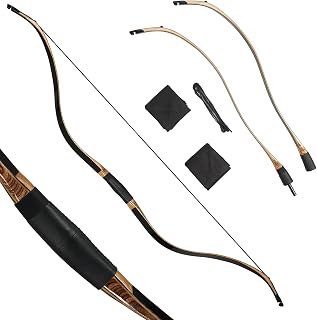
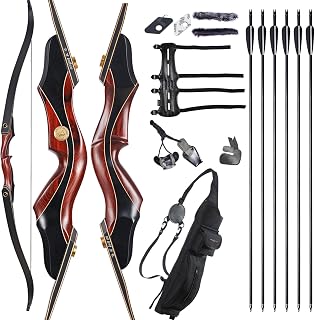


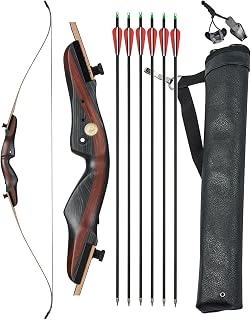


Choosing the right archery equipment is less about finding the most expensive product and more about matching the equipment to the archer, intended use, shooting environment and level of experience. A beginner practising recreationally has very different requirements from an experienced target archer, bowhunter or competitive shooter. The best archery products should therefore be compared by fit, adjustability, construction quality, compatibility, safety and long-term usability rather than by headline features alone.
When comparing products available to Australian buyers, pay close attention to the complete specification rather than relying solely on star ratings. Bow type, draw weight, draw length, axle-to-axle length, brace height, mass weight, limb construction, accessory compatibility and adjustment range can all affect how suitable a product is for a particular archer.
A strong buying choice normally combines appropriate specifications, dependable construction, sensible adjustability and a clear fit for the intended application. Customer feedback can provide useful information about packaging, setup, durability and general satisfaction, but reviews should be interpreted alongside manufacturer specifications.
The term archery products covers far more than bows. A complete setup can include the bow itself, arrows, release equipment, aiming accessories, protective equipment, storage equipment and maintenance tools. These ten categories are useful starting points when comparing the leading options available to Australian consumers.
Recurve bows remain a popular option for archers who prefer a straightforward bow design and a strong connection between technique and equipment. When comparing recurve bows, look beyond appearance and advertised draw weight.
Important considerations include riser construction, limb material, bow length, draw-weight options, limb interchangeability and the availability of compatible accessories. A takedown recurve can be particularly practical because the limbs can be separated from the riser for transportation and, depending on the design, replaced or changed.
For beginners, manageable draw weight is generally more important than maximum power. The ability to draw the bow smoothly and repeat the motion consistently is central to developing good technique. A bow that feels excessively demanding can encourage poor form and unnecessary fatigue.
Compound bows require more attention to technical specifications because several dimensions influence how the bow fits the archer. Draw length, draw weight, cam configuration, let-off, axle-to-axle length and brace height should all be considered together.
Brands such as Hoyt, Mathews, PSE, Bear Archery and Diamond Archery are established names that consumers may encounter when comparing compound equipment. However, brand recognition alone should not determine the purchase. A highly regarded bow can still be unsuitable if its adjustment range does not fit the intended user.
Draw length is one of the most important fitting measurements for a compound bow. An incorrect draw length can affect shooting posture, anchor position and consistency. Buyers should establish an appropriate draw-length requirement before choosing between models rather than selecting a bow based solely on draw weight or appearance.
Draw weight describes the force required to draw the bow to its specified position. More draw weight does not automatically translate into a better experience. The appropriate setting should allow controlled, repeatable shooting without excessive strain.
Adjustable compound bows can be useful because the draw weight can sometimes be reduced initially and increased as the archer develops strength and technique. Always check the manufacturer's adjustment specifications rather than assuming that every compound bow has the same adjustment range.
Arrows are often treated as secondary equipment, but they are a critical part of the overall setup. An arrow must be appropriate for the bow's characteristics and the archer's draw length and intended application.
Arrow selection can involve shaft material, shaft stiffness or spine, shaft length, diameter, point weight, nock type and fletching. Carbon arrows are widely used in modern archery, while aluminium and other constructions remain relevant for particular applications.
Arrow spine describes the shaft's resistance to bending under load. Choosing an unsuitable spine can negatively affect consistency and equipment performance. The correct spine depends on factors including bow type, draw weight, arrow length and point configuration.
Because spine charts vary between manufacturers and arrow designs, use the specific manufacturer's selection chart whenever possible rather than assuming that one spine rating applies identically across every arrow brand.
There is no universally best arrow material. The correct choice depends on the bow, discipline, shooting conditions and required specifications.
A sight can make aiming more repeatable, but the best design depends on the bow and shooting discipline. Basic sights can be relatively straightforward, while competition-oriented systems may offer more adjustment and finer aiming control.
When comparing sights, assess mounting compatibility, adjustment range, construction, visibility and ease of use. Avoid choosing solely because a sight has a large number of adjustment features. Additional complexity is useful only when the archer can take advantage of it.
The arrow rest supports the arrow before and during the shot and must provide reliable positioning without interfering with arrow clearance. Compound and recurve setups can use different rest designs, so compatibility should be checked before purchase.
Consider the rest's mounting system, adjustment range, construction and compatibility with the chosen arrows. For a new setup, it is particularly important to confirm that the rest works with the bow's riser and other accessories rather than assuming that all rests use the same mounting arrangement.
Compound-bow shooters may use a mechanical release aid to reduce direct finger contact with the bowstring. Different release designs can produce different hand positions and operating characteristics.
Comfort, adjustment, wrist fit and the intended shooting technique should be considered before selecting a release.
Protective equipment is inexpensive compared with the potential consequences of poor equipment handling, and it should be considered part of a complete setup rather than an optional extra.
Archery equipment should only be used in an appropriate environment and in accordance with applicable Australian, state or territory requirements and the rules of the relevant range or club.
Materials influence weight, stiffness, durability, feel and cost, but material names should not be interpreted in isolation. Aluminium, carbon composites, laminated materials, polymers and specialised alloys can all be used effectively in different components.
For risers, structural stiffness and manufacturing quality are important. For limbs, construction and consistency matter. For arrows, shaft properties and manufacturing tolerances influence how the arrows behave as part of the complete setup.
Instead of asking which material is universally superior, compare how the material is used in the specific product and whether the resulting specification matches your requirements.
Specifications are especially important when comparing multiple products that appear similar in photographs. The following measurements can reveal meaningful differences between otherwise comparable options.
Beginners generally benefit from equipment that is straightforward to understand, appropriately adjustable and forgiving of developing technique. A complete kit can be convenient, but buyers should verify that every included component is genuinely suitable rather than paying for accessories that will quickly be replaced.
Intermediate users can often benefit from upgrading individual components instead of replacing the entire setup. At this stage, fit, tuning options and accessory compatibility become increasingly important.
Experienced archers may have highly specific preferences regarding draw cycle, grip geometry, stabilisation, sight systems, arrow configuration and tuning. For these buyers, detailed manufacturer specifications and discipline-specific compatibility should generally carry more weight than generic product rankings.
Customer reviews can provide valuable real-world context, but not every review is equally useful. A detailed review describing setup, compatibility, durability and intended use is generally more informative than a short rating with no explanation.
When evaluating reviews, look for repeated observations rather than isolated complaints or praise. Pay particular attention to comments concerning sizing, adjustment ranges, missing components, compatibility, construction quality and long-term use.
Also distinguish between reviews of the product itself and reviews of the seller, delivery experience or packaging. These factors matter to a purchase decision, but they do not necessarily tell you whether the underlying archery equipment is technically suitable.
Australian shoppers may encounter established archery brands including Hoyt, Mathews, PSE, Bear Archery, Diamond Archery, Easton, Bohning and Avalon. These names cover different categories and price segments, so they should be treated as starting points for research rather than automatic recommendations.
When comparing brands, investigate the exact model and specification. Manufacturing reputation does not eliminate the need to check draw-length range, draw-weight range, accessory compatibility, replacement components and suitability for the intended discipline.
Online shopping can make it easier to compare specifications and customer feedback, but archery equipment deserves more careful checking than many ordinary consumer products. Before purchasing, confirm the exact model, included components, measurements, configuration and seller information.
There is no single correct archery budget because equipment requirements vary substantially. A beginner may prefer a simple setup that can be upgraded gradually, while an experienced archer may have specific reasons for investing in higher-end components.
Rather than setting a budget around a particular brand, divide the available spending across the equipment that most directly affects fit and usability. It can be counterproductive to spend heavily on the bow while using poorly matched arrows, an unsuitable release or incompatible accessories.
A kit can be an attractive option when starting from scratch because it may provide several compatible components in one package. However, kit contents vary considerably.
Before choosing a package, check whether it includes the bow, string, arrows, sight, rest, quiver, stabiliser, release aid and protective equipment, and verify which components are optional or shown only for illustration. A kit should be judged by the usefulness and compatibility of its contents rather than the number of pieces included.
Separate purchasing can make more sense when the archer already owns some equipment or has developed specific preferences. It also provides greater control over arrow specifications, sights, rests and other accessories.
The disadvantage is that compatibility becomes the buyer's responsibility. Before ordering individual components, confirm thread standards, mounting interfaces, arrow specifications and any manufacturer-specific requirements.
Proper maintenance can help preserve archery equipment and identify potential problems before a shooting session. Maintenance requirements differ by product, so manufacturer instructions should always take priority over generic advice.
Store equipment in a clean, dry environment away from unnecessary heat, moisture and physical impact. A suitable case can help during transport and reduce the risk of accidental damage. Arrows should be stored so that shafts and fletching are not unnecessarily bent or crushed.
Target archery places a strong emphasis on repeatability and consistency. Equipment should therefore be evaluated according to how well it supports a stable shooting routine rather than simply how powerful it is.
For target use, consider bow fit, repeatable draw characteristics, sight adjustment, stabilisation options, arrow consistency and the rules of the relevant discipline. Competition requirements can differ, so always check the applicable rules before purchasing specialised equipment.
Recreational archers often prioritise ease of use, comfort, durability and straightforward setup. A complicated competition-oriented configuration may provide features that a casual user never needs.
A sensible recreational setup should be manageable for the user, easy to inspect and appropriate for the intended practice environment. Convenience, transport and storage can be just as important as advanced specifications.
People new to archery may benefit from learning basic technique and equipment handling before making a significant purchase. Trying appropriate equipment through a recognised club or supervised introductory session can help clarify preferences such as bow type, draw weight, grip and shooting style.
This is particularly useful because product specifications alone cannot fully describe how a bow feels in the hand or how comfortable it is to draw repeatedly. Practical instruction can also help beginners understand safe handling, range etiquette and equipment inspection.
Used archery equipment can offer value, but condition is more important than the apparent discount. Buyers should identify the exact model and inspect the equipment carefully before use.
If the condition of a bow's structural components is uncertain, professional inspection is a sensible precaution before use.
The strongest equipment choices work together as a system. A bow should be matched to the archer, arrows should be matched to the bow, and accessories should be compatible with both the equipment and shooting discipline.
For example, choosing an advanced sight does not compensate for an unsuitable draw length, while premium arrows cannot correct a bow that is fundamentally too demanding for the user. Start with fit and safety, then work outward toward performance-oriented upgrades.
Manufacturers often highlight measurable performance characteristics, but buyers should consider whether those features create a meaningful benefit for their intended use. A specification can look impressive without being important to a beginner or recreational shooter.
Features such as adjustability, comfortable handling, reliable mounting systems, manageable weight and straightforward maintenance can sometimes provide greater practical value than a single headline performance number.
Start by identifying the product's intended application. Then separate essential specifications from secondary features. For a compound bow, draw length and draw-weight range may be fundamental fit criteria. For arrows, shaft length and spine may be more important than decorative finishes. For accessories, mounting compatibility may be the first specification to verify.
Also look for differences between manufacturer specifications and retailer descriptions. If a retailer listing is unclear, use the manufacturer's documentation as the primary reference and avoid purchasing until important compatibility questions have been resolved.
A ranked list is most useful when it helps readers narrow their choices rather than suggesting that one product is objectively perfect for everyone. Product suitability can change according to the user's experience, physical requirements, discipline, accessories and budget.
For that reason, compare the specifications and intended use of each shortlisted product before making a final decision. Customer ratings can add context, but they should not replace checking the technical requirements of the equipment.
The best archery product is the one that fits the archer and works appropriately within the complete setup. Before purchasing, establish the required bow type, draw length, draw weight, arrow specifications and accessory compatibility. Then compare construction, adjustability, maintenance requirements, customer feedback and current Australian pricing.
Do not assume that the most expensive bow, fastest specification or highest review score is automatically the best choice. A well-matched setup that can be used comfortably and consistently is generally a more sensible purchase than equipment selected primarily for headline specifications.
Because product specifications, retailer listings and availability can change, verify the current details immediately before purchase. Compare multiple reputable retailers, read recent verified customer feedback, check the exact model number and make sure the equipment is suitable for the intended user and shooting environment.
There is no single best bow for every beginner. Recurve bows can provide a straightforward introduction to archery, while adjustable compound bows may suit users who specifically want to learn with a compound system. The most important factors are appropriate draw weight, correct fit, manageable handling and suitable instruction.
No. A bow should be appropriate for the user's strength, technique and intended application. Excessive draw weight can make controlled and repeatable shooting more difficult.
Use the bow and arrow manufacturer's selection information to match arrow spine, length and other specifications to the particular setup. Draw length, bow type and draw weight are among the factors that can affect arrow selection.
They can be, provided the bow is properly fitted and configured. Beginners should avoid selecting a compound bow solely because of its maximum draw weight or advertised performance.
Sometimes, but not automatically. Higher-priced equipment may provide improved materials, adjustability, refinement or specialised features, but those benefits matter only when they address the user's requirements.
A kit can be convenient for someone starting without any equipment. Compare the included components carefully and make sure the bow, arrows and accessories are appropriate and compatible.
Inspect the bow, string, cables, limbs, arrows and accessory connections for visible damage or unusual wear. Follow the manufacturer's inspection and maintenance instructions, and do not use equipment that appears unsafe or structurally compromised.
No. Arrow specifications need to be matched to the bow and shooting setup. Spine, length, point configuration and other characteristics can all be relevant.
Both are important because archery equipment functions as a system. A suitable bow paired with inappropriate arrows may not provide the expected consistency, while premium arrows cannot compensate for an unsuitable bow fit.
There is no universal replacement interval. Replacement depends on the component, usage, storage conditions, visible wear and manufacturer guidance. Strings, cables and arrows can require attention sooner than durable structural components.
Rules concerning bows, crossbows, hunting, possession, transport and use can vary by jurisdiction and circumstance. Check the current requirements applying to your Australian state or territory and the rules of the range or club where the equipment will be used before purchasing or using specialised equipment.
This guide is intended for the 2026 buying season, but product specifications, retailer pricing, availability and customer feedback can change. Always verify the current product information before making a purchase.