

♥ Wishlist
Compare 51 verified Boxing Equipment for Training, Fitness & Practice products in Australia. Reviews, ratings, pros, cons and buying advice updated for October 2026.










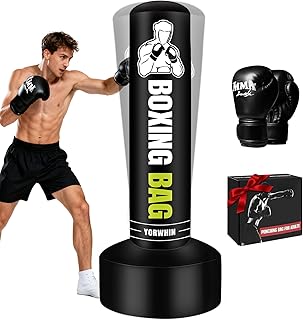


Choosing boxing equipment is less about finding the product with the longest feature list and more about matching the equipment to your training style, experience, frequency and intended use. A beginner attending occasional boxing fitness sessions has different requirements from someone doing regular bag work, technical training, sparring or competition preparation.
For Australian buyers, it is also worth considering the conditions in which equipment will be used. Boxing gyms can become hot during summer, gloves and wraps can accumulate sweat quickly, and equipment that is difficult to clean may deteriorate faster when it is not allowed to dry properly. Before purchasing, compare construction, sizing, padding, closure systems, ventilation, maintenance requirements and the manufacturer's stated intended use.
Well-known boxing and combat-sports brands such as Everlast, Fairtex, Hayabusa, Venum, Rival, adidas, RDX, TITLE and Twins Special offer products across different training categories and budgets. Brand reputation can be useful as a starting point, but the individual model and its specifications matter more than the logo alone.
The phrase "boxing products" covers a broad range of equipment. A useful buying guide should therefore consider the complete training setup rather than focusing only on boxing gloves. Depending on your training goals, the most important purchases may include gloves, hand wraps, headgear, mouthguards, heavy bags, speed bags, bag gloves, boxing shoes, protective equipment and training accessories.
Boxing gloves are one of the most important purchases because the correct glove depends heavily on what you intend to do with it. A glove designed primarily for bag work is not automatically the best choice for partner drills or sparring, and a heavier glove is not necessarily a better glove.
Boxing gloves are commonly specified by ounces. Different weights can be appropriate for different training purposes, but the correct choice can also depend on the athlete's size, gym rules and coach recommendations. Rather than selecting a weight solely because it is popular, check the manufacturer's sizing guidance and ask your coach what your gym requires.
For sparring in particular, do not assume that the same glove weight or model is acceptable everywhere. Gyms can establish their own equipment requirements, particularly concerning padding and glove weight.
Before comparing models, identify whether you need gloves for general training, heavy-bag work, mitts, technical drills, sparring or competition. Some gloves are designed with more specialised construction, while versatile training gloves are intended to cover several activities.
A beginner who wants one pair for general sessions may prioritise versatility and comfort. Someone training frequently may instead benefit from having separate gloves for different purposes, reducing the need to compromise on construction.
Padding is not simply about thickness. Its distribution, density and ability to retain its shape all influence how a glove feels during training. Compare the manufacturer's description of the padding and inspect the shape of the striking area, wrist section and thumb construction.
For sparring, equipment selection should be guided by your coach and gym's rules. Protective padding and appropriate glove design are important considerations when training with a partner.
Hook-and-loop gloves are convenient because they can generally be put on and removed without another person. Lace-up gloves can provide a different type of fit but normally require assistance to secure them properly.
If convenience is a priority for solo training, a well-designed hook-and-loop system may be more practical. If you regularly train in an environment where a coach or training partner can help with equipment, lace-up construction may also be worth considering.
Genuine leather and synthetic materials each have advantages and disadvantages. Leather may appeal to buyers who prioritise traditional construction and long-term use, while synthetic gloves can offer easier cleaning and potentially lower purchase costs depending on the model.
Do not judge durability solely from the material name. Stitching, seams, padding, lining, wrist construction and everyday maintenance all influence how equipment performs over time.
Beginners should resist the temptation to choose equipment based purely on appearance. Comfort, correct sizing and suitability for the intended training environment are more important than colours or branding.
Hand wraps help provide support and create an additional protective layer beneath boxing gloves. They should not be treated as an optional fashion accessory. A glove that feels comfortable without properly supporting the hand does not replace correct wrapping technique.
Wrap length should provide enough material to support the hand and wrist while still allowing a practical fit inside the glove. Longer wraps can provide additional material for wrapping, but the ideal length depends on hand size, wrapping technique and the construction of the wrap.
Traditional cotton wraps can provide a familiar feel and may be relatively straightforward to wash and reuse. Elasticated designs can provide a closer fit and may be easier for some users to position consistently. Compare the fabric, stretch, fastening quality and washing instructions rather than selecting solely on colour.
A heavy bag can become the centrepiece of a home boxing setup, but it requires more planning than buying a pair of gloves. The bag itself is only one part of the installation. The mounting point, ceiling or support structure, surrounding clearance and floor surface all need to be considered.
Heavier bags generally resist movement more strongly, while lighter bags can move more during training. The appropriate weight depends on the athlete, training style, available mounting structure and whether the user wants a relatively stationary target or a bag that moves more readily.
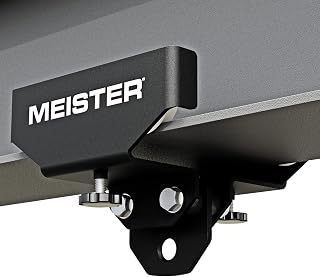
Do not mount a heavy bag to a structure simply because a mounting bracket is advertised as compatible. The supporting structure must be suitable for the load and movement generated during training.
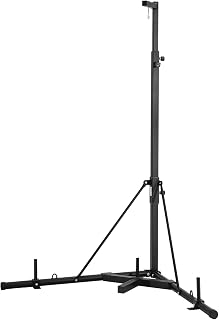
Hanging bags can provide a traditional training experience but require an appropriate structural mounting point. Freestanding bags may be more practical where permanent installation is not possible, although they require sufficient floor space and a stable base.
Apartment dwellers and renters should pay particular attention to installation requirements, vibration, noise and the possibility of damaging floors, walls or ceilings.
Compare the outer covering, stitching, filling construction and manufacturer's care instructions. Bags can use different combinations of textile, synthetic or leather coverings and various filling systems. The goal is not simply to find the hardest surface; consistent construction and a training-appropriate feel are more useful criteria.
Speed bags serve a different purpose from heavy bags. They can be useful for rhythm, timing, coordination and hand-speed drills, while reflex equipment can introduce movement and reaction challenges.
When buying speed-bag equipment, consider the platform or mounting system as well as the bag. A well-made bag will not perform as intended if the platform flexes excessively or the mounting hardware is unsuitable.
Boxing involves frequent lateral movement, pivots, changes of direction and controlled footwork. Boxing shoes are designed around these movement patterns rather than general-purpose running.
When comparing boxing shoes, examine sole grip, flexibility, ankle height, weight, breathability and fit. A shoe that feels secure should not create uncomfortable pressure around the ankle or toes.
Lower designs can provide a less restrictive feel, while higher boxing shoes may appeal to athletes who prefer additional coverage around the ankle. Neither height automatically makes a shoe superior. Fit, movement and personal preference should guide the decision.
Boxing shoes should fit securely enough to prevent excessive movement inside the shoe while leaving sufficient room for the toes. Because different brands use different shapes, do not assume that your usual casual-shoe size will fit identically across every model.
Headgear should be selected according to the type of training for which it is intended and the requirements of the gym or sporting organisation involved. Compare coverage, visibility, padding, fastening systems and overall fit.
Excessive coverage can affect visibility for some users, while minimal coverage may not suit someone seeking a different level of protection. A secure fit is essential because headgear that shifts during movement can become distracting.
Headgear is not a guarantee against concussion or other head injuries. Boxing involves inherent risks, and protective equipment should be used alongside appropriate coaching, controlled training and sensible gym practices.
A mouthguard should remain secure while speaking, breathing and moving. Poorly fitting equipment can become distracting and may not provide the intended level of protection.
When comparing mouthguards, consider whether the product is designed for the intended sport, how it is fitted, the manufacturer's instructions and whether the design is suitable for the athlete. Custom-fitted options may be worth discussing with a qualified dental professional for users who require a more personalised fit.
A home boxing setup should be planned around the available space rather than built by purchasing equipment first and solving installation problems later.
Measure the training area before buying. Include the movement around a heavy bag, not just the dimensions of the bag itself. You need enough clearance to move safely, change stance, throw combinations and avoid contact with nearby furniture or walls.
Heavy-bag training can transmit impact and vibration through a building. This is especially relevant in apartments, townhouses and rooms located above occupied areas. Consider the construction of the building and the mounting system before installation.
A suitable training surface can improve stability and help protect flooring. Rubber gym flooring or another purpose-designed surface may be appropriate depending on the room, but the surface should remain stable and compatible with the intended exercises.
Brand comparison is useful when it helps identify differences in construction, sizing and intended use. It should not become a contest to determine which logo is universally "best".
The best comparison is model against model. Check the exact glove weight, material, padding, closure, intended application and sizing rather than assuming every product from a particular manufacturer performs identically.
A product specification sheet can reveal more than a marketing description. Before purchasing, create a short comparison based on the attributes that actually affect your training.
A general training glove can be versatile, but it may not be ideal for every activity. Bag work, mitt work and sparring can place different demands on equipment. If you train frequently, using equipment specifically suited to each activity can make more sense than forcing one product to cover every situation.
The cheapest product is not necessarily the best value, while the most expensive product is not automatically the best choice. Evaluate expected use, construction, comfort, durability-related features, replacement cost and maintenance.
Incorrect sizing can undermine an otherwise good product. Pay particular attention to hand circumference, finger position, wrist fit and shoe width where the manufacturer provides measurements.
Some boxing gyms establish requirements for sparring gloves, headgear, footwear or other equipment. Check these rules before purchasing so that equipment you buy can actually be used for the sessions you attend.
The bag may be perfectly suitable while the planned installation location is not. Confirm the structure, mounting hardware, clearance and load requirements before ordering.
Sweat and moisture are unavoidable during boxing training. Gloves, wraps and protective equipment should be allowed to dry appropriately after use. Leaving damp equipment inside a closed gym bag can create unpleasant odours and contribute to material deterioration.
Good maintenance can help preserve the condition of boxing equipment. After training, remove gloves from the gym bag and allow them to dry in a suitable ventilated location. Follow the manufacturer's cleaning instructions because different materials and linings can require different care.
Storage is particularly important in Australia's warmer months because equipment may remain warm and damp after training. A ventilated equipment bag can be more practical than immediately sealing wet gear in an enclosed compartment.
Hand wraps should be washed according to their care instructions and allowed to dry completely. Mouthguards should be cleaned as directed by the manufacturer and stored in an appropriate ventilated case. Shoes should also be removed from the main equipment bag after training where possible.
Customer reviews can reveal practical details that are not obvious from a specification sheet, but individual opinions should be interpreted carefully. A low rating may relate to sizing, shipping, personal preference or use outside the product's intended purpose rather than an inherent manufacturing problem.
For a more useful assessment, look for recurring themes across verified customer reviews. Pay attention to comments concerning sizing accuracy, glove shape, wrist support, stitching, padding consistency, comfort, durability and long-term use.
Also distinguish between reviews for different sizes or versions of a product. A revised model can have different specifications from an older version carrying a similar name.
Value in boxing equipment comes from the relationship between suitability, construction and expected use. A recreational user may not benefit from paying a premium for specialist features that will never be used. Conversely, someone training several times each week may find that comfort, construction and equipment longevity justify spending more.
When comparing prices, consider the complete setup rather than the headline cost of one product. A boxing glove may require hand wraps, a suitable bag, cleaning supplies and storage. A heavy bag may require mounting hardware and a suitable installation solution. The real cost of a setup can therefore be higher than the advertised price of its central item.
Beginners often prefer a versatile setup because it keeps the initial purchase simple. As training becomes more specialised, separate equipment can become more practical.
Start with equipment that is comfortable, correctly sized and suitable for the classes you actually attend. A sensible beginner setup usually prioritises gloves, hand wraps and any protective equipment required by the gym.
Fitness-focused users may prioritise lightweight, comfortable equipment, breathable materials and easy maintenance. If the training does not involve contact or sparring, there may be little reason to buy specialised competition equipment.
Frequent users should pay greater attention to construction, ventilation, cleaning and durability-related design features. Owning separate equipment for bag work and sparring can also become practical as training volume increases.
Home users need to consider installation and space before product specifications. A premium heavy bag is of limited practical value if there is no safe location to mount it. Freestanding alternatives may be more suitable for some spaces.
Experienced athletes generally have more specific preferences concerning glove shape, wrist support, padding, weight, footwear and equipment feel. At this stage, manufacturer specifications and gym requirements should be combined with individual fit preferences.
Protective equipment can reduce certain risks, but no boxing product eliminates the possibility of injury. Use equipment for its intended purpose, replace damaged protective gear and follow qualified coaching guidance.
Heavy bags and mounting systems deserve particular attention. Inspect mounting hardware and the surrounding structure regularly. Do not continue using equipment that develops significant tears, loose components or structural damage.
For partner training and sparring, follow the rules established by the gym or relevant sporting organisation. Equipment selection should support controlled, responsible training rather than encourage harder or unnecessarily aggressive contact.
A simple scoring framework can make a large selection easier to evaluate. Instead of asking which product has the highest overall rating, assess each candidate against the requirements that matter to you.
A good boxing product is one that fits the user's actual training requirements rather than one that simply looks impressive in a product listing. For gloves, that means appropriate weight, fit, padding and wrist construction. For shoes, it means secure fit, suitable grip and freedom of movement. For heavy bags, it means an appropriate size and construction combined with a safe installation method.
The strongest buying decision usually comes from comparing several products using the same criteria. Check specifications, examine verified customer feedback, consider your training frequency and make sure the product is suitable for the environment in which you will use it.
The best choices depend on the type of training. For most beginners, correctly fitted gloves and hand wraps are foundational purchases, followed by any protective equipment required by the gym. Start with equipment appropriate for your current training rather than buying advanced specialist gear you may not need.
Boxing gloves are generally selected by weight and intended use, while the physical fit also depends on hand dimensions and the glove's internal shape. Follow the manufacturer's sizing information and ask your coach about the glove weight required for your sessions.
They can be worthwhile when the additional construction, materials, fit or features genuinely match your needs and training frequency. Price alone does not establish quality. Compare the exact specifications and intended use before deciding.
Not automatically. Leather may appeal to users who prefer traditional materials, while synthetic construction can have practical advantages depending on the product. Stitching, padding, lining, fit and maintenance remain important factors regardless of the outer material.
Some training gloves are designed for general use and may be suitable for bag work, while other gloves are more specialised. Check the manufacturer's intended use and follow your coach's recommendations, particularly if you also participate in sparring.
They are not necessarily essential for every beginner, but boxing-specific footwear can provide characteristics suited to boxing movement. If you are training regularly, compare grip, flexibility, weight, ankle construction and fit against the demands of your gym.
There is no universal replacement schedule because glove lifespan varies with training frequency, intensity, construction and maintenance. Inspect the padding, seams, lining, wrist fastening and overall structure regularly. Replace gloves when significant deterioration affects their intended function.
Consider bag weight, dimensions, outer material, filling, mounting requirements, available space and the type of training you plan to perform. Installation and structural support should be checked before purchasing a hanging model.
Neither is universally better. Freestanding bags can be practical where permanent mounting is difficult, while hanging bags may suit users with an appropriate structural installation point. Your available space and building constraints should influence the decision.
Allow them to dry after training before storing them in an enclosed bag. Follow the manufacturer's cleaning instructions and avoid excessive heat or unsuitable cleaning chemicals that could damage the material.
Online shopping can make it easier to compare specifications, models and verified customer feedback. The main challenge is fit, particularly for gloves and shoes. Check sizing information carefully and review the retailer's current return conditions before purchasing.
There is no single brand that is best for every boxer. Everlast, Fairtex, Hayabusa, Venum, Rival, adidas, RDX, TITLE and Twins Special all cover different parts of the boxing and combat-sports market. Compare the specific product, not just the brand name.
Compare several products using the same criteria: intended use, fit, materials, padding, construction, maintenance, customer feedback and total cost. Check current prices and specifications at the time of purchase because retail pricing and product availability can change.
The best boxing equipment purchase is the one that remains appropriate after the initial excitement of buying new gear wears off. Prioritise correct fit, intended use, safe construction and realistic maintenance. A product that matches your training routine is generally more useful than one selected solely for its appearance, brand recognition or premium positioning.
Before buying, compare the latest product specifications, check verified customer reviews, confirm gym requirements and review current retailer policies. For larger equipment, measure your available space and verify installation requirements. For protective equipment, follow the manufacturer's instructions and seek qualified coaching or professional advice where appropriate.
Use this guide as a framework for comparing the top boxing products available to Australian consumers in 2026, then narrow your shortlist according to your own training goals, budget, experience and equipment requirements.