

♥ Wishlist
Compare 57 verified Gymnastics Equipment for Training, Practice & Active Play products in Australia. Reviews, ratings, pros, cons and buying advice updated for October 2026.


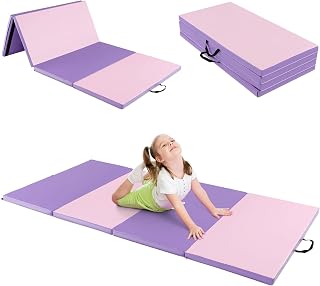


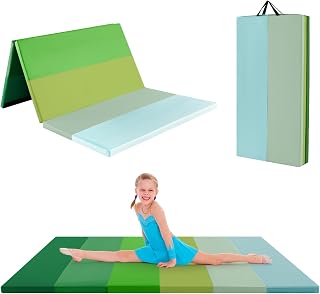


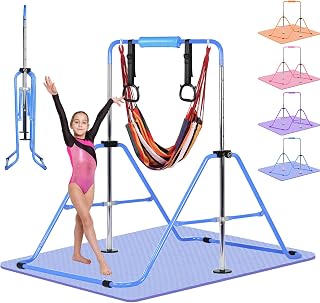


Choosing gymnastics equipment is not simply a matter of selecting the highest-rated item or the product with the most features. The right choice depends on the gymnast's age, skill level, training environment, available space, frequency of use and the type of movements the equipment needs to support. A product that works well for a beginner practising basic body positions may be unsuitable for an advanced gymnast performing dynamic skills.
For Australian buyers, it is also important to consider whether equipment is intended for indoor home use, outdoor training, a dedicated gymnastics room, school use or a club environment. Heat, humidity, storage conditions and flooring can affect how materials perform over time, particularly when equipment is frequently moved or stored in garages and sheds.
Safety should be the first consideration when comparing gymnastics products. Equipment should remain stable during normal use and should be appropriate for the gymnast's size, experience and intended activity. Check the manufacturer's stated weight limits, dimensions and recommended usage before purchasing.
Products that involve elevated positions, swinging, jumping or inversion require particular attention to stability and the surrounding training area. A sturdy piece of equipment can still become unsafe if it is placed on an unsuitable surface or used without adequate clearance.
Materials influence durability, comfort and maintenance. Common materials found in gymnastics equipment include steel or aluminium frames, hardwood or engineered wood components, high-density foam, EVA foam, PVC coverings and synthetic fabrics.
Metal frames should have secure joints and a finish appropriate for the intended environment. Wooden components should be properly finished and free from obvious damage, splinters or structural defects. Padding should provide appropriate cushioning without being so soft that it compromises stability during balance work.
Always measure the training area before ordering large gymnastics equipment. The product's stated dimensions are only part of the calculation. The gymnast also needs sufficient space to mount, dismount, move around and perform the intended exercises safely.
For apartments and smaller homes, compact equipment such as folding mats, balance beams designed for floor use and portable training accessories can be more practical than full-size apparatus. Larger households may have more flexibility, but equipment should still have a defined storage location when it is not being used.
Portable gymnastics equipment can be particularly useful for Australian families who need to clear training areas regularly. Look for practical features such as folding sections, manageable weight, carrying handles and designs that can be stored vertically or horizontally without damaging the product.
Storage also protects equipment. Mats and padded products should generally be kept away from prolonged moisture, excessive heat and direct sunlight unless the manufacturer specifically states that the materials are suitable for those conditions.
A suitable mat is one of the most useful additions to a home gymnastics setup. Mats can provide a defined training surface for stretching, rolls, handstand drills, cartwheels and other floor-based exercises.
When comparing mats, consider thickness, density, dimensions, folding configuration, surface material and how securely the mat stays in place. A very thick mat is not automatically better for every activity. Excessive softness can change the way the gymnast lands or balances, while a firm training mat may be preferable for controlled floor drills.
Popular manufacturers and brands in the wider gymnastics and fitness equipment market include Airex, Tumbl Trak and We Sell Mats. Availability, specifications and suitability should always be checked for the particular model rather than assumed from the brand name alone.
Home balance beams vary substantially in height, width, length and construction. Beginner-oriented floor beams are generally easier to approach because the gymnast trains closer to the ground. Higher apparatus requires considerably more attention to the surrounding safety area and supervision.
Compare the beam's working surface, base design, padding, dimensions and weight capacity. A stable base is particularly important because even small movements can affect confidence and technique during balance exercises.
Training bars can be useful for practising strength, body positions and selected gymnastics movements. However, buyers should distinguish between low training bars intended for basic practice and equipment designed for more advanced skills.
Important specifications include frame construction, bar diameter, height adjustment, base dimensions, maximum user weight and whether the equipment is designed for static drills or dynamic movement. Do not assume that a visually similar children's bar and a competition-style apparatus have equivalent capabilities.
Gymnastics rings can provide a versatile strength and body-control training option. They require a suitable overhead attachment point and adequate clearance. The straps, buckles, rings and mounting arrangement should all be inspected regularly.
For home use, the attachment system is just as important as the rings themselves. A high-quality ring set cannot compensate for an unsuitable anchor point or poorly installed mounting hardware.
Foam wedges, incline mats and training blocks can assist with progressive skill development. They are commonly used for drills involving rolls, handstands, bridges and body positioning.
When choosing foam equipment, compare density, dimensions, covering material and firmness. A wedge should maintain its shape under normal use and should not slide excessively across the training surface.
Beginners generally benefit most from equipment that encourages fundamental movement patterns rather than advanced apparatus. A quality floor mat, low balance beam, basic training accessories and suitable stretching equipment can provide a versatile starting setup.
Parents should prioritise equipment that is easy to supervise and appropriate for the child's current abilities rather than buying equipment based on skills the child may eventually learn.
Intermediate athletes may require equipment that supports more specific drills and greater training variety. At this stage, adjustability and construction quality become increasingly important because the equipment may experience more frequent and demanding use.
Before purchasing, identify the exact skills being practised and determine whether the equipment is designed for those movements. A general-purpose product may not provide the stability or dimensions needed for specialised training.
Advanced gymnastics training requires considerably more careful equipment selection. Dynamic movements, greater forces and more complex skills place different demands on apparatus, flooring and surrounding clearance.
For advanced training, buyers should consider professional coaching requirements and whether the equipment meets the specifications expected by the relevant gymnastics organisation or training facility. Home equipment should not be treated as a substitute for appropriately supervised specialist training.
A home gymnastics setup should be designed around the space available rather than around a shopping list of equipment. Start by identifying the movements that can safely be performed in the available room, then select equipment that supports those activities.
Comparing products by star rating alone can produce misleading results. Ratings may combine feedback from users with very different expectations and usage patterns. Instead, examine the specifications alongside customer feedback.
Weight capacity is an important specification for bars, beams, rings, training blocks and other load-bearing equipment. Leave an appropriate margin rather than selecting a product that is only just within the user's weight range.
Adjustable equipment can accommodate changing needs, but more adjustment points also mean more components that need to be secured correctly. Check how adjustments are locked and whether the mechanism is practical for the intended user.
Grip requirements differ between equipment types. A balance beam needs a predictable surface for foot placement, while a floor mat should provide a stable training surface without becoming excessively slippery.
For folding mats and modular products, examine how sections connect and whether gaps develop during normal use. Repeated folding can also place stress on hinges, seams and coverings, making construction quality particularly relevant for frequent users.
Bright colours and attractive designs can make equipment appealing, but appearance tells you little about structural suitability. Start with the intended exercise and required specifications.
Price should be considered alongside construction, dimensions, safety features, expected frequency of use and replacement costs. An inexpensive product may not be economical if it is unsuitable for the intended training or deteriorates quickly.
Even good equipment can perform poorly on an unsuitable floor. Smooth tiles, polished timber and other surfaces can affect traction and stability. The compatibility between the equipment and the floor should therefore be assessed before purchase.
Advanced apparatus can introduce unnecessary risk when used by beginners without appropriate coaching. Select equipment based on current ability and supervised training requirements.
Australian homes can expose stored equipment to considerable temperature changes, particularly in garages, sheds and enclosed outdoor areas. Check manufacturer care instructions and avoid assuming that an indoor product is suitable for permanent outdoor storage.
Regular inspection is one of the simplest ways to identify problems before equipment becomes unsuitable for use. The exact maintenance procedure should follow the manufacturer's instructions for the particular product.
Children's gymnastics equipment should be selected according to the child's size, developmental stage and supervised activities. A product marketed for children is not necessarily appropriate for every child in that age group.
Parents should check recommended age ranges, user weight limits and intended activities. Adult supervision remains important for equipment involving height, inversion, swinging or dynamic movement.
It is also worth considering how quickly a child may outgrow a product. Adjustable equipment can offer greater flexibility, but only when every available setting remains appropriate and safe for the intended use.
Limited space does not necessarily prevent useful gymnastics practice. Folding mats, compact balance equipment and portable training aids can provide useful options where a permanent apparatus installation is impractical.
Before purchasing, measure the storage location as well as the training area. A product that fits on the floor may still be difficult to store if it cannot pass through doorways or cannot be positioned safely when folded.
Indoor equipment generally benefits from a more controlled environment, while outdoor use introduces additional considerations such as moisture, ultraviolet exposure, temperature changes and uneven surfaces.
Do not assume that a product described as portable is designed for permanent outdoor use. Check the manufacturer's instructions regarding exposure to weather and storage. Metal components, fabrics, foam and adhesives can all respond differently to prolonged environmental exposure.
Specifications deserve careful attention because two products with similar photographs can have substantially different construction and intended uses.
Customer reviews can reveal useful information that is not obvious from specifications, particularly regarding assembly, storage, ease of adjustment and everyday usability. However, individual reviews should not be treated as definitive evidence of product quality.
Look for recurring themes across multiple reviews. Consistent comments about stability, dimensions, assembly or durability are generally more informative than isolated statements. Also check whether reviewers describe using the product in circumstances comparable to your own.
When comparing Amazon listings or other Australian retailers, pay attention to the exact model and configuration being reviewed. Product pages can contain multiple sizes or versions, and feedback may not always relate to the same specification you are considering.
Brand recognition can be useful as a starting point, but it should never replace model-level research. Established names associated with gymnastics, training and fitness equipment include Tumbl Trak, Airex, Spieth and related specialist manufacturers. General sporting-goods brands such as Decathlon and Rebel Sport may also offer equipment relevant to recreational users.
The appropriate choice depends on the specific product rather than the brand alone. Compare construction, intended use, dimensions, weight limits, materials and current manufacturer information for the exact model.
Home training products can be useful for basic practice, conditioning and recreational activity, but they are not interchangeable with professional club equipment. If a gymnast is training advanced skills, competing regularly or working with high-difficulty apparatus, equipment selection should be discussed with a qualified coach or gymnastics facility.
Professional environments also provide appropriate flooring, landing areas, spotting equipment and supervision that cannot necessarily be replicated in a residential room.
The best value is not necessarily the lowest purchase price. Consider how frequently the equipment will be used, how long it is expected to remain suitable, whether it can support the gymnast's development and how practical it is to store.
A frequently used piece of equipment may justify greater attention to materials and construction, while occasional recreational use may call for a simpler solution. Compare the total functionality of each option rather than focusing on one headline specification.
Before choosing from a list of gymnastics products, identify the exact training purpose first. Decide whether the priority is floor practice, balance training, strength work, flexibility, children's recreational activity or more specialised skill development.
Then compare dimensions, materials, weight limits, stability, adjustability, portability and maintenance requirements. Check the current specifications for the exact model, read verified customer feedback, compare current retailer information and confirm that the product is appropriate for the intended training environment.
For Australian buyers, also consider the practical realities of your home, including available floor space, storage, climate exposure and the ability to supervise use. A product that matches the gymnast, training goal and environment is generally a better choice than one selected solely because it has a high rating or a low price.
A suitable gymnastics mat is often a practical starting point, followed by equipment that supports basic balance, flexibility and body-control exercises. The ideal combination depends on the gymnast's age, skill level and training goals.
Compare dimensions, thickness, foam density, surface material, folding design, stability and storage requirements. Also consider whether the mat is intended for the particular exercises you plan to perform.
Not necessarily. Home bars vary considerably in construction and intended use. Check the exact manufacturer's specifications and seek qualified coaching advice before using any apparatus for advanced or dynamic skills.
Consider the gymnast's ability, beam height, width, length, padding, base stability, weight capacity and available floor space. A low floor-level design may be more appropriate for beginners than elevated equipment.
It depends on the product and the manufacturer's storage recommendations. Garages can experience temperature fluctuations and humidity that may affect foam, fabrics, adhesives, wood and metal components.
Inspect equipment regularly and before use, particularly when it is used frequently or by children. The inspection should focus on structural components, fasteners, padding, coverings, straps and other parts relevant to the equipment.
No. Price alone does not establish suitability. A more expensive product may include features that are unnecessary for a beginner, while a lower-priced product may lack specifications needed for more demanding training. Match the equipment to the intended use.
Ratings can be useful but should be considered alongside specifications and the substance of customer feedback. Look for recurring comments from users with similar needs and verify that reviews relate to the exact model or configuration.
Suitability is the most important factor. The equipment should be appropriate for the gymnast's ability, body size, intended activity, training environment and available space, while remaining within the manufacturer's stated limitations.
Some low-risk activities may be appropriate under normal household supervision, but equipment involving height, swinging, inversion or dynamic movement requires particular care. Follow manufacturer guidance and use qualified coaching where appropriate.
The best gymnastics product in Australia is the one that safely fits the gymnast's needs rather than simply the product with the highest rating. Compare the exact model's specifications, construction, dimensions, weight limits, intended use and maintenance requirements before making a decision.
Use customer feedback as supporting evidence, not as a substitute for technical specifications. Consider Australian storage and environmental conditions, especially when equipment will be kept in garages or used outdoors. Most importantly, choose equipment appropriate to the gymnast's current ability and use it within the manufacturer's stated limitations.