

♥ Wishlist
Compare 49 verified Futsal Equipment for Training, Matches & Practice products in Australia. Reviews, ratings, pros, cons and buying advice updated for October 2026.


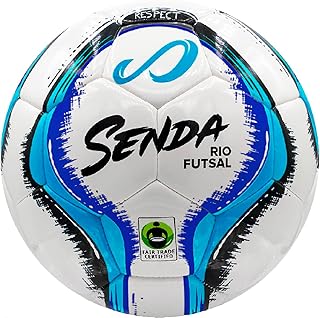


Choosing futsal equipment is not simply a matter of selecting the most expensive ball, shoes or training accessory. The right combination depends on the playing surface, competition rules, frequency of use, player position, age, skill level and whether the equipment is intended for match play, training or casual games. Australian buyers should also consider local court conditions, indoor versus outdoor use, sizing conventions and the availability of replacement equipment.
A useful buying decision starts by separating products into their actual purpose. A futsal match ball has different construction priorities from a football used on grass, while futsal shoes need characteristics that are suited to flat indoor surfaces rather than studded outdoor pitches. Similarly, goalkeeper gloves, shin guards, training cones, rebounders, bags and pumps should be judged according to how they will be used rather than by brand recognition alone.
The ball is the most important piece of equipment for any futsal player, and its construction has a noticeable effect on passing, receiving, shooting and close control. Futsal balls are generally designed to behave differently from conventional outdoor footballs, particularly in relation to bounce and control.
Before buying, check the competition or training requirements that apply to the player. Futsal balls are commonly associated with a smaller format than standard outdoor footballs, and official competition specifications can vary according to age group and governing body. Do not assume that every ball described as a “futsal ball” is suitable for every organised competition.
For junior players, always check the age-specific requirements before purchasing. A ball that feels comfortable for a recreational adult player may not be the appropriate choice for a younger participant.
One of the defining characteristics of a futsal ball is its reduced bounce. This helps players maintain possession and execute quick passes on hard indoor surfaces. When comparing balls, look beyond appearance and examine the manufacturer's stated construction, intended playing environment and competition suitability.
The outer cover influences touch, durability and resistance to surface wear. Synthetic materials are common because they can provide a consistent playing surface while tolerating repeated contact. Panel construction also matters because seams, bonding and overall construction influence how the ball responds to impacts and repeated use.
A softer-feeling cover may appeal to players who prioritise touch, while a more durable construction can make greater sense for schools, clubs and frequent training sessions. The best balance depends on how often the ball will be used and who will use it.
Futsal footwear deserves particular attention because the wrong sole can affect traction, movement and comfort. Unlike outdoor football boots, indoor futsal shoes are generally designed around flat, court-oriented outsoles rather than traditional studs.
A non-marking outsole is an important consideration for indoor courts. Many venues have specific footwear requirements, so buyers should check the rules of their local facility before purchasing. A shoe that is technically suitable for indoor football may still be unsuitable if its outsole leaves marks or does not provide the required court grip.
Futsal involves frequent acceleration, stopping, turning and lateral movement in a confined area. Good court footwear should therefore provide a stable connection with the playing surface without feeling excessively restrictive.
Do not judge grip solely from the tread pattern shown in a product photograph. Rubber compound, outsole geometry, court cleanliness and the actual playing surface all influence traction.
Leather and synthetic uppers can offer different combinations of flexibility, durability, weight and touch. A player who values close ball control may prefer a particular upper feel, whereas someone training several times a week may place greater emphasis on durability and ventilation.
Futsal shoes should feel secure without creating excessive pressure around the toes or forefoot. Excess movement inside the shoe can reduce stability, while an overly tight fit can become uncomfortable during longer sessions.
Australian buyers should check the individual manufacturer's sizing chart rather than assuming that the same numerical size will fit identically across adidas, Nike, Puma, Joma, Mizuno and other footwear brands.
Beginners generally benefit from dependable equipment rather than highly specialised products. A suitable futsal ball, comfortable indoor shoes, basic shin protection, socks and a practical equipment bag cover most requirements.
There is little benefit in paying for advanced features that the player will not notice or use. Comfort, correct sizing, durability and suitability for the intended court should take priority.
Regular club players should pay closer attention to construction quality, fit, durability and competition compatibility. Footwear becomes especially important because frequent sessions expose shoes to considerably more wear than occasional recreational games.
Players who train several times per week may also benefit from owning dedicated match and training equipment, depending on their budget and playing schedule.
Children's equipment should be selected with growth, sizing and safety in mind. Avoid buying substantially oversized shoes simply because a child may grow into them. Poorly fitting footwear can affect comfort and stability.
For junior balls, confirm the required size and specification with the club, school or competition organiser. Equipment requirements can differ between age groups.
Goalkeepers have different equipment priorities from outfield players. Gloves, protective clothing, suitable footwear and appropriate sizing deserve individual consideration. Glove selection should take into account fit, palm construction, finger protection requirements, weather or indoor conditions and the balance between grip and durability.
Brand reputation can be useful as a starting point, but it should not replace product-level comparison. Established sports brands such as adidas, Nike, Puma, Joma, Mizuno, Select, Mitre and Uhlsport offer products across different segments, and specifications can vary substantially between models.
When comparing brands, examine the actual product specifications rather than assuming that a premium brand automatically provides the best choice. Consider intended use, materials, construction, sizing, court compatibility, durability and the availability of independent customer feedback.
Shin protection should provide adequate coverage while allowing natural movement. The ideal design should stay in position during repeated sprinting and changes of direction without creating unnecessary bulk.
When comparing shin guards, consider shell construction, coverage, fastening method, ventilation and compatibility with the player's socks. Children may require a different balance between protection and weight than adult players.
Protection should also be checked regularly. Cracked shells, damaged straps or deteriorated fastening systems are reasons to inspect the equipment carefully before continued use.
Goalkeeper gloves should be selected according to fit, intended playing conditions and the player's priorities. A close fit can provide a more secure feel, while excessive tightness can become uncomfortable.
Pay particular attention to the palm material. Different palm constructions can offer different combinations of grip, cushioning and durability. Gloves intended for frequent training may need to prioritise durability differently from gloves reserved for important matches.
Finger protection is another consideration. Some gloves incorporate protective elements intended to reduce excessive finger movement. Buyers should understand what type of protection is provided rather than assuming that every goalkeeper glove offers the same level of support.
A dedicated equipment bag can make regular training more convenient, particularly for players carrying shoes, clothing, shin guards, a ball and personal accessories. The most useful bag is not necessarily the largest one.
Players who want to improve technical ability can add relatively simple training equipment. Cones, markers, agility equipment, rebounders and portable goals can help structure individual or team sessions.
The important consideration is whether the equipment supports a specific training objective. A large collection of accessories is not automatically better than a small set of versatile items that can be used for passing, dribbling, movement and finishing exercises.
Choose cones that are visible, stable and appropriate for the surface. Flexible training markers can be useful where players are expected to move over or around them, while taller cones may be more visible during structured drills.
A rebounder can be useful for solo passing and first-touch practice. Compare frame construction, net tension, size, portability and stability. A rebounder should be matched to the available training space rather than selected solely by its advertised dimensions.
Portable goals are useful for training where permitted, but buyers should consider frame stability, assembly requirements, storage dimensions and the intended playing surface. Always follow the manufacturer's safety instructions and use appropriate anchoring where required.
Not all products marketed for futsal are equally suitable for every environment. Indoor courts can have smooth wooden, synthetic or other hard surfaces, while recreational outdoor futsal-style play may take place on different surfaces.
Footwear is particularly sensitive to this distinction. A court shoe designed for indoor use should not automatically be treated as an outdoor all-purpose football shoe. Similarly, a ball exposed to abrasive outdoor surfaces may experience more cover wear than one used exclusively indoors.
Material choice should always be evaluated alongside construction. A premium-sounding material description does not by itself guarantee long service life.
For balls, inspect the cover, stitching or bonding, valve area and panel construction. For shoes, examine the outsole-to-upper connection, toe area, heel structure and areas that experience repeated flexing. For bags, pay attention to seams, handles, straps and zipper construction.
Frequent players should place more emphasis on durability than buyers who play only occasionally. Conversely, recreational users may prefer a lighter or more comfortable product if the equipment will experience relatively little wear.
Traditional studs are not a substitute for an appropriate indoor court outsole. Before purchasing footwear, identify the actual court surface and venue requirements.
Bright colours, popular player-inspired designs and attractive graphics can influence a purchase, but they tell you little about fit, durability or performance. Specifications should come first.
Footwear sizing can differ between brands and even between models. Always review the manufacturer's measurements where available and consider the shape of the shoe.
Higher prices can reflect materials, construction or additional features, but those features may not be valuable for every player. Compare the benefits against your actual requirements.
A conventional outdoor football can behave differently from a dedicated futsal ball. If close control and low-bounce behaviour are priorities, select a product specifically designed for futsal.
Organised leagues may specify equipment requirements. Before buying for competitive use, confirm the relevant rules rather than relying on generic product descriptions.
Value is better understood as suitability over the useful life of the product rather than simply the lowest purchase price. A cheaper shoe that wears quickly or causes discomfort may offer less value than a better-fitting alternative.
Customer reviews are most useful when they are treated as supplementary evidence rather than absolute proof. Look for recurring comments across multiple reviews, especially when buyers independently mention the same issue.
Pay attention to reviews that explain the context of use. A player using shoes several times per week on a particular court provides different information from someone who wore them once for casual play.
When reading reviews for footwear, look for repeated comments about sizing, width, comfort, traction and durability. For balls, look for feedback about shape retention, touch, bounce and cover wear. For bags, recurring comments about capacity, straps and zippers are more informative than general statements such as “great quality.”
Good maintenance can help preserve footwear condition. After playing, remove loose dirt and allow shoes to dry naturally in a ventilated area. Avoid exposing footwear to excessive direct heat because high temperatures can affect adhesives and materials.
Do not leave heavily damp shoes sealed inside a sports bag for extended periods. Regularly inspect the outsole, upper, laces and internal lining. If the sole begins to lose its intended grip or the upper develops significant structural damage, replacement may be more appropriate than continued use.
Use the recommended inflation pressure and check the ball periodically rather than waiting until it feels noticeably different. Store it away from excessive heat, sharp objects and conditions that could unnecessarily damage the cover.
After outdoor use, clean the surface appropriately and allow it to dry before storage. Avoid aggressive cleaning methods that could damage the cover or seams.
Keeping equipment organised makes it easier to identify damaged or missing items before training. Store footwear separately where possible and avoid leaving wet clothing, towels or equipment inside a closed bag for prolonged periods.
Schools and clubs have different purchasing priorities from individual players. Equipment used by many people generally needs to withstand frequent handling, repeated use and varied storage conditions.
For shared equipment, durability and ease of maintenance can be more important than premium cosmetic features. It can also be useful to standardise ball specifications, equipment sizes and storage procedures so coaches and players know what is available.
When buying multiple items, compare the specification of each product rather than assuming that a bulk selection of the same model will meet every age group and playing requirement.
Product ranges, model names, specifications and retailer pricing can change during the year. For that reason, a 2026 buying guide should be treated as a framework for comparing currently available products rather than as a permanent ranking.
Before purchasing, verify the current product specification, size availability, intended use, customer feedback and retailer terms. This is particularly important for footwear because manufacturers can update colourways or model generations while retaining similar product names.
For a new player, the most important purchases are usually suitable indoor footwear and an appropriate futsal ball. Protective equipment and accessories can then be selected according to playing level and personal requirements.
Yes. Futsal shoes are designed for court surfaces and typically use flat, court-oriented outsoles rather than traditional outdoor football studs. Always confirm the footwear requirements of the venue where you play.
You can use a conventional football for some informal activities, but it will not necessarily provide the same characteristics as a dedicated futsal ball. A proper futsal ball is generally designed around the playing requirements of the smaller indoor game.
Start with the applicable competition rules. Check size, weight, construction and other specifications before comparing brands and models. A product being marketed as a futsal ball does not automatically mean it meets every competition's requirements.
No. The best shoe is the one whose fit, outsole, construction and features match the player's needs. A lower-priced model can be the more sensible choice when its specifications adequately cover the intended use.
Established brands including adidas, Nike, Puma, Joma, Mizuno, Select, Mitre and Uhlsport can be useful starting points for comparison. However, buyers should evaluate the individual model rather than selecting purely by brand.
There is no universal replacement interval because wear depends on playing frequency, court type, player movement and shoe construction. Inspect the outsole, upper, cushioning and structural integrity regularly and replace footwear when its condition affects fit, stability or intended performance.
Not necessarily. There is no requirement for a ball, shoes, shin guards, gloves and bag to come from one manufacturer. Comparing each item independently can make it easier to find the appropriate specifications and fit.
Focus on the manufacturer's sizing information, outsole type, intended court surface, upper construction, cushioning, fit and recent customer feedback. Also review the retailer's current return and exchange conditions before purchasing footwear.
Check the size, weight, low-bounce characteristics, construction, intended surface, inflation guidance and competition suitability. Product photographs alone are not enough to establish whether a ball is right for your needs.
The strongest purchasing decision comes from matching the product to the player and the playing environment. Start with the court, competition requirements and frequency of use, then compare fit, construction, materials, durability and customer feedback. Brand reputation can narrow the field, but the specifications of the individual product should determine the final choice.
For Australian buyers in 2026, it is also sensible to verify current specifications and retailer information immediately before purchasing. Product generations, sizes, colours and pricing can change, so an older recommendation should not be treated as proof that the same model remains the best current option.
Whether you are equipping a junior player, upgrading club gear or preparing for regular competitive futsal, a careful comparison of the ball, footwear, protection and accessories can prevent common buying mistakes and produce a kit that is better suited to actual playing conditions.