

♥ Wishlist






Keeping waste organised can make kitchens, living areas, workspaces and outdoor areas easier to manage. The Trash Compost Recycling category brings together practical products for everyday rubbish disposal, recycling and composting. Whether you need a straightforward bin for general waste, a dedicated container for recyclable materials or a convenient way to collect food scraps, choosing the right waste-management products can help create a cleaner and more organised space.
Australian households often manage several types of waste at the same time. General rubbish, recyclable packaging, food scraps and garden waste may require different handling methods. A suitable combination of bins and composting accessories can make separation easier and encourage more consistent household waste routines. When shopping online, consider the type of waste you produce, available space, capacity requirements and how frequently each container will need to be emptied.
Trash bins are useful for kitchens, bathrooms, bedrooms, offices, garages and outdoor areas. Look for a size that fits your available space while providing enough capacity for your normal rubbish volume. Smaller bins can suit rooms where waste is limited, while larger options may be more practical for busy kitchens, family areas or shared spaces.
Think about where the bin will sit before choosing a product. Under-bench and compact designs can help save space, while larger freestanding bins may suit utility areas. Easy-to-clean surfaces and practical openings can also make regular waste disposal more convenient. For households with children or pets, stable placement and a suitable lid design may be additional considerations.
Recycling products can help separate materials before collection or disposal. Dedicated recycling bins and sorting containers can provide a clear place for commonly recycled household items such as paper, cardboard, cans and suitable packaging. A well-organised recycling area can reduce confusion and make sorting part of the normal household routine.
Before purchasing recycling storage, consider how much recyclable material your household typically generates. Multi-compartment solutions can be useful where several waste streams need to be separated, while individual containers may work well when you already have an established sorting system. Always follow the recycling requirements of your local Australian council, as accepted materials and collection arrangements can vary between areas.
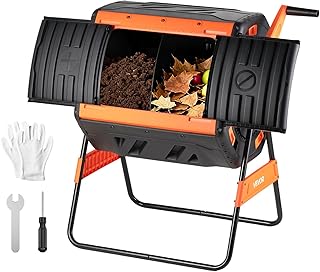
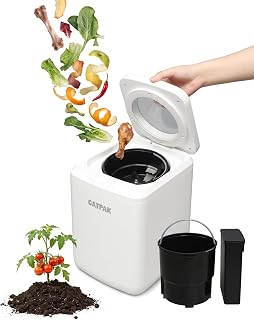
Composting can provide an alternative way to manage suitable organic waste. A kitchen compost caddy can offer a convenient place to collect food scraps before they are transferred to an appropriate composting system. Depending on the product and your setup, composting solutions may be suitable for kitchen scraps, garden materials or other compostable organic matter.
When selecting a compost container, consider capacity, ventilation, cleaning requirements and where you plan to keep it. A compact caddy may be convenient for a kitchen bench, while a larger outdoor solution can suit households with more organic material. Check product instructions carefully to understand what materials can be placed inside and how the system should be maintained.
Different areas of a home can benefit from different waste-storage solutions. Kitchens generally need convenient access for food packaging and food scraps. Bathrooms may require compact bins for everyday waste. Garages, laundries and outdoor areas can benefit from larger-capacity containers suited to their particular waste types. Offices and study spaces may also need compact solutions for paper and general rubbish.
For households with limited storage space, measure the intended location before buying. Pay attention to width, depth and height as well as capacity. For outdoor use, consider whether the product is designed for the environment in which it will be placed and whether it can be secured appropriately.
Start by identifying the waste streams you need to manage. Then consider capacity, dimensions, opening style, lid design, material, cleaning requirements and placement. If several people use the same space, clear separation can make the system easier to understand. For kitchens, convenience is especially important because waste is handled frequently throughout the day.
It can also help to consider your local waste-collection arrangements before establishing a recycling or composting system. Australian councils can have different rules for kerbside recycling, green waste and food-organics services. Use local council guidance alongside the product instructions to decide how each waste stream should be handled.
A dedicated waste-management setup can make everyday disposal more straightforward. Clearly separated containers help household members identify where different materials belong. Compost collection can keep suitable food scraps separate from general rubbish, while recycling storage can make recyclable materials easier to gather for collection.
The right products can also help keep waste areas more orderly. Choosing suitable capacities and placing containers where waste is generated most often can reduce unnecessary movement around the home. Regular emptying and cleaning can further support a hygienic waste-management routine.
From everyday rubbish storage to recycling organisation and compost collection, the right products can help create a practical waste-management system. Explore the Trash Compost Recycling category to compare options based on your household needs, available space and preferred routine. Consider product dimensions, capacity and intended use carefully so your chosen solution fits naturally into your home.
Make everyday waste management simpler with practical trash, compost and recycling products for Australian homes and everyday spaces. Explore solutions designed to help organise rubbish, separate recyclable materials and manage food scraps with greater convenience.