

♥ Wishlist
Compare 66 verified Tactical Personal Defence Essentials for Australia products in Australia. Reviews, ratings, pros, cons and buying advice updated for October 2026.


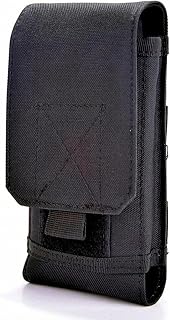


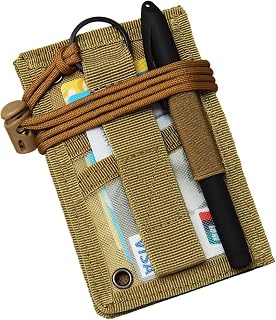


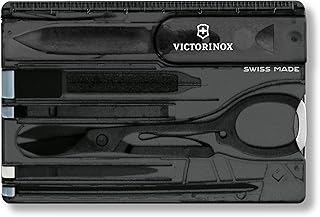


Choosing a personal defence product in Australia requires more than comparing ratings, materials, dimensions and advertised features. The most useful product is one that supports your safety plan, is practical to carry or keep accessible, and can be legally possessed and used where you live. Australian weapons laws vary between states and territories, and an item marketed overseas as “self-defence” may be restricted or prohibited in Australia.
For that reason, this guide focuses on practical personal-safety equipment such as personal alarms, high-output torches, safety lights, phone-based emergency features, door and window security devices, and other non-weapon products. Always verify the current rules in your state or territory before purchasing or carrying any product that could be classified as a weapon or dangerous article.
Australia does not have one simple nationwide rule that makes every self-defence product legal or illegal. State and territory legislation can treat particular devices, weapons and dangerous articles differently. The intended purpose of an item can also matter.
For example, Victoria Police states that self-defence is not a lawful excuse for carrying controlled weapons or dangerous articles and specifically identifies personal alarms and whistles as alternative options. Queensland Police similarly advises that carrying an offensive weapon for self-defence is not permitted and gives examples including mace, spray dyes and a knife carried for that purpose.
This is particularly important when shopping online. Product descriptions, overseas reviews and American “EDC” terminology are not reliable indicators of Australian legality. Before purchasing an item marketed as a defensive weapon, check the relevant police or government authority for the state or territory in which you intend to possess or carry it.
Some products commonly marketed internationally as personal-defence equipment can be subject to substantial restrictions in Australia. This includes various sprays, electric incapacitation devices, batons, certain knives and other articles designed to disable or injure another person.
Victoria Police, for example, lists body armour, extendable batons and oleoresin capsicum spray among items subject to exemptions or strict controls. It also states that self-protection or self-defence is not a lawful excuse for possessing prohibited weapons. Queensland Police identifies electrical antipersonnel devices and various batons and other items within its weapons-control framework.
New South Wales also regulates defence or anti-personnel sprays under its prohibited-weapons framework. These examples demonstrate why an Australian buying guide should not simply reproduce overseas lists of “best self-defence weapons.”
The primary purpose of a personal alarm is to attract attention. Look beyond a headline volume figure and consider whether the alarm can be activated quickly, whether the controls are easy to identify by touch, and whether the sound continues without requiring complicated operation.
A pull-pin, button, keychain mechanism or other activation system should be evaluated according to how you expect to use the product. A complicated sequence may be less practical than a simple mechanism that can be operated quickly under stress.
Check whether the alarm uses replaceable batteries or an integrated rechargeable battery. Rechargeable models require periodic charging, while replaceable-battery models require replacement intervals and appropriate spare batteries. Either design can work well when maintained properly.
The best alarm is one you are actually willing to carry. Look for a size and attachment method that works with your normal clothing, handbag, backpack, keys or other everyday equipment.
An alarm that activates accidentally can become inconvenient, particularly when attached to keys. Look for a mechanism that balances quick access with reasonable resistance to accidental activation.
A torch should primarily be considered a lighting tool rather than a weapon. Its everyday usefulness is one reason it can be a practical addition to a personal-safety setup.
A broad beam is useful for illuminating paths, parking areas and nearby surroundings, while a more focused beam can help identify objects at greater distances. A versatile beam pattern may be more useful for everyday carry than a highly specialised design.
Maximum brightness is not the only specification that matters. Consider the available brightness modes, beam consistency, controls, heat management and whether the light can be operated without repeatedly cycling through unwanted modes.
USB-rechargeable torches can be convenient for regular users, while models using replaceable cells may suit people who prefer to carry spare batteries. Check charging requirements and battery compatibility before buying.
For outdoor use, look for a clearly stated ingress-protection or water-resistance rating where available. A torch carried during commuting or outdoor activities should be able to cope with the conditions in which you realistically expect to use it.
For walking, cycling, running and commuting after dark, visibility can be as important as emergency equipment. Clip-on lights, reflective bands, illuminated accessories and high-visibility clothing can help make a person easier to identify in low-light environments.
When comparing these products, consider attachment security, battery life, charging method, visibility from different angles and whether the product remains comfortable during movement. Reflective material can complement active lighting because it works by returning light from headlights or other sources rather than relying entirely on a battery.
Door security should be assessed as a system rather than by one component. The door, frame, hinges, locks and surrounding structure all influence overall resistance to forced entry. Before purchasing reinforcement hardware, confirm compatibility with the existing door and frame.
Depending on the property, useful measures can include suitable window locks, security screens, contact sensors and other alarm components. Tenants should check their rental agreement and obtain appropriate permission before making permanent alterations.
Motion-activated lighting can improve visibility around entrances, garages, paths and driveways. Consider detection range, activation time, adjustment options, weather resistance and whether neighbouring areas could trigger unwanted activations.
When evaluating cameras, compare image quality, night performance, field of view, storage arrangements, notification controls, power requirements and network connectivity. A camera that produces useful footage is more valuable than one selected solely for a high headline resolution.
A smartphone can be an important safety tool because it combines communication, location services and emergency functions. Depending on the device and settings, users may be able to configure emergency contacts, location sharing and emergency calling features.
Do not assume these features will work under every condition. Mobile coverage, battery level, device settings and network availability can affect access. A portable power bank can therefore be a practical accessory for people who spend long periods away from a charging source.
This is one of the most important mistakes to avoid. A product can be widely sold in another country and still be restricted in an Australian jurisdiction. Always check local requirements before purchasing or carrying a defensive device.
More brightness, louder sound, larger batteries or more advanced features do not automatically make a product better. The right specification depends on the environment and the user's ability to operate the equipment reliably.
A personal alarm with a depleted battery or a camera with disconnected power is not useful when needed. Build routine battery and charging checks into your normal household or travel routine.
Extra modes and features can add value, but they can also make equipment harder to operate. For personal safety equipment, straightforward controls are often preferable to unnecessary complexity.
Personal safety is better approached as a layered system. Depending on the circumstances, that could involve awareness, good lighting, communication, home security, a personal alarm and a plan for contacting emergency services.
Well-known brands can provide a useful starting point for specification comparisons, but brand recognition alone should not determine a purchase. Depending on the product category, shoppers may encounter brands such as Nitecore, Fenix, Olight, Anker, Ring, Arlo, Eufy, Yale, Philips and Energizer.
Availability, product specifications, warranty terms and model ranges can change, so compare the exact model rather than assuming that every product from a particular brand has the same capabilities.
For people who regularly travel on foot, a practical combination can include a charged phone, a personal alarm, suitable lighting and reflective equipment. The exact combination should reflect the environment, travel time, weather, access to populated areas and the user's normal routine.
A torch can be particularly useful when visibility is poor, while a personal alarm can provide a simple means of attracting attention. Neither should be treated as a guarantee of protection, and neither replaces sensible route planning or emergency communication.
Drivers and passengers can improve practical safety by keeping phones charged, maintaining vehicle lighting, choosing well-lit parking locations and keeping vehicle doors locked when appropriate. A compact torch can help with visibility around a vehicle, while a charged phone provides an important communication option.
Vehicle security equipment should be selected according to the vehicle's compatibility and intended use. Avoid modifying a vehicle with equipment that could create additional hazards or interfere with normal operation.
Home safety is usually strongest when multiple ordinary security measures work together. Suitable locks, closed windows, exterior lighting, alarms, cameras and sensible access control can form a layered approach.
Victoria Police recommends measures such as keeping doors and windows locked, securing vehicles, parking in well-lit and secure locations, and considering sensor lighting and CCTV where appropriate.
Security should also include routine habits. Do not leave keys, garage remotes or other access devices where they can be easily taken, and review who has access to spare keys or smart-home accounts.
Personal safety equipment should support a broader safety response rather than encourage confrontation. In a robbery or similar threatening situation, Victoria Police advises remaining calm, following the offender's instructions, keeping distance where possible and not attempting to apprehend the offender.
For an immediate, life-threatening or time-critical emergency in Australia, Triple Zero (000) is the emergency number for police, ambulance and fire services.
If an incident involves an armed attacker, official guidance emphasises the principles of escaping when possible, hiding when escape is not possible, and telling emergency authorities when safe to do so.
Test alarms, inspect torches, check charging cables, verify battery levels and ensure important equipment remains accessible. Camera and smart-home users should also check that devices remain connected and notifications are functioning as expected.
Do not wait until an emergency to discover that a battery has failed. Follow the manufacturer's charging or replacement guidance and store spare batteries appropriately where the product requires them.
Look for cracked housings, damaged buttons, loose clips, corrosion, worn charging ports and other signs of deterioration. Outdoor equipment deserves particular attention because repeated exposure to moisture, dust and temperature changes can affect components.
Products should change when your circumstances change. Moving house, changing commuting routes, starting night shifts, travelling regularly or adding new household members can all justify reviewing your equipment and emergency arrangements.
There is no single best product for every Australian. For many everyday situations, practical non-weapon safety equipment such as a personal alarm, reliable torch, reflective gear, phone-based emergency features and home-security devices can be more appropriate than products designed to injure or incapacitate another person.
Legality depends on the product and jurisdiction. Some items commonly marketed as self-defence weapons are prohibited or restricted, and self-defence may not constitute a lawful reason to possess or carry them. Check the current rules of your state or territory before buying or carrying such an item.
The answer depends on the jurisdiction and applicable exemptions. Pepper spray or oleoresin capsicum products can be subject to weapons restrictions. For example, Victoria Police lists oleoresin capsicum spray among controlled prohibited weapons, while Queensland Police discusses offensive sprays within its weapons framework. Do not assume an overseas product is legal to carry in Australia.
Do not assume that carrying a knife for self-defence is lawful. Queensland Police explicitly states that self-defence is not a reasonable excuse for possessing a knife in a public place or school. Other jurisdictions have their own legislation and definitions, so local rules should be checked before carrying any knife.
For many everyday personal-safety situations, a personal alarm has advantages because its purpose is to attract attention rather than physically injure another person. Victoria Police specifically identifies personal alarms and whistles as alternative options to prohibited weapons.
Prioritise straightforward activation, suitable portability, dependable power, robust construction and a design that you can operate quickly. Also consider how the alarm attaches to your normal clothing, keys or bag.
Compare brightness modes, beam pattern, battery or charging system, physical size, controls, durability and weather resistance. Choose according to the environments where you actually expect to use the torch rather than selecting a model solely on its maximum advertised output.
They serve different purposes. A camera can provide visual monitoring and potentially recorded footage, while an alarm can provide an audible or remote alert. For some properties, the two technologies can complement each other.
Check equipment regularly and follow the manufacturer's maintenance recommendations. Battery-powered devices deserve particular attention because a product can appear physically intact while being unusable because its battery is depleted.
Customer reviews can reveal recurring issues that are not obvious from specifications, but they should be considered alongside manufacturer information, independent testing where genuinely available, warranty terms, compatibility and Australian legal requirements. Avoid treating a small number of reviews as definitive proof of long-term reliability.
This guide is intended for general consumer information and product comparison. It is not legal advice, and Australian weapons and security laws can change. State and territory rules may differ substantially. Before purchasing, importing, possessing or carrying any product that could be classified as a weapon, dangerous article or restricted device, verify the current requirements with the relevant Australian police or government authority.