

♥ Wishlist
Compare 57 verified Power Tools for Australian DIY & Trade Projects products in Australia. Reviews, ratings, pros, cons and buying advice updated for October 2026.


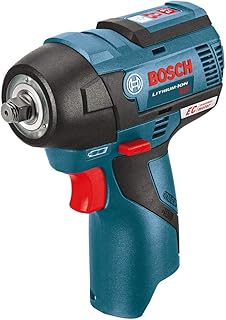


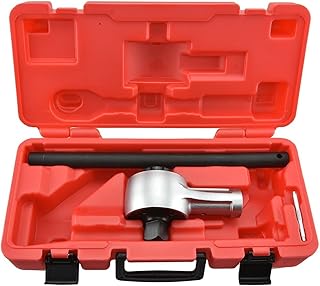
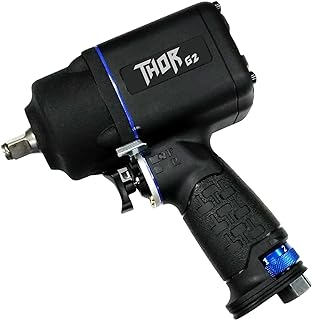


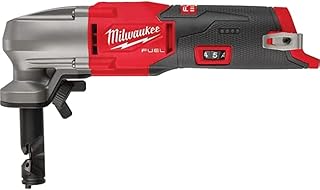
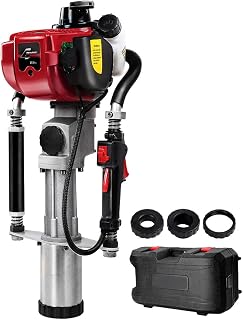


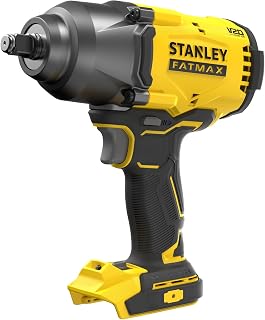


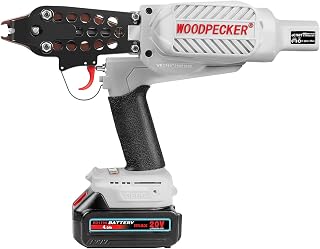
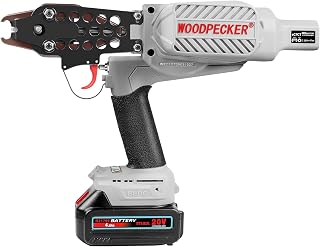


Choosing the right power tool is about more than selecting a highly rated model. The best option depends on the type of work, how frequently the tool will be used, the available power source, compatible accessories, ergonomics, storage requirements and the long-term cost of building a tool collection. Australian buyers should also consider voltage compatibility, warranty terms, battery-platform availability and whether replacement accessories are easy to source locally.
This guide is designed to help compare power tools for DIY projects, home maintenance, renovation work, woodworking, construction tasks and general workshop use. Rather than treating one model as universally best, compare the specifications and features that matter for your particular application.
Power tools cover a wide range of jobs, so identifying the category you actually need is the first step toward making a sensible purchase. A compact drill may be ideal for assembling furniture and drilling pilot holes, while an impact driver is better suited to repetitive fastening. A circular saw can make fast straight cuts, whereas an oscillating multi-tool is useful for detail work, trimming and access in confined spaces.
The cordless-versus-corded decision can have a greater impact on everyday usability than a small difference in headline specifications. Cordless tools provide freedom from a power lead and are particularly convenient for outdoor work, ladders, roofs, unfinished buildings and locations where access to a socket is inconvenient. Corded tools, however, can be advantageous for long-duration applications because the operator does not need to stop for battery changes or recharging.
For cordless equipment, do not compare the tool alone. The battery, charger and intended battery capacity can materially change the overall cost, weight and runtime. A bare-tool price can appear attractive until the required battery and charger are added.
If you expect to own several cordless tools, choosing a battery ecosystem can be more important than choosing an individual tool. Major manufacturers such as Bosch, DeWalt, Makita, Milwaukee, Ryobi and Metabo HPT offer cordless ranges built around battery platforms, although compatibility varies between product families and generations.
Before committing to a platform, examine the complete range rather than focusing on a single drill or saw. Consider whether the ecosystem includes the tools you may realistically purchase later, such as grinders, sanders, outdoor equipment, lights, impact wrenches and specialty tools.
Battery capacity is commonly expressed in amp-hours (Ah), but Ah alone does not tell the whole story. Runtime depends on the tool, workload, battery technology, operating conditions and the way the tool is used. Higher-capacity batteries can provide greater runtime but may also add weight and bulk.
A compact battery can be preferable for overhead drilling or detailed work, while a higher-capacity pack may be more appropriate for demanding cutting or grinding. If buying several cordless tools, owning more than one battery can be more useful than selecting the largest battery for every application.
Brushless motors are widely used in modern cordless power tools and are worth considering when the tool will see frequent or demanding use. They eliminate conventional motor brushes and can offer advantages in efficiency, durability and electronic control. Brushed models can still be perfectly suitable for occasional DIY work, particularly when purchase cost is a major consideration.
Do not assume that brushless automatically means the right choice for every buyer. Match the motor technology to the expected workload, tool quality, battery system, ergonomics and overall value rather than using one specification as the sole deciding factor.
Power tool specifications can be difficult to compare because manufacturers do not always present performance information in identical ways. A higher number in one specification does not necessarily translate into a better tool for your particular task.
Voltage is especially relevant when comparing cordless systems. It can provide useful context about a tool platform, but voltage by itself is not a reliable measure of practical performance. Motor design, electronics, gearing, battery technology and tool construction all influence how a tool performs.
Torque is important for fastening and applications requiring rotational force. Impact drivers and impact wrenches are often evaluated heavily on torque, but the actual result depends on the fastener, material, accessory, operating conditions and manufacturer testing method.
Variable-speed control can be more useful than simply having a high maximum speed. Lower speeds may help with controlled drilling or fastening, while higher speeds can be beneficial for appropriate cutting, drilling or finishing applications. Select a tool with a speed range that matches the materials and accessories you intend to use.
For reciprocating and other reciprocating-action tools, strokes per minute can help describe operating speed. However, cutting performance also depends on stroke length, blade selection, motor output, user technique and the material being cut.
For drills, chuck size determines the range of compatible bits and accessories. A larger chuck can accommodate larger accessories, while a compact chuck may be preferable for lighter-duty work. Check the manufacturer's stated chuck capacity rather than assuming that all accessories will fit every drill.
For grinders and saws, accessory diameter is an important specification. The tool and accessory must be designed for one another, and users should follow the manufacturer's requirements for maximum accessory size, rated speed and intended application.
A technically capable power tool can become frustrating if it is uncomfortable to hold or difficult to control. Weight distribution, grip shape, trigger placement, balance and vibration can all influence how effectively a tool can be used.
For overhead work, a lighter tool may be preferable even when a heavier model offers greater capacity. For repetitive workshop tasks, a well-balanced design may reduce fatigue over a long session. If possible, compare the tool with the battery and accessories installed rather than judging the bare-tool weight alone.
Power tools should be selected and operated with safety in mind. Depending on the tool category, useful safety-related features may include electronic braking, overload protection, kickback control, spindle locks, guarded switches, trigger locks, soft starts and appropriate protective guards.
Safety features vary by model and application, so read the manufacturer's instructions before use. Always select accessories designed for the specific tool and task, inspect accessories before installation and use suitable personal protective equipment for the work being performed.
Dust extraction can make a significant difference when sanding, routing, sawing or working with dusty materials. A tool with a suitable extraction connection can help keep the work area cleaner and reduce airborne dust when paired with an appropriate extraction system.
Do not judge dust management solely by the presence of a dust port. Check whether the connection is compatible with your vacuum or extractor and whether the design is appropriate for the material and task.
For occasional home maintenance, a versatile cordless drill-driver is often a logical starting point. Buyers who regularly assemble furniture, install shelves or perform minor repairs may benefit more from a compact and easy-to-control tool than from a high-output professional model.
If the work expands into renovation, woodworking or construction, a broader combination of tools may become more practical. A drill-driver, impact driver, circular saw, oscillating multi-tool and suitable sander can cover many common tasks, provided each tool is selected for the materials and workload involved.
Woodworkers should pay particular attention to control, precision, accessory compatibility and dust extraction. A tool that is powerful enough for rough construction work may not necessarily be the best choice when clean edges and controlled material removal are priorities.
Renovation work can place significantly greater demands on tools than occasional DIY tasks. Repetitive drilling, fastening, cutting and demolition can make durability, thermal management, ergonomics and battery availability especially important.
For demanding applications, compare the tool's intended duty cycle and manufacturer specifications rather than assuming that a premium-looking housing or high headline number indicates suitability for continuous professional use.
The accessory can determine whether a power tool performs well. A high-quality drill paired with an unsuitable or worn bit may deliver poor results, while the correct accessory can make a substantial difference.
When comparing a tool, check compatible drill bits, saw blades, grinding discs, sanding sheets, router bits, driver bits and other consumables. Confirm the accessory size, fitting system, material compatibility and rated operating speed.
The initial tool purchase is only part of the ownership cost. Batteries, chargers, blades, bits, discs, sanding media and other consumables can add significantly to the total amount spent over time. A tool that appears inexpensive may not remain economical if its compatible accessories are unusually costly or difficult to source.
Australian buyers should evaluate more than the product's advertised specifications. Consider the retailer, warranty arrangements, local availability of replacement batteries and accessories, electrical compatibility, delivery conditions, returns policy and the manufacturer's Australian support arrangements where relevant.
For marketplace purchases, check whether the seller is clearly identified and whether the product description corresponds to the exact model being offered. Product names can be similar across regions, and kits may contain different batteries, chargers or accessories depending on the market.
For mains-powered equipment, confirm that the product is intended for the Australian market and is suitable for the local electrical system. Avoid assuming that a tool designed for another region can simply be used with an adapter or converter.
For cordless equipment, batteries should be handled, stored and charged according to the manufacturer's instructions. Use the specified charger and compatible battery system rather than relying on unverified third-party combinations.
Budget tools can make sense for occasional tasks where the workload is light and the tool will not be used frequently. Premium equipment may become more compelling when reliability, ergonomics, runtime, durability, speed control or long-term platform compatibility matter more.
The best value is not necessarily the cheapest product. Compare the complete ownership cost, including batteries, chargers and consumables, and consider how often the tool will be used. Spending more on a heavily used tool can be easier to justify than paying a premium for equipment that will only be used once or twice a year.
Several established manufacturers offer broad power tool ranges. Bosch, DeWalt, Makita, Milwaukee, Ryobi, Metabo HPT, HiKOKI and AEG are among the brands Australian shoppers may encounter when comparing cordless and corded equipment. Product ranges, specifications, battery platforms and local availability differ, so compare the individual model rather than selecting a brand solely on reputation.
For a multi-tool collection, brand consistency can be particularly useful because compatible tools may share batteries and chargers. Before investing in a platform, look at the tools currently available and the types of equipment you expect to need in the future.
Maximum power can be useful, but it does not automatically indicate better control, precision or suitability. A compact tool may outperform a larger one for a particular job simply because it is easier to handle.
A bare tool and a complete kit are fundamentally different purchases. Always calculate the cost of the complete setup you need before comparing deals.
If you intend to expand your collection, check the wider ecosystem first. A battery platform that works for a drill may not provide the specialty tools you later want.
Weight becomes particularly important during overhead drilling, extended sanding, repetitive fastening and other tasks where the tool remains in the operator's hands for long periods.
Bits, blades and discs must be matched to the tool and material. An inappropriate accessory can reduce performance and create unnecessary safety risks.
Customer feedback can reveal useful information about usability and ownership, but ratings should not replace checking specifications. A tool that works well for light household jobs may not be appropriate for demanding professional applications.
Customer reviews are most useful when they are read for patterns rather than isolated comments. Look for recurring observations about battery life, balance, chuck performance, switch operation, durability, accessory compatibility and ease of use.
Give greater weight to reviews that explain the application and workload. A statement that a drill is “powerful” provides less useful buying information than a detailed account explaining what materials were drilled, what accessories were used and whether the tool remained comfortable during extended work.
Also distinguish reviews of the exact model from reviews covering an entire product family. Similar model names can conceal substantial differences in battery size, motor technology, accessories and specifications.
A structured comparison makes a long list of products easier to evaluate. Record the specifications that directly affect your intended use rather than collecting every available technical number.
An oscillating multi-tool can be particularly useful for homeowners who encounter a variety of small jobs rather than repeatedly performing one specialist task. It can handle selected cutting, scraping, sanding and trimming applications with interchangeable accessories.
Its versatility does not mean it should replace every specialist tool. A dedicated circular saw is generally a more natural choice for repeated straight cutting, while a dedicated sander can be preferable for larger finishing projects. Think of a multi-tool as a problem-solving addition rather than an automatic substitute for every other power tool.
Good storage protects tools and makes a collection easier to use. Keep tools dry and follow the manufacturer's storage recommendations. Batteries should be stored and maintained according to the relevant manufacturer's instructions rather than left in unsuitable temperatures or conditions.
For a growing cordless collection, organising batteries, chargers and accessories by platform can prevent accidental mixing of incompatible equipment. Labelled cases, shelves or tool storage systems can also make it easier to identify the correct accessory before starting a job.
Regular maintenance can help preserve performance and identify problems before they become more serious. Always disconnect corded tools from power and remove batteries from cordless tools when carrying out maintenance that requires the tool to be inactive.
Battery care is a major part of cordless tool ownership. Use only compatible batteries and chargers, follow the manufacturer's charging instructions and avoid exposing battery packs to conditions outside their specified operating and storage range.
Do not routinely force a tool beyond its intended capacity. Excessive loading can increase heat and stress on the motor, gearbox, battery and electronics. Allow the equipment to operate within its specified limits and keep ventilation openings clear.
Before operating any power tool, read the manufacturer's instructions for the exact model. Inspect the tool and accessory, make sure guards are correctly fitted, secure the workpiece where appropriate and use protective equipment suited to the operation.
Eye protection is important for many cutting, drilling and grinding tasks, while hearing protection may be appropriate where noise levels warrant it. Dust protection may also be required depending on the material and work environment. Keep hands away from moving components and never bypass safety mechanisms.
For cutting and grinding applications, use only accessories rated for the tool and intended for the specific operation. Check the accessory's maximum permitted speed and fitting requirements before installation.
Prioritise ease of use, reasonable weight, straightforward controls and versatility. There is usually little benefit in paying for professional-level capability that will rarely be used.
Consider investing in a coherent cordless platform if you expect to add tools over time. Battery interchangeability can simplify charging and reduce duplicated equipment.
Prioritise precision, speed control, dust extraction, accessory quality and ergonomic handling. The right combination of saws, drills, sanders and routers can be more useful than maximising raw power.
Focus on durability, battery capacity, charging options, cutting and drilling capability, dust management and tools that can tolerate the workload associated with repeated use.
Examine manufacturer specifications, duty suitability, service arrangements, spare parts, battery availability and ergonomics particularly carefully. The lowest purchase price should not be the primary selection criterion when downtime has a meaningful cost.
Multi-tool kits can offer convenience, but the number of tools in the box should not be the deciding factor. A kit containing several tools you rarely use may provide less value than a smaller kit containing the equipment you actually need.
Check exactly what the package contains. Some kits may include several bare tools but only one battery and charger, while others may include multiple batteries or different capacity packs. Accessories, storage cases and chargers can also vary between configurations.
Price is only one part of value. Consider the tool's expected frequency of use, battery and accessory requirements, platform compatibility, ergonomics, durability expectations and service arrangements.
A useful way to compare products is to estimate the complete setup cost. For a cordless tool, this may include the tool, suitable battery capacity, charger and essential accessories. For a corded tool, include suitable accessories, extension requirements and any extraction equipment needed for the intended application.
Versatility is useful, but specialist equipment can be more appropriate when a task is performed frequently. If you repeatedly make long straight cuts, a dedicated circular saw may be preferable to relying on a multi-purpose tool. If you frequently drive large fasteners, an impact wrench may be more appropriate than a general drill-driver.
The more often a task is performed, the more valuable purpose-built ergonomics, capacity and accessory compatibility can become.
The best power tools for a home user depend on the jobs being performed. A drill-driver is a useful starting point for many households, while an impact driver, circular saw, oscillating multi-tool or sander may be more useful as project requirements expand. Choose according to the work you actually expect to perform rather than buying the largest or most powerful model.
Neither is universally better. Cordless tools offer portability and convenience, while corded models can be useful for extended work where continuous mains power is available. The right choice depends on the job, work location and expected runtime.
A brushless tool can be worth considering for frequent or demanding use because brushless motor technology can provide efficiency and electronic control advantages. For occasional light-duty work, a suitable brushed model may still provide adequate performance.
There is no single best brand for every application. Bosch, DeWalt, Makita, Milwaukee, Ryobi, Metabo HPT, HiKOKI and AEG all offer different tool ranges and battery ecosystems. Compare the exact model, intended workload, accessories, battery platform and Australian warranty terms.
A kit can be worthwhile when it contains several tools you genuinely need and uses a battery platform you intend to keep. Individual purchases can make more sense when you only require one specialist tool or when a kit includes equipment that would otherwise remain unused.
No, but staying within one battery ecosystem can be convenient. If you already own several compatible batteries, expanding within that platform can reduce the need for additional chargers and battery packs. Check compatibility carefully because batteries are not automatically interchangeable across every model or product generation from a manufacturer.
Select battery capacity according to the tool and workload. Smaller batteries generally prioritise lower weight and manoeuvrability, while higher-capacity batteries can provide greater runtime at the cost of additional weight. If possible, consider having different battery capacities for different tool categories.
Consider chuck capacity, torque control, variable speed, motor technology, ergonomics, battery compatibility and the materials you expect to drill. If masonry drilling is required, confirm that the model is specifically designed for that application.
Compare torque, speed, control settings, bit fitting system, size, weight, vibration and battery compatibility. Compact dimensions can be particularly useful when working inside cabinets, corners or other restricted spaces.
Weight can be extremely important for repetitive or overhead tasks. Compare the operating weight with the intended battery and accessory attached, because a lightweight bare tool can become considerably heavier after a large battery is installed.
No. A premium tool can provide features or durability that justify its price for demanding users, but an expensive professional-oriented model may be unnecessary for occasional DIY work. Match the tool to the workload and calculate the complete ownership cost.
Service intervals depend on the tool, manufacturer and intensity of use. Follow the exact maintenance and service guidance supplied with the product. Inspect equipment regularly and stop using a tool if it shows signs of damage or abnormal operation.
Only use batteries and charging equipment that the manufacturer identifies as compatible and appropriate for the tool. Unverified battery combinations can create compatibility, performance, warranty and safety concerns.
Start with the type of cutting required. Circular saws are suited to many straight-cutting applications, jigsaws are useful for curves and cut-outs, while reciprocating saws are commonly associated with rough cutting and demolition. Choose the saw according to material, cut type and required finish.
Check the exact model number, Australian compatibility, included accessories, battery and charger configuration, seller information, warranty terms, return conditions and customer feedback for the specific product. Do not assume that an identically named tool has the same package contents in every market.
The strongest power tool purchase is one that fits the job, workload and broader tool collection rather than simply winning on a single specification. Start by defining the applications, then compare power source, battery platform, performance, ergonomics, accessories, safety features and long-term ownership requirements.
For Australian shoppers, also verify the exact local model and package configuration before purchasing. Compare current specifications, read verified customer feedback, check today's retailer pricing and review the manufacturer's Australian warranty information. Taking these steps makes it easier to distinguish a genuinely suitable power tool from one that only looks attractive because of a low headline price or impressive specification.