

♥ Wishlist
Compare 46 verified Bathroom Furniture for Australian Homes products in Australia. Reviews, ratings, pros, cons and buying advice updated for October 2026.


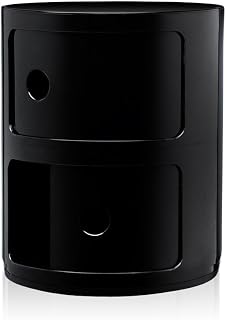


Choosing bathroom furniture in Australia involves more than finding a cabinet that looks attractive. Bathrooms expose furniture to humidity, splashes, cleaning products, temperature changes and frequent daily use, so construction quality, moisture resistance, storage design, hardware and installation requirements all deserve careful consideration. A bathroom vanity, wall cabinet, floor cabinet or mirrored storage unit can also have a significant effect on how efficiently a relatively small room works.
This guide is designed to help Australian shoppers compare bathroom furniture by specifications and practical suitability rather than relying on appearance alone. When comparing products, consider the available space, plumbing position, basin configuration, storage requirements, wall construction, ventilation and the materials used throughout the cabinet. Product descriptions and customer feedback should be checked carefully because dimensions, finishes, assembly requirements and included components can differ considerably between apparently similar models.
The right bathroom furniture should fit the physical space, cope appropriately with the environment and provide useful storage without making the room difficult to move around. A good-looking vanity that blocks a door, interferes with plumbing or provides inadequate clearance can be a poor choice even if its finish is excellent.
Measure the available wall or floor area before comparing products. Record the maximum width, depth and height rather than estimating from photographs. Also measure door swings, shower screens, toilet clearance, windows, skirting boards and other objects that could restrict installation.
For a replacement vanity, measure the existing unit and inspect where the water supply and waste pipes enter the cabinet. A new vanity may have different internal clearances, which can make an apparently straightforward replacement more complicated. If plumbing needs to be relocated, obtain appropriate advice from a qualified professional before buying.
Depth is particularly important in smaller Australian bathrooms, ensuites and powder rooms. A deep cabinet can provide useful storage but may make the room feel cramped or interfere with movement. Wall-mounted furniture can create a more open visual effect and may simplify floor cleaning, while freestanding furniture can offer substantial storage and may suit traditional or larger bathroom layouts.
Do not judge clearance solely from a product photograph. Check the published dimensions against the actual room and consider how drawers and cabinet doors open. A vanity may fit within the overall wall width while still creating an awkward obstruction when its drawers are extended.
The material specification is one of the most important details to examine when comparing bathroom furniture. Terms such as waterproof, water resistant, moisture resistant and water repellent should not automatically be treated as interchangeable. Read the manufacturer's specification carefully to understand what the cabinet is actually designed to withstand.
Engineered wood products are commonly used in bathroom cabinetry because they can provide consistent dimensions and a broad range of finishes. Their suitability depends heavily on the grade of the board, edge treatment, surface finish and protection around joints and cut-outs.
Pay particular attention to exposed edges, screw points and areas surrounding plumbing openings. Even a cabinet with a durable exterior surface can be vulnerable if water can penetrate through poorly protected edges or unfinished openings.
MDF can provide a smooth surface suitable for painted or laminated finishes and is widely used in furniture construction. Bathroom suitability depends on the specific board type and the way the finished cabinet protects it from moisture. A generic MDF description does not by itself establish that a cabinet is suitable for prolonged exposure to a humid environment.
Plywood construction can be attractive to shoppers looking for a more robust cabinet structure, but the term plywood covers many grades and constructions. Compare the actual specification rather than assuming that every plywood bathroom cabinet has identical moisture performance or durability.
Solid timber can provide distinctive natural character, but bathroom conditions require appropriate finishing and maintenance. Timber can respond to changes in moisture and temperature, so construction, sealing and the manufacturer's care instructions matter. Natural wood furniture can also require more attention to prevent standing water from remaining on exposed surfaces.
Surface finishes influence appearance, cleaning and resistance to everyday wear. Laminate and melamine surfaces can be practical for busy bathrooms, while painted finishes can provide a wide range of colours and design styles. Inspect how the finish continues around edges, corners and openings rather than judging only the front face of the cabinet.
Storage configuration has a direct effect on everyday usability. Two vanities with identical external dimensions can provide very different experiences depending on the internal layout.
Drawers make frequently used toiletries easier to see and reach, particularly when the upper drawer is organised for small items. Deep drawers can accommodate larger bottles and grooming equipment, although internal plumbing may reduce the usable space.
When comparing drawer models, inspect the number of drawers, their approximate internal dimensions, runner construction and whether the drawers are soft-closing. Also check whether the product description identifies the maximum drawer load where applicable.
Door-based storage can make efficient use of space around plumbing and may provide a flexible open compartment for taller bottles. It can also be a useful option where the internal configuration is more important than quick access to small items.
Some bathroom furniture combines drawers with cupboard compartments. This can be a practical compromise when a household needs both organised storage for small toiletries and space for larger containers.
Wall-mounted, or floating, vanities leave visible floor space underneath. This can create a lighter appearance and make cleaning beneath the cabinet easier. Installation is nevertheless important because the wall and fixing system must be appropriate for the weight of the furniture, basin and stored contents.
Do not assume that any wall can support any wall-mounted vanity. Plasterboard, masonry and other wall constructions may require different fixing methods. The manufacturer's installation requirements should be reviewed before purchase.
Freestanding units can be straightforward choices for many replacement projects and may provide substantial storage. They are available in contemporary, traditional and transitional designs and can work particularly well where floor-standing furniture suits the existing bathroom layout.
Neither configuration is universally better. A floating vanity may suit a compact contemporary bathroom where visual openness and easy floor cleaning are priorities. A freestanding vanity may be preferable where maximum enclosed storage, simpler positioning or a more substantial furniture appearance is desired.
Single vanities are generally suited to bathrooms where wall space and floor area are limited or where one basin is sufficient for the household. Double vanities can provide two basins and additional bench space, but they require significantly more wall width and may demand more complex plumbing.
Before choosing a double vanity, measure the complete wall section and verify that basin positions will work with existing plumbing. Consider whether the additional basin genuinely improves the bathroom's functionality or simply consumes valuable bench and circulation space.
Hardware can have a greater impact on long-term usability than decorative styling. Look closely at hinges, drawer runners, handles, mounting hardware and the way doors and drawers align.
Soft-close hinges and drawer runners can reduce slamming and provide a smoother everyday experience. They are useful features in family bathrooms where cabinets may be opened and closed repeatedly throughout the day.
Handle style affects both appearance and practicality. Large handles can be easier to operate, while integrated finger pulls can create a cleaner minimalist look. Consider how easily the hardware can be cleaned and whether it projects into the bathroom's circulation area.
When specifications are available, compare runner type, extension, load capacity and adjustment options. Full-extension runners can make the back of a drawer easier to access, while adjustment features can help maintain consistent alignment.
A cabinet may be advertised as a bathroom vanity but still require careful checking for basin compatibility. Determine whether the basin is included or sold separately and identify whether the design is intended for a countertop, inset, under-mount or integrated basin.
For countertop basins, check the required bench cut-out and waste configuration. For integrated basin units, examine the basin material, overflow arrangement and dimensions. If a tap is not included, confirm that the basin and countertop have the appropriate tap-hole configuration or that a compatible wall-mounted tap is being considered.
Ceramic is widely used for bathroom basins and can provide a smooth, easy-to-clean surface. Check the product specifications for dimensions, overflow position and tap-hole configuration.
Stone-based and engineered surfaces can offer a premium appearance, but the exact material specification matters. Maintenance requirements, staining considerations, weight and compatibility with the vanity structure should all be checked.
Glass countertops and basins can create a distinctive contemporary appearance. They may show water marks and require regular cleaning, so households prioritising low-maintenance surfaces should consider whether the visual benefits justify the additional cleaning attention.
Mirrored furniture can combine two functions in a compact area. A mirrored shaving cabinet, for example, can provide both reflective surface and enclosed storage.
When comparing mirrored cabinets, examine internal shelf adjustment, door opening direction, cabinet depth, mounting method and whether lighting or electrical features are included. Products containing electrical components require particular attention to installation requirements and suitability for the intended bathroom location.
Small bathrooms benefit from furniture designed around vertical storage and efficient proportions rather than simply choosing the smallest cabinet available.
Family bathrooms typically need more storage than a guest bathroom or powder room. Choose furniture based on the number of people using the room and the types of products that need to be stored.
Deep drawers can accommodate everyday toiletries, while cupboards can hold taller bottles and cleaning supplies. Families should also consider hardware durability and surfaces that can be cleaned easily. Keep potentially hazardous household products and medications in appropriately secure storage rather than treating an ordinary vanity as childproof storage.
For rental properties, practicality, neutral styling and straightforward maintenance may be more important than highly specialised features. A durable-looking finish, conventional dimensions and readily replaceable hardware can make future maintenance easier.
Check installation requirements carefully because unnecessary alterations to plumbing or walls can increase project complexity. Neutral white, grey, timber-effect and understated contemporary finishes may also provide broader design compatibility, although colour choice should ultimately reflect the property.
A powder room generally needs less storage than a full bathroom, which means a compact vanity can be a better use of space. Focus on basin dimensions, depth, tap configuration and the amount of clearance around the toilet and entry door.
A small wall-mounted vanity or compact pedestal-style arrangement can create more visual space, while a narrow vanity with a useful drawer may provide enough storage for hand towels and basic toiletries.
Modern designs commonly use clean lines, flat fronts, understated handles and simple finishes. They can work well in contemporary renovations but should still be judged on construction and practicality rather than appearance alone.
Minimalist furniture emphasises visual simplicity and can make smaller bathrooms appear less cluttered. The main trade-off is that concealed or reduced hardware should not compromise accessibility.
Traditional vanities may feature framed doors, decorative handles, curved details or timber-inspired finishes. They can complement period homes and bathrooms where a warmer furniture aesthetic is preferred.
Scandinavian-style bathroom furniture typically combines simple geometry, light finishes and restrained hardware. It can suit bathrooms where the goal is a bright, uncluttered appearance.
Brand recognition can be useful as a starting point, but it should never replace specification checking. Australian shoppers may encounter products from brands and retailers such as IKEA, Mondella, Caroma, Timberline, ADP, ABI Interiors and Kaboodle, alongside numerous independent bathroom-furniture manufacturers and importers.
Availability, model ranges, materials, dimensions, installation requirements and warranty terms vary by product. Always assess the individual model rather than assuming that every item from a particular brand has identical construction or performance.
A useful comparison should go beyond star ratings and product photographs. Create a shortlist and assess each candidate against the same criteria.
Customer reviews can reveal practical problems that are not obvious from product descriptions, but they should be evaluated in context. A review about damaged delivery, for example, does not necessarily demonstrate a cabinet's long-term construction quality. Likewise, complaints about installation may relate to a difficult bathroom layout rather than a defective product.
Look for recurring themes across multiple reviews. Useful observations include reports about drawer alignment, finish durability, assembly complexity, missing components, packaging, storage capacity and whether the dimensions matched expectations.
Pay particular attention to reviews that describe the actual model being considered. Product listings can sometimes contain multiple sizes, colours or variants, and feedback may not apply equally to every configuration.
Bathroom furniture is a functional item as well as a design feature. A beautiful finish cannot compensate for inadequate storage, poor dimensions or incompatible plumbing.
Width often receives the most attention, but excessive depth can create serious clearance problems. Always compare the product's full depth with the room layout.
Some vanity listings include the basin, while others show it for illustration or offer it as a separate component. Verify exactly what is included before comparing products on price.
Check tap-hole positions, waste dimensions and overflow requirements. A vanity can be physically suitable while still requiring additional components or plumbing changes.
Wall-mounted furniture requires secure fixing. Check the wall type and installation instructions before selecting a floating vanity.
Some furniture arrives assembled while other products require substantial assembly. Examine the listing for assembly instructions, included hardware and any tools or skills required.
Bathroom furniture still benefits from sensible maintenance. Standing water, harsh chemicals and poor ventilation can shorten the useful life of finishes and hardware.
Bathroom furniture should be selected with the existing plumbing arrangement in mind. Check the location of hot and cold water connections, waste outlets and any pipes passing through the cabinet. Internal shelves or drawers can also interfere with plumbing if the cabinet has not been designed around the existing configuration.
Where installation involves water connections, electrical work, structural fixing or modifications to the bathroom, use appropriately qualified professionals and follow applicable Australian requirements. Product installation instructions should be treated as part of the specification rather than optional reading.
Even furniture intended for bathrooms benefits from good ventilation. Excessive humidity can affect materials, finishes, adhesives and hardware over time. Use the bathroom's ventilation system appropriately and avoid leaving water pooled on cabinet surfaces.
The cheapest vanity is not necessarily the best value, and a premium-looking model is not automatically the most durable. Value should be assessed against the expected period of use, storage capacity, construction, hardware, installation complexity and maintenance requirements.
When comparing prices, make sure the products have equivalent specifications. A vanity with a basin, countertop, soft-close hardware and integrated storage should not be compared directly with a cabinet-only product without accounting for the additional components required for the latter.
Not every feature deserves the same weight in a buying decision. For most Australian bathrooms, dimensions, construction, moisture protection, storage and installation compatibility should come before decorative features.
Soft-close hardware, adjustable shelving, full-extension drawers, integrated cable management, internal organisers and mirrored storage can provide meaningful convenience when they match the household's requirements. However, these extras should not justify overlooking fundamental issues such as an unsuitable size or incompatible plumbing.
Online bathroom furniture shopping requires more careful specification checking because photographs can make products appear larger, smaller, deeper or more substantial than they are. Read the dimensional diagram rather than relying on the main product image.
Check the complete product description for included components, assembly requirements, material information, finish, mounting hardware and installation instructions. Where information is unclear, verify it with the retailer or manufacturer before placing an order.
Also review the current delivery information, returns policy and warranty terms supplied by the retailer. Bathroom furniture can be bulky and difficult to return after assembly, so understanding the applicable terms before purchase is particularly important.
Start with five to ten products that fit the physical dimensions of the room. Eliminate anything with incompatible plumbing, unsuitable mounting requirements or inadequate storage. From the remaining options, compare construction, hardware, finish, included components and customer feedback.
The final shortlist should contain products that genuinely suit the intended bathroom rather than simply the products with the highest apparent ratings. A compact vanity with excellent storage may be the stronger choice for an ensuite, while a larger family bathroom may benefit from a double vanity or a combination of drawers and cupboards.
There is no single best bathroom furniture option for every Australian home. The most suitable choice depends on room dimensions, plumbing, storage needs, household size, preferred design and budget. A well-specified vanity that fits the room and provides appropriate moisture resistance is generally a better choice than a visually appealing unit that creates installation problems.
No single material is automatically best for every application. Engineered wood, MDF, plywood and solid timber can all be used in bathroom furniture when appropriately specified and finished. Compare the actual construction, moisture protection, edge treatment and care instructions rather than choosing solely by material name.
Wall-mounted vanities can be excellent where a floating appearance, easier floor cleaning and visible floor space are priorities. They require suitable wall construction and secure installation, so they are not automatically better than freestanding furniture.
The appropriate depth depends on the bathroom layout, basin design and available circulation space. Instead of choosing a standard depth automatically, measure the room and check how far the vanity will project into the usable area.
A single vanity is often more practical for compact bathrooms, while a double vanity can be valuable in larger family bathrooms where two basins and additional storage are genuinely useful. Wall space, plumbing and circulation should be checked before choosing either option.
Drawers are particularly convenient for organising smaller toiletries, while cupboards can provide flexible space for taller bottles and plumbing. Combination units can offer the advantages of both.
Some do and some do not. Never assume that a basin shown in a product photograph is included. Check the exact listing, variant and specification before comparing prices.
Look for recurring comments about construction quality, finish, drawer alignment, assembly, dimensions, storage capacity and long-term usability. Separate those observations from reviews that concern delivery or issues unrelated to the actual furniture.
Soft-close hinges and runners can improve everyday convenience and reduce slamming. They are useful but should be considered an additional quality feature rather than a substitute for good cabinet construction.
Choose furniture with proportions appropriate to the room, avoid excessive depth, consider wall-mounted storage where suitable and use mirrored storage to combine functions. Keeping countertops organised can also make a compact bathroom feel less crowded.
Check dimensions, materials, finish, included components, basin compatibility, plumbing clearances, mounting method, assembly requirements, care instructions, customer feedback and the retailer's current delivery, return and warranty terms.
The strongest bathroom furniture choice is the one that works correctly in the space rather than the one that simply looks impressive in a product photograph. Start with measurements and plumbing, then compare construction, storage, hardware, basin compatibility and moisture-related specifications. Once those fundamentals are satisfied, use style, finish and additional features to make the final selection.
For Australian shoppers, product specifications should be checked at the time of purchase because dimensions, finishes, included accessories, retailer availability and pricing can change. Compare current listings and verified customer feedback across trusted retailers before making a final decision.
Whether you are furnishing a compact ensuite, renovating a family bathroom, updating a rental property or completing a powder room, a careful comparison of bathroom furniture can help prevent expensive compatibility and installation mistakes. The goal is not simply to find a highly rated cabinet, but to identify the product whose dimensions, construction, storage and installation requirements best match the bathroom and the people using it.