

♥ Wishlist
Compare 31 verified Hallway Furniture for Stylish, Organised Australian Homes products in Australia. Reviews, ratings, pros, cons and buying advice updated for October 2026.


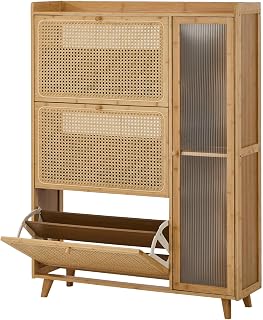


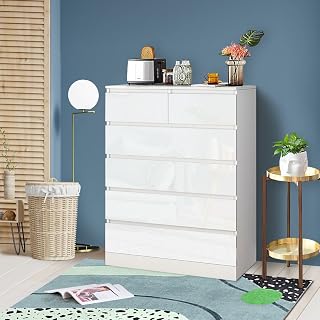


Choosing hallway furniture is less about filling an empty wall and more about improving how an entryway works every day. The right piece can provide a practical landing place for keys and mail, concealed storage for shoes and accessories, a convenient seat for putting on footwear, or a decorative focal point without making a narrow passage feel crowded.
For Australian homes, the best choice depends heavily on hallway width, storage requirements, household traffic, cleaning habits, interior style and the amount of floor space available. A compact console may suit an apartment entry, while a hallway bench with shoe storage can be more useful for a busy family home. In a larger entrance, a wider sideboard or cabinet may provide substantially more storage, but only if doors and drawers can open without obstructing movement.
This buying guide focuses on the features that matter when comparing hallway furniture products in Australia, including dimensions, construction, storage configuration, materials, stability, cleaning requirements, assembly and overall suitability for different types of homes.
Before comparing colours and finishes, measure the available space and decide exactly what the furniture needs to accomplish. A visually attractive console that leaves no comfortable walking clearance may be less useful than a simpler, narrower design.
Measure the available wall length, the distance between opposing walls and the height from the floor to any architectural features that may affect placement. Also consider doors, cupboards, drawers, windows, power points, switches, skirting boards and heating or cooling equipment.
Depth is particularly important in hallways. A cabinet that looks relatively compact in product photography can project significantly into a passage once handles, doors or drawers are opened. For narrow spaces, prioritise shallow furniture and confirm the complete assembled dimensions rather than relying only on the dimensions of the packaging.
Do not forget the delivery route. Check stairways, lifts, doorways and tight corners if the furniture is supplied assembled or contains large panels. For flat-pack furniture, compare the packed dimensions as well as the finished size when access is difficult.
Hallway furniture can serve very different purposes. Make a short list of what will actually be stored before selecting a design.
If the main requirement is small-item organisation, drawers can be more useful than a large open shelf. If shoes are the priority, dedicated shoe compartments may make better use of the available depth. For mixed storage, a combination of cupboards, drawers and open shelving can provide more flexibility.
An entryway is often one of the highest-traffic areas in a home. Furniture should therefore be selected for everyday convenience rather than appearance alone. A household that removes shoes at the entrance may benefit from a bench, whereas a household that mainly needs a place for keys and mail may have little need for a large storage cabinet.
Families with children may prefer surfaces that are easy to wipe clean and storage compartments that keep frequently handled items organised. Homes with pets may benefit from enclosed storage for accessories that should not remain on an open shelf.
A console table is one of the most versatile choices for an entryway. Its relatively narrow profile can provide a useful surface for everyday belongings while leaving much of the floor area open.
When comparing consoles, examine the relationship between width and depth. A longer, shallow console can provide substantial surface area without projecting as far into the walkway as a deeper cabinet. Models with drawers can also turn an otherwise decorative table into useful everyday storage.
Look closely at the drawer construction, runners, handles and internal dimensions. A drawer that appears useful externally may have limited usable capacity if the internal space is reduced by the construction of the cabinet.
Cabinets are appropriate when concealed storage is more important than maintaining an open appearance. Doors can hide clutter and help create a cleaner-looking entryway.
Compare shelf adjustability, door configuration, internal height and the usable depth of each compartment. Fixed shelves can limit flexibility, particularly when storing items of different sizes. Adjustable shelves can make the furniture more adaptable over time.
Because enclosed cabinets can be relatively heavy, stability is an important consideration. Follow the manufacturer's assembly and anchoring instructions, particularly in households with young children.
Shoe cabinets are designed to use hallway space efficiently while keeping footwear organised. Slim designs can be especially useful where a conventional deep shoe rack would interfere with the walking path.
Check the number and arrangement of compartments rather than relying solely on the advertised shoe capacity. Larger footwear, boots and unusually shaped shoes may require more room than standard low-profile footwear.
Ventilation can also matter. If footwear is regularly stored immediately after use, an enclosed design should provide an appropriate way for air to circulate. The internal configuration should be practical to clean because dirt and grit naturally accumulate around shoe storage.
A hallway bench can combine seating with storage. It can make putting on and removing shoes more convenient while providing a useful location for baskets, footwear or other accessories.
Check the bench height, seat depth, maximum load information supplied by the manufacturer and the construction of the legs or base. If the product includes storage compartments beneath the seat, make sure they are accessible without requiring the entire bench to be moved.
For a narrow hallway, a bench should not be selected solely because it is visually compact. Confirm the complete depth and allow adequate room for a person to sit without obstructing the main route through the home.
Hall trees combine several functions, potentially incorporating hooks, shelving, seating and storage in one unit. They can be useful for households that need a dedicated drop zone for coats, bags and shoes.
The trade-off is size. A hall tree can consume considerably more vertical and horizontal space than a simple console. Measure carefully and consider whether the additional storage genuinely replaces separate furniture or simply introduces another large item into the entryway.
Wall-mounted furniture can preserve valuable floor space and create a lighter visual appearance. Floating consoles and wall-mounted organisers may work particularly well in compact apartments and narrow corridors.
Installation requirements deserve careful attention. The wall type, mounting hardware, load limits and fixing method must be appropriate for the product and the intended contents. Do not assume that every wall-mounted unit can be attached safely using generic hardware.
Solid timber can provide a substantial appearance and, when properly constructed and maintained, can remain useful for many years. Natural timber also brings variation in grain and colour that can complement traditional, coastal, Scandinavian and contemporary interiors.
However, solid timber furniture can be heavier and more expensive than engineered-board alternatives. Timber can also respond to changes in environmental conditions, so construction quality, finish and care instructions remain important.
Engineered wood products are common in flat-pack furniture because they can offer consistent dimensions and efficient manufacturing. They are available in a wide range of finishes and can make larger storage furniture more accessible.
When comparing engineered-board products, examine the thickness of the panels, edge finishing, joining method, hardware and back panel construction. A decorative exterior alone does not reveal how robust the underlying cabinet is.
Medium-density fibreboard can provide a smooth surface suitable for painted and laminated finishes. It is commonly used for furniture components where a uniform appearance is desirable.
Pay attention to moisture exposure. Hallway furniture should still be protected from unnecessary water and prolonged damp conditions, particularly around entrances where wet footwear and umbrellas may be present.
Metal frames can provide a contemporary appearance and may be useful for open shelving, benches and industrial-style furniture. Steel construction can also provide a strong framework when appropriately designed.
Inspect the frame joints, welds or fasteners and the finish applied to exposed metal. In areas where furniture may encounter moisture, the finish and maintenance instructions are particularly relevant.
Glass-topped consoles can create a visually light appearance and work well with modern interiors. Their main disadvantage in busy entryways can be the visibility of fingerprints, dust and marks.
If choosing glass, check the manufacturer's safety and care information and consider whether the surface will tolerate the amount of daily use expected in the home.
Storage volume is only useful when it matches the items you actually own. Compare the number of drawers, shelves, cupboards, baskets and open compartments, then consider how those spaces will be used.
Small drawers are convenient for keys and personal items, while larger cupboards can accommodate bags or household accessories. Open shelves offer quick access but can make clutter more visible.
Drawer operation can have a major effect on long-term usability. Compare the type of runners, drawer stops, construction and handle design. Soft-close mechanisms can reduce noise and provide a more controlled closing action, although they are not essential for every budget or application.
Cabinet doors should align correctly after assembly and operate without excessive rubbing or movement. Consider whether handles are easy to grip and whether the doors require significant clearance in front of the furniture.
Adjustable shelves can be valuable when the contents are likely to change. They allow the internal space to be configured for different objects instead of forcing the user to work around fixed compartments.
Stability should never be treated as a secondary feature. Tall, narrow cabinets and shelving units can have a higher centre of gravity, particularly when heavily loaded.
Check whether the manufacturer supplies an anti-tip mechanism or recommends anchoring the furniture to a wall. Follow the supplied installation instructions and use suitable fixings for the particular wall construction.
Flat-pack furniture can be practical, but assembly quality affects the final result. Before buying, check whether the product requires two people, specialist tools or wall attachment.
Read the assembly instructions if they are available. Pay attention to the number of panels, fasteners and adjustment steps. A complicated assembly process is not necessarily a sign of poor quality, but it should be considered when comparing otherwise similar products.
Minimalist hallway furniture typically uses clean lines, simple handles and restrained colours. This approach can make smaller entryways appear less visually busy.
White, black, natural wood and neutral finishes can work with many interiors, but the best colour depends on the existing flooring, wall colour, lighting and adjacent furniture.
Scandinavian-inspired furniture often combines light wood tones, simple silhouettes and practical storage. It can be particularly effective when the objective is to create a bright, uncluttered entryway.
Industrial designs commonly combine metal frames with timber-effect or wood surfaces. They can provide a more substantial visual character and suit homes where black metal and natural finishes are already present.
Hamptons and coastal interiors often favour lighter finishes, textured materials and traditional detailing. A console with drawers, a painted timber appearance or woven storage baskets can complement this aesthetic without overwhelming the entryway.
Tapered legs, warm timber tones and streamlined storage can create a mid-century look. The key consideration is proportion: a visually distinctive piece should still provide enough clearance for comfortable movement.
Small spaces require a different approach to furniture selection. The objective is not simply to buy the smallest product available, but to maximise useful function within the available footprint.
A mirror above a compact console can also make an entryway feel more complete without requiring additional floor space. The mirror itself should be selected and installed appropriately for the wall and location.
Family hallways tend to accumulate considerably more items than adult-only entryways. Shoes, school bags, sports equipment, hats and everyday accessories can quickly overwhelm a small surface.
For a family home, prioritise storage that is easy to access and easy to organise. Open compartments can make frequently used items convenient to retrieve, while closed cupboards can keep less attractive items out of sight.
Rounded or softened furniture profiles may be preferable in high-traffic areas, depending on the household. Stability and appropriate anchoring are particularly important where children may interact with furniture.
Renters often need practical furniture without permanent modifications. Freestanding consoles, benches and shoe cabinets can provide useful storage without requiring extensive installation.
If considering a wall-mounted unit, confirm that the installation method is permitted and appropriate for the property. For freestanding furniture, prioritise stability and compact dimensions so the piece can be moved if the layout changes.
Furniture legs can create concentrated pressure points on hard flooring. Protective pads can help reduce scratching and make furniture easier to move, provided they are suitable for the particular flooring material.
Tiles are durable but can still be affected by grit, sliding furniture and poorly fitted feet. Stable furniture with suitable protective pads can help reduce unnecessary movement and surface contact.
On carpet, furniture may sit differently from how it does on a hard floor. Check that the product remains stable and that doors and drawers operate correctly after installation.
When comparing several products, create a simple specification checklist rather than relying on photographs. The most useful fields include:
Specifications should always be checked against the current product listing before purchase because dimensions, configurations and included accessories can change between models or product revisions.
Product photography can make furniture look proportionally smaller or larger depending on the room and camera angle. Always compare the stated dimensions with the space in your own home.
Depth is one of the most common causes of entryway furniture becoming inconvenient. A cabinet can technically fit against a wall while still making the passage uncomfortable.
A small decorative console may look ideal until it becomes the permanent dumping ground for shoes, bags and mail. Think about what needs to be stored before deciding how much furniture is required.
Open shelving is convenient, but every visible compartment can become another place where clutter accumulates. If maintaining a tidy appearance is important, consider a combination of open and concealed storage.
Check the assembly requirements before buying. A large cabinet can involve many components, alignment steps and fasteners. If professional assembly is not being considered, make sure the installation process is realistic for the household.
Tall or top-heavy furniture may require anchoring. Do not remove or ignore supplied anti-tip hardware simply to make installation easier.
Advertised shoe capacity can vary depending on footwear size and configuration. Boots, high-top shoes and larger adult footwear can require considerably more space than low-profile shoes.
When shopping online, look beyond the main product photograph. Examine the specification section, assembly instructions, material description and multiple product images.
Customer reviews are most useful when they provide specific observations about construction, dimensions, assembly and everyday usability. A large number of ratings alone does not establish that a product is suitable for your particular hallway.
Australian shoppers may encounter hallway and entryway furniture from a wide range of established brands and retailers. Names such as IKEA, Freedom, Fantastic Furniture, Temple & Webster, Mocka, Koala and Artiss can be useful starting points for comparison, depending on the type of furniture being considered.
Brand recognition should not replace product-level evaluation. Compare the actual model's construction, dimensions, storage configuration, assembly requirements and customer feedback rather than assuming every product from a familiar brand has the same quality or suitability.
A sensible budget should account for the complete solution rather than the furniture alone. Depending on the product, additional costs or requirements can include delivery, assembly, wall-fixing hardware, baskets, protective floor pads or complementary storage accessories.
At a lower price point, focus on functional dimensions, structural stability and practical storage rather than decorative extras. In the mid-range, additional features such as better hardware, more flexible storage and improved finishes may become worthwhile. Higher-priced furniture should be evaluated carefully to determine whether the additional cost reflects meaningful improvements in construction, materials, longevity or design.
Do not assume that the most expensive hallway furniture is automatically the best choice. The best-value option is the one that provides the required function, fits the available space and meets the household's durability and design requirements.
Routine maintenance can help preserve the appearance and operation of hallway furniture. Use cleaning methods appropriate to the material and finish rather than applying a universal cleaning product.
Good styling does not require filling every available surface. A restrained arrangement can make even relatively simple furniture look intentional.
Lighting also affects the appearance of hallway furniture. A console lamp may work where electrical access is practical, while decorative lighting can be considered separately if the entryway already has suitable illumination.
Before committing to a product, review the complete current listing and confirm that the specifications match your requirements.
A shallow console, compact shoe cabinet or wall-mounted storage unit is often easier to accommodate than a deep cabinet. The correct choice depends on whether your priority is a surface for everyday items, footwear storage or general organisation. Measure the passage first and compare the complete product depth.
Yes. A console can provide a convenient surface for keys, mail, lighting and decorative items while taking up less floor space than many full-size storage cabinets. A model with drawers can add concealed storage for smaller belongings.
A shoe rack provides quick visibility and access, while a cabinet keeps footwear more concealed and can create a tidier appearance. The best option depends on ventilation, available space, footwear types and how frequently the shoes are accessed.
If the manufacturer specifies wall anchoring or supplies anti-tip hardware, it should be installed according to the instructions. Tall or top-heavy furniture can present a tipping risk, particularly in households with children. Use fixing hardware appropriate for the wall construction.
There is no single depth that suits every hallway. The correct depth is determined by the available passage and the furniture's intended function. A narrow entry generally benefits from shallower furniture, while a wider foyer can accommodate deeper cabinets if adequate clearance remains.
There is no universal best material. Solid timber can provide a substantial natural appearance, engineered wood can offer consistent finishes and practical flat-pack construction, MDF can provide smooth surfaces, and metal can suit contemporary designs. Construction quality and suitability for the environment are more important than choosing a material solely because it sounds premium.
A bench can be worthwhile when seating is genuinely useful, particularly in homes where people regularly remove footwear at the entrance. A storage bench can provide additional functionality, but its dimensions and load capacity should be checked before purchase.
Look for detailed comments about assembly, dimensions, stability, material quality, drawer operation, storage capacity and long-term usability. Reviews that describe a specific use case are generally more informative than comments that only discuss appearance.
Start with the dominant colours and materials already present in the entryway. Consider the flooring, doors, wall colour, nearby furniture and lighting. Matching every item exactly is not necessary; coordinating finishes, proportions and visual weight can create a more cohesive result.
Open storage provides fast access and makes items easy to see, while closed storage hides clutter and can produce a cleaner appearance. A combination of both can be useful when some items need frequent access and others are better kept out of sight.
Cleaning frequency depends on household traffic and the type of furniture. High-traffic entrances may require frequent dust and dirt removal, especially around shoe storage. Follow the manufacturer's care instructions for the specific material and finish.
Measure the space and mark the proposed footprint on the floor using removable tape. This can give you a better sense of how much walking space will remain. Also account for doors, drawers and cupboards that need to open in front of the furniture.
The strongest hallway furniture choice is not necessarily the largest, cheapest or most highly decorated option. A useful comparison considers the complete combination of dimensions, storage, construction, stability, maintenance, appearance and everyday convenience.
For an Australian home, start with the physical constraints of the entryway and then work backwards from the way the space is actually used. Compare products within the same functional category, verify current specifications, examine detailed customer feedback and consider the long-term practicality of the design. This approach makes it easier to distinguish genuinely useful hallway furniture from products that look appealing online but do not suit the realities of the space.
As product specifications, customer feedback, stock status and pricing can change, always verify the current information with the relevant retailer or manufacturer before making a purchase decision.