

♥ Wishlist
Compare 39 verified Living Room Furniture for Australian Homes products in Australia. Reviews, ratings, pros, cons and buying advice updated for October 2026.


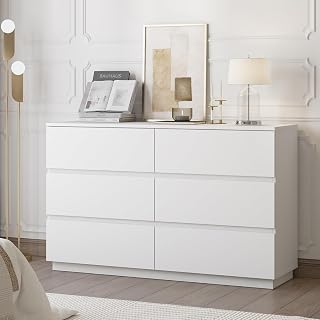


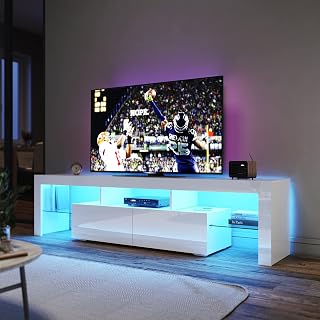


Choosing living room furniture is about more than appearance. A sofa, lounge chair, coffee table, TV unit, side table or storage cabinet needs to suit the room's dimensions, household routines, climate, maintenance expectations and overall interior style. The best choice for a compact apartment may be very different from the right furniture for a large family living area.
For Australian shoppers, it is also worth considering practical factors such as hard flooring, strong sunlight, open-plan layouts, indoor-outdoor living, pets, children and the amount of ventilation available in the room. Before comparing individual products, establish the requirements of the space and then assess each option against the same criteria.
A sofa should be sized according to the room rather than selected in isolation. A large sectional can provide generous seating but may overwhelm a smaller lounge room, while a compact two- or three-seat design can leave a spacious room looking visually unbalanced.
Measure the wall, the usable floor area and the circulation space around the proposed sofa. Pay attention to the sofa's total width, depth and height. Reclining mechanisms, chaise sections and removable cushions can also affect the amount of space required.
Seat dimensions influence comfort as much as upholstery softness. Deeper seats can suit people who prefer a relaxed lounging position, while shallower seating may make it easier to sit upright. Seat height also affects how easily people can sit down and stand up.
Do not assume that a softer or deeper sofa is automatically more comfortable. A useful comparison considers the relationship between seat height, depth, back support and cushion construction.
Fabric upholstery can offer a broad range of colours and textures, while leather and leather-look materials can provide a different appearance and cleaning profile. Performance depends on the specific construction, so buyers should examine the manufacturer's stated material specifications rather than judging durability from appearance alone.
Households with children or pets may place greater importance on stain resistance, removable covers and straightforward cleaning. A formal living room used mainly by adults may justify prioritising texture, design and visual character instead.
The visible upholstery is only one part of a sofa. The internal frame, suspension system, foam or fibre filling, cushion design and joinery all influence how furniture behaves over time.
Look for clear information about frame materials and construction. Solid timber, engineered wood and metal components can all be used in furniture, but their suitability depends on how they are incorporated into the overall structure.
Be cautious when product descriptions use broad terms such as “premium,” “heavy duty” or “luxury” without explaining the underlying construction. Specific material information is more useful when comparing products.
Foam, fibre, feather and combination fillings can produce noticeably different seating characteristics. Foam can provide a more structured feel, while fibre-based cushions may feel softer and require regular reshaping. Combination constructions attempt to balance support and softness.
For removable cushions, check whether covers can be removed for cleaning and whether the manufacturer provides care instructions. Cushion maintenance can have a significant effect on appearance and comfort.
Timber furniture can bring warmth and natural variation to a living room. Different timber species and finishes have different appearances, hardness characteristics and care requirements. Avoid choosing solely by colour; examine the finish, construction and maintenance instructions as well.
Engineered wood products can be useful for furniture where dimensional consistency and cost considerations are important. The quality of a finished item depends on the material grade, thickness, edge treatment, hardware and construction rather than the material label alone.
Metal frames and bases can provide a contemporary appearance and are common in coffee tables, shelving, TV units and occasional furniture. Check the finish and joinery carefully, particularly if the item will experience frequent movement or heavy use.
Glass can make a coffee table or side table appear visually lighter, which can be useful in smaller rooms. Buyers should check the specified glass type, edge treatment, support structure and care requirements. Furniture with glass surfaces also deserves particular consideration in households with young children.
Fabric offers extensive choices in colour, texture and weave. However, the practical performance of fabric varies considerably. Check the care instructions and any available information about cleaning, removable covers and intended usage.
Leather can develop a distinctive appearance with use, while synthetic alternatives may provide a different balance of cost, appearance and maintenance. Product descriptions should be checked carefully because “leather” can refer to different constructions and should not automatically be interpreted as a particular grade or percentage of natural leather.
A coffee table should complement the sofa without obstructing movement. Rectangular tables can work well with conventional sofas, while round or oval designs can soften rooms containing many straight lines.
Consider the distance between the sofa and table, the table's height relative to the seating and the amount of walking space required. If the living room doubles as a workspace or family activity area, storage shelves, drawers or lift-top features may add useful functionality.
Homes with limited floor space may benefit from nesting tables or compact occasional tables that can be repositioned when necessary. Larger rooms may have enough space for a substantial central table without compromising circulation.
A TV unit should be selected according to the television dimensions, equipment requirements and available wall or floor space. Measure the television and compare it with the furniture's stated maximum recommended width or load capacity.
Storage requirements should also be considered. Streaming devices, game consoles, sound equipment, media players and cables can quickly make an otherwise attractive entertainment area look cluttered. Open shelving provides easy access, whereas enclosed cabinets can create a cleaner appearance.
Cable-management openings and rear access panels can be valuable features. Before buying, consider where power outlets are located and whether cables can reach them without creating visible or unsafe runs across the room.
Sideboards, bookcases, shelving units and cabinets can provide valuable storage while contributing to the room's visual style. The most suitable configuration depends on what needs to be stored.
Small rooms require careful attention to visual and physical scale. Furniture with exposed legs, lighter finishes or open bases can sometimes create a less visually heavy appearance than large enclosed forms, although the final choice should still reflect personal style.
Multifunctional furniture can be particularly useful. Storage ottomans, compact sofa beds, nesting tables and modular shelving can allow one item to serve several purposes.
Do not sacrifice usable circulation simply to add another piece of furniture. A room that technically fits a sofa, table and cabinet may still feel cramped if there is insufficient space to walk between them.
Large rooms present the opposite challenge: furniture that is too small can make the space feel disconnected. Modular seating, larger rugs, substantial coffee tables and coordinated occasional furniture can help establish a defined living zone.
In open-plan homes, furniture can also be used to create boundaries between living, dining and kitchen areas without blocking natural movement or sightlines. Consider how the back of a sofa looks when viewed from adjoining spaces, not just how it appears against a wall.
Households with frequent daily use should prioritise practical construction and manageable maintenance. Rounded edges may be preferable for some households, while robust surfaces and washable or cleanable upholstery can reduce maintenance demands.
For homes with pets, consider how claws, fur and accidental spills could affect the selected materials. Dark colours do not necessarily hide pet hair, and heavily textured fabrics can have different cleaning characteristics from smooth surfaces.
For homes with children, examine stability, sharp corners, accessible moving components and anchoring requirements. Tall storage furniture should be assessed for appropriate anti-tip measures where applicable.
Product specifications become particularly valuable when comparing furniture from different brands. Instead of relying on a product's marketing description, build a comparison around measurable characteristics.
One of the most avoidable mistakes is choosing furniture based on photographs without checking dimensions. Measure the intended location and the route the furniture must take to reach it.
A product can fit perfectly in the living room but still be impossible to manoeuvre through a narrow doorway or stairwell. Large sofas and assembled cabinets deserve particular attention.
A visually appealing sofa may not provide the seat depth, support or durability required for everyday use. Likewise, an attractive TV unit may have inadequate storage or cable access.
The lowest initial price does not necessarily represent the best overall value. Compare construction, dimensions, materials, included features, assembly requirements and expected usage before making a decision.
Furniture that requires specialised cleaning may be unsuitable for a household looking for low-maintenance products. Consider the realistic cleaning routine before selecting upholstery or delicate finishes.
A numerical rating provides limited context. Read verified customer reviews for recurring comments about assembly, dimensions, comfort, stability, finish quality, packaging and long-term usability. A small number of consistent complaints can be more informative than a single highly positive review.
Useful reviews should be evaluated for specific, verifiable observations. Look for comments that explain how the product performs in an actual household rather than relying on vague statements such as “great quality.”
Australian shoppers may encounter a mixture of established furniture retailers, specialist brands, department stores and marketplace sellers. Names such as IKEA, Freedom, Fantastic Furniture, Temple & Webster, Koala, Nick Scali and Amart can be useful reference points when researching different furniture categories, although individual products should always be assessed on their own specifications rather than assumed to have identical quality across an entire brand.
For Amazon-focused research, also compare the exact seller, product model, specifications and recent customer feedback. Brand familiarity should not replace product-level evaluation.
Value is not simply the purchase price. A better assessment considers how well a product meets the household's requirements and how much functionality is provided for the space it occupies.
For a frequently used sofa, comfort, construction and upholstery may deserve more attention than decorative details. For an occasional side table, appearance and dimensions may be more important. For a storage cabinet, usable internal capacity and stability can matter more than the external finish.
When comparing prices, check whether competing products include the same components. Differences in cushions, legs, shelves, storage hardware, modular sections or accessories can make headline prices difficult to compare directly.
Modern furniture often emphasises clean lines, practical forms and relatively restrained detailing. It can work particularly well in contemporary apartments and open-plan interiors.
Scandinavian-inspired furniture commonly combines simple shapes, light finishes and functional design. It can be useful where buyers want a visually uncluttered living area.
Industrial-style furniture may combine metal, timber-look surfaces and darker finishes. It can introduce stronger visual contrast but should be balanced with the rest of the room.
Mid-century-inspired designs often feature tapered legs, simple silhouettes and timber tones. These pieces can provide a distinctive look without requiring elaborate decoration.
Traditional furniture tends to place greater emphasis on decorative detailing, substantial forms and classic materials or finishes. It can suit rooms where furniture is intended to create a more formal atmosphere.
Start with the largest piece, usually the sofa, and arrange the remaining furniture around the primary seating and conversation area. Keep entrances, major walkways and access to windows or doors clear.
Rugs can help visually connect separate furniture pieces, while side tables should be positioned where they can be reached comfortably from the seating. Lighting should also be considered during planning because tall cabinets or large sofas can change how light travels through a room.
Following the manufacturer's care instructions is the safest starting point because different finishes and upholstery materials require different treatment. Avoid applying cleaning products simply because they are marketed for a similar material.
Strong sunlight can influence furniture finishes and upholstery over time. Rooms with large north- or west-facing windows may require greater attention to UV exposure, curtains, blinds and furniture positioning.
Air conditioning, heating and seasonal humidity can also affect certain natural materials. Timber in particular can respond to changes in environmental conditions. Following the product's specified care and placement guidance is preferable to applying generic maintenance routines.
Modular furniture can provide flexibility when room layouts change. Sectional seating with movable components can be useful for households that rearrange furniture or relocate between properties.
Multifunctional furniture is another useful option for apartments and smaller homes. A storage ottoman can provide seating, a footrest and storage, while a sofa bed can serve both everyday seating and occasional sleeping requirements.
However, additional functions often introduce additional mechanisms. Check the construction, operating method and storage capacity rather than assuming a multifunctional product will perform every role equally well.
Check the assembly instructions before purchasing furniture that arrives flat-packed or partially assembled. Identify the tools required, approximate complexity stated by the manufacturer and the number of people recommended for assembly.
For wall-mounted or tall furniture, verify the required wall type and fixing method. Do not assume that supplied hardware is suitable for every Australian wall construction. When necessary, obtain appropriate professional advice about safe installation.
Independent buying research should include the retailer's current delivery and return conditions before an order is placed. Large furniture can have different delivery requirements from smaller household goods.
A coordinated living room does not require every item to come from the same collection. Instead, establish a common visual relationship through colour, material, proportions or design details.
For example, a neutral sofa can be combined with a timber coffee table and metal-framed side tables if the finishes and proportions complement one another. Repeating one or two materials can make different furniture pieces appear intentional rather than mismatched.
Prioritise essential dimensions, structural stability, practical materials and useful functionality. Avoid paying extra for decorative features that do not improve the furniture's suitability for the room.
Consider spending more on the furniture pieces that receive the most daily use, particularly the main sofa. Compare construction and upholstery details carefully and use secondary furniture to balance functionality and design.
Higher spending should still be justified by meaningful differences in materials, construction, comfort, adjustability, design or longevity-related features. A premium price alone does not establish superior quality.
There is no single best furniture set for every Australian home. The right choice depends on room size, household use, budget, climate exposure, maintenance preferences and personal style. A well-sized product with appropriate construction and materials is generally a stronger choice than one selected solely for appearance.
Check the complete dimensions, seat dimensions, frame and upholstery materials, cushion construction, weight information, assembly requirements and care instructions. Also measure the access route into the home and read recent verified customer reviews.
It can be, provided its dimensions and configuration leave adequate circulation space. Compact modular or reversible designs can offer flexibility, but buyers should measure the complete assembled configuration rather than relying on product photographs.
Maintenance depends on the specific material, finish and manufacturer's instructions. Smooth surfaces may be straightforward to wipe, while upholstered furniture requires greater attention to spills, dust and fabric-specific cleaning requirements. Always follow the product's care guidance.
Start with the sofa dimensions and available circulation space. The table should be accessible from the primary seating without creating an obstruction. Compare its height with the seating and consider whether additional clearance is required for drawers, storage or movement.
There is no single specification that determines sofa quality. Dimensions, frame construction, suspension, cushion filling, upholstery, seat height, seat depth and stated weight capacity should be considered together.
Matching is optional. Furniture can look cohesive when it shares complementary colours, materials, proportions or design characteristics. Using exactly the same finish throughout the room is not necessary.
Replacement depends on construction, usage, maintenance and personal requirements rather than a fixed schedule. Inspect frequently used furniture for loss of support, structural movement, damaged upholstery or other signs that it no longer meets your needs.
Reviews can be useful when assessed critically. Look for verified purchases and repeated comments about measurable or practical characteristics. Consider the date of reviews as well, because product specifications or manufacturing can change.
Both can provide useful context, but the exact product specifications should receive significant attention. A familiar brand does not guarantee that every product in its range will suit a particular room or household.
The strongest way to compare living room furniture in Australia is to begin with the room rather than the product. Measure the available space, identify how the furniture will be used, determine the required materials and features, and establish a realistic budget. Then compare products using consistent criteria.
For major purchases, examine the exact model's specifications and recent verified customer feedback, and check the current retailer information before ordering. Availability, pricing, delivery arrangements, returns and product configurations can change, so these details should be confirmed at the time of purchase.
Whether you are furnishing a compact apartment, upgrading a family lounge, creating an open-plan entertainment area or replacing one worn-out item, the best living room furniture is ultimately the option that fits the space, supports the way you live and provides the right balance of comfort, construction, functionality, maintenance and value.