

♥ Wishlist
Compare 43 verified Power Accessories for Home, Office and Everyday Use products in Australia. Reviews, ratings, pros, cons and buying advice updated for October 2026.


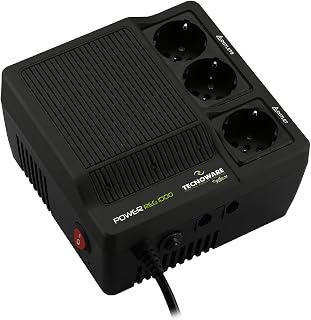





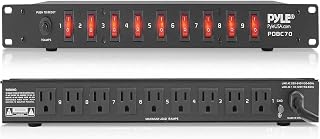
Choosing the right power accessory is about more than selecting the product with the highest advertised wattage or the longest feature list. Australian buyers need to consider electrical compatibility, charging standards, power capacity, connector types, safety features, portability, build quality and the way a product will actually be used. A compact accessory for a phone can have very different requirements from a high-output charger for a laptop, a multi-device charging station for a family or a power solution intended for travel.
This guide is designed to help compare power accessories available to Australian consumers by looking beyond headline specifications. When evaluating products, compare the manufacturer's specifications, supported charging protocols, included accessories, warranty information, independent customer feedback and the conditions under which the product is intended to operate.
The power-accessories category covers a broad range of products used to supply, distribute, convert, protect or organise electrical power. Depending on the particular buying guide or product selection, this can include USB wall chargers, GaN chargers, power banks, charging stations, USB-C power adapters, extension solutions, surge-protection accessories, travel adapters, car chargers and charging cables.
Because these products perform different jobs, there is no single specification that determines which option is best. A power bank should be assessed largely on battery capacity, output, recharge time and portability, while a wall charger requires closer attention to output profiles, charging protocols, port configuration and thermal management.
Wattage indicates how much power a compatible charger can deliver under specified conditions. A higher number is not automatically better. The charger must support the power requirements and charging protocol of the connected device, and the cable must also be suitable for the intended charging level.
For everyday devices, compare the manufacturer's recommended charging requirements with the charger's maximum output. If a charger advertises a high total wattage across several ports, check whether that figure applies to one port or depends on how the available power is divided when multiple devices are connected.
USB-C is a connector type, not a guarantee of a particular charging speed. Products can use USB-C while supporting substantially different power levels and charging standards. USB Power Delivery, commonly abbreviated to USB PD, is particularly important when selecting chargers for modern phones, tablets, handheld devices and laptops.
Look for a clear output profile rather than relying only on a product's headline wattage. A charger may offer its maximum output only through a particular USB-C port, while another port may provide a lower level.
Gallium nitride, or GaN, is increasingly used in compact high-output chargers. GaN technology can allow manufacturers to design relatively small power adapters capable of handling substantial power output.
The presence of GaN should not by itself determine a purchase. Compare the complete specification, including port arrangement, output distribution, thermal design, charging protocols, dimensions, weight and included accessories. A conventional charger with an appropriate specification can still be the better choice for a particular setup.
Consider the devices you normally charge at the same time. A charger with several USB-C ports may be more useful for a modern device collection than one that combines a single USB-C port with several older connectors. Conversely, retaining a USB-A port can be valuable if you still use older cables or accessories.
Pay particular attention to whether all ports can operate simultaneously and how the available output is allocated. This matters for users who regularly charge a laptop, smartphone, smartwatch, headphones and other accessories from one power source.
Charging performance depends on communication between the power source and the connected device. Depending on the hardware, relevant standards and technologies can include USB PD, Programmable Power Supply and manufacturer-specific fast-charging systems.
Before buying, identify which charging standards your devices actually support. A charger that advertises a high maximum output may not provide the fastest possible charging rate to every device if the required protocol is unavailable.
Power-bank capacity is commonly expressed in milliamp-hours, or mAh, but this number should not be treated as a direct measurement of the energy that will reach a phone or other device. Conversion between the battery's internal voltage and the output voltage introduces losses, and real-world performance also depends on charging electronics, cable quality and operating conditions.
For a meaningful comparison, consider both the advertised capacity and the manufacturer's stated output specifications. A larger power bank is not necessarily the best travel option if its additional weight and size outweigh the extra capacity you need.
A basic power bank can be adequate for maintaining a smartphone during a day away from a wall outlet. Users who need to charge tablets, gaming devices or USB-C laptops should pay much closer attention to output wattage and supported charging standards.
Check whether the advertised output is available continuously under the conditions you expect to use. Multi-port power banks can also reduce available output when several devices are connected simultaneously.
Recharge time is an overlooked specification. A high-capacity power bank can be inconvenient if it requires a long period to recharge before it can be used again. Compare the power bank's input specification with the charger you intend to use.
If rapid turnaround is important, look for a model that supports a suitable high-power input and use a compatible charger and cable. The maximum input should be considered separately from the power bank's maximum output.
A wall charger is often the most practical upgrade for a household with several modern devices. Instead of carrying multiple adapters, a suitably configured multi-port charger can consolidate charging into one unit.
Single-port chargers are straightforward and can be an excellent choice when one device needs maximum available power. They can also be easier to compare because there is no uncertainty about how output will be shared between devices.
Multi-port models are useful for desks, bedside tables, offices and travel. However, compare the power allocation carefully. For example, a charger marketed with a high total wattage may deliver different output combinations depending on whether one, two or several ports are occupied.
Check the manufacturer's output table whenever possible. It can reveal important details that are not obvious from the product's headline specification.
Travel requirements differ from home charging requirements. Australian travellers should consider the destination's socket configuration, voltage and frequency requirements, as well as the input specifications of their electronics.
A travel adapter changes the physical connection between a plug and a socket; it does not necessarily convert voltage. A voltage converter or transformer is a different type of product and may be required for equipment that is not designed for the destination's electrical supply.
For international travel, verify the input range printed on the device or its official documentation rather than assuming that every charger is universally compatible. Many modern electronic power supplies support broad input ranges, but this must be confirmed for the specific product.
Electrical products intended for Australian use should be assessed for appropriate Australian electrical compatibility and relevant regulatory requirements. Buyers should look for clear manufacturer information and avoid products with suspiciously incomplete specifications, unclear electrical ratings or questionable documentation.
Do not assume that a familiar brand name or attractive appearance guarantees that a particular marketplace listing is genuine. When buying online, compare the seller information, model number, manufacturer's documentation and product packaging details.
For mains-powered accessories, safety should take priority over minor differences in price, size or cosmetic design. If a product becomes unusually hot, emits an unusual smell, makes abnormal noises, shows visible damage or behaves unpredictably, discontinue use and follow the manufacturer's safety guidance.
Surge-protection products are designed to provide protection against certain electrical transients, but they should not be treated as an all-purpose guarantee against every electrical event. Compare the manufacturer's specifications and intended use rather than assuming that a product labelled as a surge protector provides the same level of protection as every competing model.
When comparing power boards and extension products, examine the rated load, number and spacing of outlets, cable length, switch design, overload protection and physical construction. Avoid exceeding the stated electrical rating.
A charger and device can only perform within the limits imposed by the complete charging chain. The cable is part of that chain. USB-C cables can differ substantially in their supported power and data capabilities, so the presence of a USB-C connector does not establish the cable's maximum performance.
For higher-power charging, verify that the cable is rated for the intended power level. For devices that also require fast data transfer, check the cable's data specification separately. A cable suitable for charging may not provide the data performance required for an external drive, monitor or docking setup.
Laptop users should pay particular attention to sustained power requirements. A smartphone charger may physically connect to a USB-C laptop but still be unsuitable for efficient charging if its output is too low.
When comparing laptop-compatible chargers, check the laptop manufacturer's recommended power requirements and compare them with the charger's USB PD output. For a laptop that supports USB-C charging, the ideal charger should provide an appropriate power level without forcing you to carry unnecessary bulk.
Users who regularly work from multiple locations may benefit from a compact charger that can power a laptop and smaller devices from one adapter. However, confirm the output-sharing behaviour before relying on it as a replacement for several dedicated chargers.
For smartphones and tablets, compatibility, portability and charging convenience are usually more important than simply choosing the highest available wattage. A well-matched charger can provide the required charging performance without being unnecessarily large.
When comparing options from brands such as Anker, Belkin, UGREEN, Baseus and Spigen, examine the specific model rather than assuming that all products from the same brand have identical capabilities. Product generations and individual models can differ in port configuration, charging standards, maximum output and included accessories.
A useful ranking should not rely on one specification. Each product can be assessed against the same set of criteria so that premium high-output products are not automatically considered better than compact everyday options.
High output is useful only when your devices can use it and when the charger provides that output through the required charging protocol. Excess capacity can add cost, size and weight without delivering a practical benefit.
USB-C describes the connector and interface, not a universal charging specification. Always examine the actual output and supported protocols.
The total advertised output of a multi-port charger does not necessarily mean that every port can deliver that amount at the same time. Read the manufacturer's port-by-port output table.
Extremely low prices, incomplete specifications, inconsistent product photographs and unclear seller information should prompt additional research. Compare the model number with the manufacturer's documentation and check verified customer feedback for the exact product.
A high-output charger paired with a cable that cannot support the intended charging level can prevent you from receiving the expected performance. Match the cable to the charger and device.
Two chargers can have similar electrical specifications while being very different in size. A charger that blocks neighbouring wall outlets or is inconvenient to pack may be a poor choice despite strong technical specifications.
Customer reviews can reveal practical issues that specifications do not always communicate, but they should be interpreted carefully. Look for recurring comments rather than relying on a single unusually positive or negative review.
Prioritise a compact wall charger with an appropriate USB-C output, reliable charging compatibility and a size that suits your home or travel setup. There is little benefit in carrying a large high-output charger if you only need to charge a phone and small accessories.
A multi-port USB-C charger can be particularly convenient. Look for enough total capacity to support the laptop while providing useful output to the phone at the same time. The manufacturer's simultaneous-use output table is especially important here.
For households charging several devices, prioritise port count and sensible power distribution. A charging station or multi-port charger may be more convenient than several individual adapters, provided its output matches the combined requirements of the devices.
Travel users should prioritise compact dimensions, international compatibility where required, suitable voltage input, robust construction and a port arrangement that minimises the number of separate adapters and cables required.
A power bank should be assessed for capacity, output, recharge options, durability and portability. If it will remain stored for long periods, follow the manufacturer's storage and charging recommendations rather than assuming that maximum capacity alone makes it suitable for emergency use.
Power accessories are frequently carried in bags, moved between rooms and plugged and unplugged repeatedly. Build quality therefore has practical value. Look at the housing, connector reinforcement, cable strain relief, plug construction and overall design.
Metal housings can provide a premium feel and may assist with heat dissipation, while high-quality polymers can reduce weight and may be more practical for travel. Neither material automatically guarantees better performance. The engineering, thermal design, component quality and manufacturer's specifications matter more than appearance alone.
Charging electronics naturally generate heat, particularly when operating at higher power. Good thermal management helps equipment operate within its intended limits. Buyers should distinguish between normal warmth and excessive heat.
Do not cover chargers or power banks during operation, place them where heat can dissipate and follow the manufacturer's instructions. If a device repeatedly becomes excessively hot or behaves abnormally, stop using it and investigate the manufacturer's safety guidance.
Proper maintenance can help preserve the usefulness of power accessories. Keep connectors clean and dry, avoid sharply bending cables, protect power banks from extreme temperatures and inspect equipment regularly for damage.
A budget product can be perfectly suitable when its specifications, safety information and construction meet your needs. The challenge is distinguishing genuine value from a product that appears inexpensive because important capabilities or protections are missing.
Premium products may justify their additional cost through compact designs, higher output, better port configurations, broader protocol support, stronger construction or more detailed manufacturer documentation. Compare those tangible benefits rather than paying more simply for a familiar logo.
Brands including Anker, Belkin, UGREEN, Baseus, Satechi, AUKEY and Spigen offer products across different segments, but brand reputation should complement rather than replace model-level specification checking.
The best option depends on the devices being charged, required output, number of ports, portability and budget. A compact USB-C charger can be ideal for a phone, while a higher-output multi-port charger may make more sense for a laptop and several accessories.
No. A higher-watt charger can provide additional capacity, but the connected device must support the relevant charging standard and power level. Extra output may offer little practical benefit for low-power devices.
No. USB-C is a connector and interface standard. Fast charging depends on the charger, device, cable and supported charging protocols.
GaN chargers can be worthwhile when compact size and high power are important. Compare the entire specification rather than choosing solely because a charger uses GaN technology.
The appropriate output depends on the phone model and its supported charging system. Check the device manufacturer's specifications and select a compatible charger rather than assuming that the highest advertised wattage will charge it faster.
Yes, when the charger provides suitable output and supports both devices. For multi-port charging, check how the charger reallocates power when more than one port is occupied.
Not precisely. Battery capacity is affected by voltage conversion and other losses, so the usable energy delivered to a device will be lower than a simple comparison of mAh figures may suggest.
Airline and aviation rules can apply to lithium-ion batteries and power banks, including restrictions based on battery energy rating and how the battery is carried. Check the current requirements of your airline and relevant aviation authority before travelling.
Not necessarily. Many modern electronic power supplies accept a broad input-voltage range, but this must be confirmed from the product's specifications. A plug adapter changes the physical plug connection; it does not automatically convert voltage.
Service life varies according to battery chemistry, charging cycles, storage conditions, operating temperature and usage patterns. Follow the manufacturer's charging, storage and safety instructions and replace a battery product if it becomes swollen, damaged or otherwise unsafe.
Some warmth can occur during normal operation, especially at high output. Excessive heat, unusual smells, visible damage or repeated abnormal behaviour should not be ignored. Disconnect the product and consult the manufacturer's safety guidance.
Price alone does not establish safety. Look for clear specifications, appropriate electrical information, credible manufacturer documentation and relevant protections. A well-specified product is more important than simply choosing the most expensive model.
The strongest power accessory purchase is the one that matches the devices and situations you actually have. Start with electrical requirements, then compare output, protocols, ports, cables, dimensions, safety features and build quality. For Australian buyers, also verify local electrical compatibility and current retailer information before ordering.
When comparing the top options in this category, avoid ranking products by one headline specification. A compact charger may be the better choice for daily commuting, a high-output GaN charger may suit laptop users, a multi-port unit may simplify a family charging station, and a suitably rated power bank may be more useful when wall power is unavailable.
Before making a final decision, compare the exact model specifications, read verified customer feedback, check current Australian pricing and confirm the product is appropriate for your devices. Taking these steps makes it easier to find a power accessory that provides the right balance of performance, convenience, compatibility and long-term value.