

♥ Wishlist
Compare 51 verified Electric Vehicle Accessories Australia products in Australia. Reviews, ratings, pros, cons and buying advice updated for October 2026.


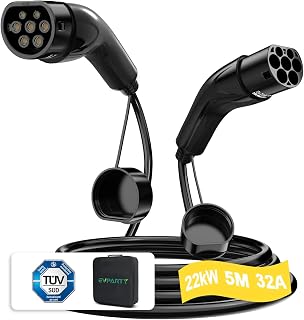


Choosing the right electric vehicle accessories is less about buying the largest collection of gadgets and more about matching each accessory to your vehicle, charging setup, driving habits and Australian conditions. A useful EV accessory should solve a genuine everyday problem, improve convenience or protection, and remain compatible with the vehicle for as long as possible.
This buying guide is designed for Australian EV owners comparing accessories across categories such as home and portable charging equipment, charging-cable storage, vehicle protection, interior organisation, phone mounting, tyre-related equipment, cleaning products and travel accessories. Product specifications, connector compatibility, vehicle fitment and safety features should always be checked before purchasing.
The best accessory depends on how and where an EV is driven. Someone who mainly charges at home may have very different priorities from a driver who regularly travels long distances, parks outdoors or uses public charging stations. Before comparing individual products, identify the practical problem the accessory needs to solve.
Compatibility is one of the most important considerations. Electric vehicles do not all use identical charging connectors, luggage layouts, floor dimensions, roof systems or mounting points. Accessories described as universal may fit many vehicles but should not automatically be assumed to fit every EV.
Check the exact make, model, model year and trim level wherever an accessory involves physical fitment. This is particularly important for floor mats, cargo liners, boot organisers, roof accessories, screen protectors, phone mounts and vehicle-specific storage products.
Charging accessories require additional attention because connector type, charging capability and electrical requirements can vary. Australian EV owners may encounter Type 2 AC charging connections and CCS2 DC fast-charging connections, while the vehicle's onboard charging capability determines how quickly it can accept AC power.
A charging cable should therefore be selected according to the vehicle, charging source and intended use rather than simply choosing the product with the highest advertised rating. Verify connector type, cable length, current rating, phase requirements where relevant, weather resistance, storage requirements and applicable electrical safety information.
Australian driving can involve intense sunlight, high temperatures, dust, rain, long highway distances and remote travel. Accessories used outside the cabin should be selected with durability and environmental exposure in mind.
For example, a cable stored in a hot vehicle may benefit from a robust storage solution that prevents unnecessary bending and abrasion. Exterior accessories should be able to tolerate the conditions in which they are intended to operate, while interior accessories should not create glare, obstruct controls or interfere with airbags.
Charging equipment is often the most important accessory category for an EV owner. The right setup can make charging more convenient, but compatibility and electrical safety should take priority over convenience features.
A portable charging solution can be useful when a suitable charging point is not immediately available. When comparing options, examine the connector configuration, cable length, current selection, display or status indicators, protective features and portability.
Do not assume that a portable charger can safely be used with any domestic outlet or extension arrangement. Electrical installations and charging equipment should be used according to the manufacturer's instructions and applicable Australian requirements. Where an installation is required, professional electrical advice may be appropriate.
An additional AC charging cable can be useful as a dedicated backup for public charging or for keeping one cable permanently in the vehicle. A longer cable can provide additional flexibility when the charging point is not positioned exactly where expected, but excessive length can also make storage more difficult.
Compare connector configuration, rated current, cable construction, flexibility, strain relief, protective caps and storage options. A cable that is technically compatible but awkward to handle may become inconvenient during everyday use.
Charging cables are substantial pieces of equipment, and storing them loose in the boot can take up valuable space. A dedicated cable bag or organiser can keep connectors separated from other luggage and help prevent unnecessary tangling.
Look for a durable construction, practical dimensions, strong handles or attachment points and enough ventilation or drainage where appropriate. The ideal size depends on the cable and charger being stored, so measure the equipment before buying.
EV owners sometimes concentrate on the charging unit and overlook the accessories needed to keep the charging area organised. Cable hooks, wall-mounted holders and storage brackets can reduce clutter and keep a heavy cable away from areas where it could be driven over or exposed to unnecessary wear.
However, accessories should never be used as substitutes for proper electrical installation or manufacturer-specified safety equipment. The electrical side of an EV charging setup deserves priority over cosmetic organisation.
A wall-mounted holder can provide a designated location for an EV charging cable when it is not in use. Before purchasing one, check the weight capacity, mounting method, material, dimensions and suitability for the intended environment.
For outdoor installations, consider exposure to rain, direct sunlight and temperature changes. The mounting surface is equally important because a holder that is suitable for one wall material may require different fixings on another.
Interior accessories can improve organisation and protect frequently used areas, but they should complement the original vehicle rather than interfere with safety systems or controls.
Floor mats are particularly useful for drivers who regularly encounter wet weather, mud, sand or dirt. When comparing mats, look at vehicle-specific fit, raised edges, material thickness, retention points and ease of cleaning.
A properly fitted mat should remain securely positioned and should not interfere with pedals. Avoid products that can move forward or bunch up in the driver's footwell.
A boot liner can protect the cargo area from groceries, luggage, sports equipment, pets and outdoor gear. Vehicle-specific liners generally offer a more precise fit than generic mats, but the exact design should be checked against the vehicle's boot configuration.
Consider whether the rear seats fold, whether the boot floor has adjustable positions, and whether access to storage compartments or tie-down points needs to remain unobstructed.
Seat covers can protect upholstery from everyday wear, spills, pets and outdoor activities. Compatibility is especially important where seats contain integrated airbags or sensors. A cover should never obstruct a safety system or be installed contrary to vehicle or accessory instructions.
Small storage organisers can make a surprisingly noticeable difference in everyday usability. They are useful for separating charging cards, sunglasses, cables, coins, keys and other small items.
Before buying, measure the storage compartment and check whether the organiser allows the lid to close normally. Poorly fitting inserts can rattle, reduce usable space or interfere with vehicle controls.
A secure phone mount can be useful when navigation, charging information or vehicle apps are accessed while driving. The priority should be a stable mounting position that does not obstruct the driver's view, instruments, controls or safety equipment.
Popular accessory brands such as Belkin and Spigen offer products across different mounting approaches, but the correct choice depends on the vehicle interior and the user's phone. Magnetic systems, vent mounts, dashboard mounts and other designs each have advantages and limitations.
Check the phone's dimensions, case compatibility and charging requirements before choosing a mount. A mount that works well with a bare phone may not accommodate a thick protective case.
Long-distance EV travel changes which accessories are genuinely useful. Drivers travelling between Australian cities or through regional areas may place greater value on organisation, tyre readiness, charging flexibility and weather protection than on cosmetic accessories.
Maintaining correct tyre pressure is important for vehicle handling, tyre wear and efficient driving. A reliable tyre-pressure gauge or suitable inflator can be useful as part of a vehicle emergency kit.
Always use the pressure specified for the vehicle rather than copying the maximum pressure printed on the tyre sidewall. The manufacturer's recommended pressure is the relevant reference for normal operation.
An EV should still carry appropriate basic roadside equipment for the type of driving being undertaken. Depending on the journey, useful items may include a warning device, torch, first-aid supplies, tyre-repair equipment where appropriate and other equipment recommended by the vehicle manufacturer.
Do not assume that equipment designed for petrol or diesel vehicles is automatically appropriate for an EV. Recovery procedures, towing requirements and lifting points should be checked in the vehicle documentation.
A compact rechargeable torch can be useful when checking tyres, charging equipment or luggage after dark. Look for practical battery life, a robust housing, a convenient charging method and a beam suitable for close-range vehicle work.
Electric vehicles can benefit from many of the same protection accessories used by conventional cars, although the shape and technology of the vehicle can create additional considerations.
Exterior protection products range from simple cleaning accessories to protective coatings and films. When comparing products, consider the surface for which they are designed, preparation requirements, durability claims, application complexity and compatibility with the manufacturer's paint or finish.
Be cautious about products that promise permanent protection or dramatic results without clearly explaining preparation, application and maintenance requirements.
Australia's strong sunlight makes windshield and window sunshades useful for many drivers. A well-fitting shade can reduce direct solar exposure inside the cabin and make the vehicle more comfortable after parking in the sun.
Vehicle-specific shades generally provide more complete coverage than generic designs. Check the windshield dimensions and whether the shade folds or rolls into a manageable storage size.
A dash camera can provide useful recorded footage of driving incidents, but installation and operation should not compromise visibility or distract the driver. Compare image quality, mounting method, storage requirements, parking-mode functionality and power options.
Storage capacity matters because higher-resolution video consumes more space. If a camera supports continuous recording or parking surveillance, check how recordings are managed and what power arrangement the manufacturer recommends.
Regular cleaning is about more than appearance. Dirt, road grime and contamination can accumulate around charging ports, door seals, wheels and other exposed areas. Choose cleaning tools according to the surface rather than relying on one product for every part of the vehicle.
High-quality microfibre towels can be useful for drying and detailing because they are available in different textures and absorbency levels. Separate towels for paintwork, glass, wheels and interior surfaces can help reduce cross-contamination.
Soft brushes, suitable microfibre cloths and purpose-designed interior cleaners can help maintain dashboards, screens and trim. Always follow the vehicle manufacturer's recommendations for sensitive surfaces and avoid abrasive materials on displays.
Material selection affects durability, weight, cleaning requirements and resistance to environmental conditions. The most expensive-looking material is not necessarily the best choice for a particular accessory.
Rubber and thermoplastic materials are common in floor mats, boot liners and protective accessories because they can be relatively easy to clean and resistant to moisture. Compare flexibility, odour, edge design, thickness and resistance to heat or sunlight.
Fabric accessories can offer a softer appearance and may be comfortable for certain applications. Their suitability depends on whether the material can be removed and cleaned easily and whether it is intended for exposure to moisture or heavy dirt.
Metal brackets, hooks and mounts can provide strength, but the finish and construction matter. For accessories used outdoors, corrosion resistance should be considered alongside load capacity and mounting security.
Price alone does not determine value. A low-cost accessory that needs frequent replacement may provide less practical value than a more durable product that performs reliably for longer. Conversely, an expensive accessory may offer features that a particular driver never uses.
Consider the accessory's frequency of use, expected lifespan, construction, warranty information supplied by the manufacturer, replacement cost, ease of cleaning, compatibility and storage requirements. Customer reviews can be useful for identifying recurring issues, but specifications and manufacturer instructions should remain the primary source for technical compatibility.
Customer reviews are particularly useful when they reveal patterns rather than isolated experiences. Look for comments that repeatedly mention fit, installation difficulty, durability, cable flexibility, material quality or compatibility with the same vehicle model.
Pay attention to reviews that identify the exact vehicle and configuration. A positive review for one EV does not necessarily establish compatibility with another model.
It is also worth separating product quality from retailer-specific issues. Packaging damage, shipping delays or customer-service experiences may not indicate whether the accessory itself performs as intended.
Depending on the accessory category, Australian shoppers may encounter established automotive and technology brands such as Bosch, Belkin, Spigen, Anker, Michelin, Ring Automotive, NOCO, Thule and Turtle Wax. Brand recognition can be a useful starting point, but it should not replace checking the specifications of the individual product.
For charging equipment in particular, the brand name is only one part of the decision. Connector compatibility, electrical specifications, safety features, installation requirements and suitability for the intended charging environment should take precedence.
A basic setup can focus on practical protection and organisation. Suitable priorities include properly fitted floor protection, a boot liner where needed, charging-cable storage and a dependable tyre-pressure solution. This approach avoids spending money on accessories that may have little impact on daily driving.
Drivers who use their EV every day may benefit from accessories that reduce repeated friction. A dedicated cable organiser, phone mount, interior storage solution, sunshade and easy-clean protective mats can be more valuable than novelty accessories.
For longer journeys, prioritise charging flexibility, tyre readiness, luggage organisation, visibility and basic roadside preparedness. Storage space is limited in many vehicles, so every accessory should justify the space and weight it adds.
Drivers who regularly park outside may place greater emphasis on sun protection, exterior cleaning, weather-resistant storage and durable materials. Check whether products are genuinely designed for outdoor exposure rather than assuming that a generic automotive accessory will withstand Australia's climate.
Safety should take precedence over convenience. Accessories must not obstruct airbags, pedals, windows, cameras, sensors, lights or driver visibility. Charging products deserve particular caution because unsuitable electrical equipment can create serious risks.
Never modify charging equipment or electrical connections simply to make an incompatible setup work. Follow the manufacturer's installation and operating instructions, and seek qualified professional advice where electrical work is involved.
Heavy objects should also be secured so they cannot become projectiles during sudden braking. Roof-mounted and externally mounted accessories should be installed according to their specified load and mounting requirements.
The most useful accessories depend on individual driving habits. For many owners, practical priorities include suitable charging equipment, cable storage, floor protection, boot protection, a tyre-pressure solution and a secure phone mount. Drivers who travel frequently may have additional requirements.
No. Charging compatibility varies according to the vehicle and charging equipment. Check the vehicle's charging specification and the connector configuration before purchasing a cable or portable charger.
It can be useful for drivers who need additional charging flexibility, but the decision depends on where the vehicle is normally charged. Check electrical requirements, connector compatibility, charging capability and the intended power source before purchasing.
Universal products can be convenient when precise vehicle fit is not essential. However, vehicle-specific accessories are often preferable for products such as floor mats, boot liners and some storage solutions because fit can vary substantially between models.
Check connector type, current rating, cable length, construction, flexibility, environmental suitability and compatibility with both the vehicle and charging equipment. Avoid selecting solely on maximum advertised charging speed.
Do not assume a standard extension cord is suitable for EV charging. Charging can place sustained electrical loads on equipment, so follow the charging equipment manufacturer's instructions and relevant Australian electrical guidance.
They can be similar in purpose, but EV interiors vary in dimensions and floor layouts. Vehicle-specific fit, retention points, pedal clearance and coverage are more important than whether a mat is marketed specifically as an EV product.
Check mounting stability, phone and case compatibility, visibility, charging access and whether the mount interferes with controls or safety equipment. The best position is one that provides useful access without creating a distraction or obstruction.
Inspect frequently used accessories periodically for cracking, excessive wear, loose mounting hardware, damaged cables, exposed conductors, distorted components or other signs of deterioration. Charging equipment should receive particular attention because damage can have safety implications.
Start with the accessories that solve immediate practical needs rather than buying a complete collection at once. Confirm the vehicle specifications, identify how you charge and drive, then add protection, organisation and travel accessories according to actual usage.
The best EV accessories are the ones that fit the vehicle correctly, perform the intended job reliably and remain practical under real Australian driving conditions. Start with compatibility and safety, then compare construction, convenience, storage, cleaning requirements and long-term value.
For charging products, treat electrical specifications and manufacturer instructions as essential information rather than optional details. For vehicle accessories, verify exact fitment and make sure nothing interferes with visibility, airbags, pedals or controls.
Before purchasing, compare product specifications, check verified customer reviews, review the manufacturer's compatibility information and compare current options from trusted Australian retailers. A careful comparison is usually more valuable than simply choosing the accessory with the highest rating or the longest feature list.