

♥ Wishlist
Compare 58 verified Gardening Tools for Australian Gardens products in Australia. Reviews, ratings, pros, cons and buying advice updated for October 2026.








Choosing the best gardening tools is less about buying the largest collection and more about selecting equipment that suits your garden, climate, soil, plants and frequency of use. Australian gardens can range from compact urban courtyards and balconies to large suburban yards, vegetable gardens and properties with established trees, so the right tool set for one gardener may be excessive or inadequate for another.
Before comparing individual products, consider what jobs you actually perform. Digging and planting require different tools from pruning, lawn maintenance, weeding or harvesting. A gardener who mainly maintains raised beds may prioritise a hand trowel, cultivator, secateurs and quality gloves, while someone maintaining established trees and larger garden beds may need loppers, a pruning saw, a shovel, a rake and longer-handled equipment.
For Australian buyers, it is also worth considering storage conditions, handle materials, corrosion resistance, replacement parts, blade maintenance and the availability of compatible accessories. A tool that performs well initially can become poor value if it is difficult to maintain or uncomfortable to use.
The materials used in a gardening tool influence durability, weight, maintenance requirements and comfort. Metal working ends should be sufficiently robust for their intended task without making the tool unnecessarily heavy. Stainless steel can be attractive for gardeners who want easier resistance to corrosion, while coated or treated carbon-steel components may offer a useful balance of strength and cost.
Handles deserve the same attention as blades and working heads. Hardwood, fibreglass, reinforced polymer and metal handles each have different characteristics. A wooden handle can provide a traditional feel, whereas fibreglass and reinforced synthetic handles can be useful where low maintenance and resistance to weather exposure are priorities.
Comfort becomes increasingly important when a tool is used for extended periods. Look for handles that allow a secure grip without requiring excessive squeezing. Non-slip surfaces can be useful when working with wet hands, while appropriately shaped grips may reduce pressure on the fingers and palm.
For secateurs and other hand-operated tools, pay particular attention to the spring mechanism, handle opening and locking system. If the tool requires considerable force to operate, it may become tiring during repetitive pruning.
A lightweight tool is not automatically better. A shovel, fork or hoe needs enough strength and suitable balance to transfer force into soil without excessive flexing. Conversely, unnecessarily heavy tools can become uncomfortable during prolonged gardening.
When comparing products, consider the complete tool rather than focusing only on the working head. The relationship between handle length, head weight and grip position can have a significant effect on how natural the tool feels during use.
Secateurs are among the most useful tools for routine garden maintenance. They are commonly used for trimming smaller stems, removing damaged growth and shaping suitable plants. When comparing secateurs, examine blade quality, cutting capacity, locking mechanism, spring design and handle comfort.
Bypass secateurs are designed with blades that pass one another in a scissor-like action and are commonly considered suitable for making clean cuts through appropriate living stems. Anvil-style designs use a cutting blade against a supporting surface and may be useful for certain types of tougher or dead material. The correct choice depends on the work being performed.
Well-known gardening brands such as Fiskars, Bahco and Gardena offer different styles and configurations. However, brand recognition should not replace specification checking. Compare the intended cutting capacity, replacement components, grip design and maintenance requirements before buying.
Loppers provide greater leverage than hand secateurs and are useful when branches are beyond the comfortable capacity of smaller pruning tools. Long handles increase leverage but can also add weight and make the tool less convenient in confined spaces.
When evaluating loppers, check the cutting mechanism, maximum recommended branch diameter, handle construction, overall length and adjustment options where provided. Avoid treating the stated cutting capacity as an instruction to force the tool through material beyond its intended use.
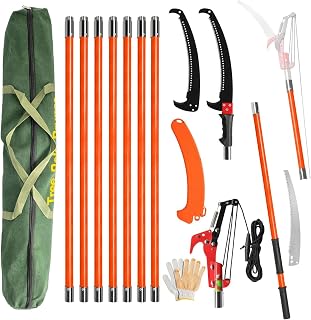
A pruning saw can complement secateurs and loppers when dealing with branches that are too large for either. Look for a rigid blade, appropriate tooth configuration, secure handle and a protective storage solution.
Some pruning saws have folding blades, which can make storage and transport easier. Fixed-blade models may appeal to gardeners who prefer a straightforward design. The important consideration is matching the saw to the type and size of pruning work rather than choosing solely according to blade length.
Spades are particularly useful for digging, edging and working through established soil, while shovels are commonly used for moving loose material. Blade shape, shaft length, handle configuration and overall weight all influence suitability.
For hard or compacted ground, a robust construction is important, but technique also matters. Using a shovel for jobs it was not designed to perform can bend components or damage the handle. A dedicated digging tool, garden fork or mattock may be more appropriate for particularly difficult ground.
Garden forks are useful for loosening soil, turning suitable organic material and working around areas where a solid spade may be less effective. Tine strength and spacing are key considerations.
Look for a secure connection between the head and shaft. The junction is a common area of stress, particularly when the fork is used to lever or break compacted material.
Hand tools are essential for container gardening, transplanting seedlings, planting flowers and working in raised beds. A good trowel should have a comfortable handle and a suitably shaped blade for the depth and type of planting work you normally perform.
Hand cultivators are useful for loosening the surface of beds and breaking up suitable soil around plants. Their usefulness depends heavily on tine construction and spacing, particularly when working around established roots.
Rakes vary considerably by design. Leaf rakes with flexible tines are intended for gathering leaves and light garden debris, while bow or soil rakes with stronger tines are better suited to levelling and working loose soil or garden material.
Do not assume one rake can perform every task equally well. The width, tine material, head flexibility and handle length should match the job.
Hoes can help cultivate soil and manage weeds in suitable garden beds, while specialised hand weeders can provide greater precision around established plants. The ideal design depends on soil condition, weed type and planting density.
For densely planted beds, a compact hand tool may offer better control than a broad hoe. For open vegetable beds, a longer-handled tool can reduce repeated bending and make routine maintenance more efficient.
Gloves should not be treated simply as an inexpensive accessory. The right pair can improve grip, protect hands from rough materials and provide useful protection during pruning, planting and general maintenance.
Choose according to the work. Lightweight gloves may suit planting and light maintenance, while tougher materials can be preferable for handling thorny plants, rough timber or abrasive garden materials. Breathability is also important in Australia's warmer conditions.
Manual tools remain practical for many everyday gardening jobs because they are quiet, require no battery charging and are generally straightforward to maintain. Secateurs, hand trowels, forks and rakes can also be stored easily and used immediately.
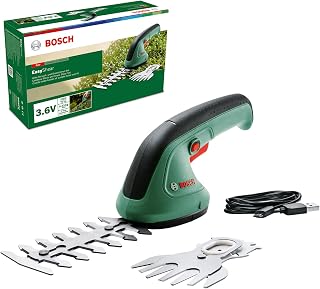
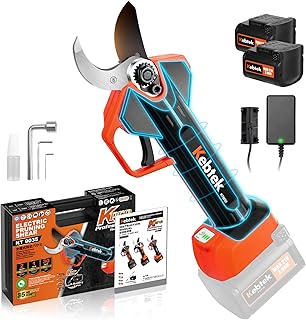
Battery-powered equipment becomes more attractive when the scale of the work increases. Cordless trimmers, pruners, blowers and other equipment can reduce physical effort and speed up repetitive tasks. However, battery platforms introduce additional considerations such as runtime, charging, battery compatibility, replacement costs and storage.
If buying multiple cordless products, it can be useful to compare whether they share a battery ecosystem. Brands such as Ryobi, Makita, Bosch and DeWalt offer cordless product families, but compatibility should always be confirmed at the model and battery-platform level before purchase.
Brand familiarity can be useful when narrowing choices, but the first question should be what the tool needs to accomplish. A premium pruning tool will not compensate for choosing the wrong cutting mechanism, and a heavy-duty shovel may be unnecessary for a small balcony garden.
Compare overall length, blade or head dimensions, weight, cutting capacity and handle construction. For hand tools, also consider whether the grip is appropriate for your hand size and whether the locking mechanism can be operated easily.
Long-term value can depend on whether important components can be replaced. For appropriate tools, replacement blades, springs, handles or batteries may extend useful life. Check the manufacturer's documentation and product specifications rather than assuming replacement parts will always be available.
Customer reviews can reveal practical issues that are difficult to identify from specifications alone, including grip comfort, assembly quality, storage problems and long-term usability. Give greater weight to reviews that explain how and where the product was used.
Be cautious about reviews that focus only on packaging, first impressions or delivery. Those comments may provide useful information, but they do not necessarily establish how well a gardening tool performs over an extended period.
Buying a large kit without checking the individual tools: A large set can appear economical but may contain tools you rarely use or components that are less suitable for demanding work.
Choosing solely by price: The cheapest option may not provide the construction, comfort or maintainability required for frequent gardening.
Ignoring tool weight: A robust tool can still be uncomfortable if it is excessively heavy for the intended user.
Using the wrong tool for the job: Forcing a hand tool beyond its intended capacity can cause premature damage and may create an avoidable safety risk.
Ignoring handle construction: The working head receives attention in many product descriptions, but handle strength and attachment quality are equally important.
Failing to plan storage: Wet or exposed tools can deteriorate faster, particularly when they are not cleaned and dried after use.
Overlooking replacement components: A tool that can be maintained may provide better long-term value than one that must be replaced after a relatively small component wears out.
Stainless steel is valued for its resistance to corrosion and relatively straightforward maintenance. It can be a sensible option for gardeners who regularly work in damp conditions, although stainless steel tools still benefit from cleaning and drying.
Carbon steel can provide strong, durable working components but generally requires more attention to prevent corrosion. Cleaning, drying and appropriate storage are particularly important.
Aluminium can reduce overall weight, making it useful in some handles and garden equipment. Its suitability depends on the design and the level of force the tool is expected to withstand.
Fibreglass handles are commonly used where manufacturers want a combination of strength and relatively low maintenance. Check the construction and connection points rather than evaluating the handle material alone.
Wooden handles remain popular because of their traditional appearance and natural feel. Quality varies, so inspect the finish, straightness, attachment and condition of the handle. Wooden components should be kept reasonably dry and maintained according to the manufacturer's instructions.
Space-conscious gardeners generally benefit from compact hand tools, lightweight equipment and products that can be stored without taking up much room. A small trowel, hand cultivator, secateurs, gloves and compact watering equipment may cover many routine tasks.
Raised beds often benefit from hand trowels, cultivators, precision weeders, secateurs and a suitable digging tool. Ergonomics are particularly relevant because gardening in a confined bed can involve repetitive movements.
Larger gardens require a broader toolkit. A sensible collection can include a spade, shovel, garden fork, rake, hoe, secateurs, loppers, pruning saw and suitable protective equipment. Larger properties may also justify cordless equipment where repetitive cutting or clearing is required.
Pruning work calls for tools matched to branch diameter and plant structure. Secateurs are useful for smaller stems, loppers provide greater leverage and pruning saws are appropriate when branches exceed the practical capacity of hand shears.
Remove soil, plant residue and other debris after gardening. Keeping tools clean helps preserve moving parts and makes it easier to identify damage before the next use.
Do not routinely leave metal tools wet after use. Dry them before storage and follow the manufacturer's maintenance recommendations for lubrication or corrosion protection where applicable.
Dull blades can make pruning unnecessarily difficult and may encourage users to apply excessive force. Cutting tools should be sharpened or serviced using an appropriate method for the specific blade design. Replace damaged components rather than continuing to use equipment that no longer operates correctly.
Check shafts, handles, fasteners and head connections periodically. Cracks, looseness, excessive movement or other structural damage should not be ignored, particularly on tools used for digging or levering.
Whenever possible, keep tools in a dry, organised storage area where working edges are protected. Hanging long-handled tools can reduce clutter and help prevent accidental damage, while protective covers can be useful for suitable blades.
Use every tool according to its intended purpose and the manufacturer's instructions. Wear suitable protective equipment for the task, especially when pruning, cutting, digging or handling thorny vegetation. Eye protection can be appropriate when working with material that could move unexpectedly.
Maintain a stable stance when using long-handled tools and avoid excessive force. Keep cutting edges away from your body and store sharp tools securely. Battery-powered equipment should be handled according to the manufacturer's charging, storage and operating instructions.
For powered equipment, check whether the product requires specific protective equipment, operating procedures or maintenance. Children and other people who are not operating the equipment should be kept clear of active work areas.
Rather than purchasing every available garden accessory, build your collection around recurring tasks. A useful starting group for many home gardeners can include quality secateurs, a hand trowel, hand cultivator, garden gloves, a suitable spade or shovel, a garden fork and a rake.
As your garden develops, add loppers or a pruning saw if pruning demands increase. A hoe or specialist weeding tool can be added when weeds become a regular maintenance issue. Larger gardens may justify additional long-handled tools or cordless equipment.
This approach can provide better value than buying a large kit immediately because every subsequent purchase is based on an identifiable gardening requirement.
The best-value gardening tool is not necessarily the product with the lowest purchase price. Consider expected frequency of use, construction quality, ergonomics, maintenance requirements, replacement parts and suitability for the job.
A frequently used secateur, shovel or rake deserves more attention than a tool that is only used once or twice each year. Conversely, occasional gardeners may reasonably prioritise affordability when the tool is unlikely to experience intensive use.
When comparing current options, check the complete specification and compare equivalent products rather than relying on headline features. Also account for accessories that may be required separately, particularly with powered equipment.
Several established brands are commonly encountered when comparing gardening equipment in Australia. Fiskars is known for a broad range of cutting and garden tools, while Gardena offers equipment across multiple garden-maintenance categories. Bahco is another established name worth considering for pruning and cutting equipment.
For cordless garden equipment, product families from brands such as Ryobi, Makita, Bosch and DeWalt may be worth investigating where battery-platform compatibility is important. The best choice still depends on the specific model, specifications and intended application rather than the brand name alone.
Always compare the exact product model, included accessories, dimensions, compatibility information and manufacturer's instructions before purchasing.
What gardening task will this tool perform most often?
Is the tool correctly sized for the work and the person using it?
Is the cutting capacity or working capacity appropriate for the material involved?
What materials are used for the blade, head, shaft and handle?
Is the grip comfortable enough for repeated use?
How much does the complete tool weigh?
Can important components be maintained or replaced?
Does the product require a particular battery, charger or accessory?
How should the tool be cleaned and stored?
Do independent customer reviews identify recurring durability or usability concerns?
Does the product specification match the manufacturer's intended application?
Is a less expensive tool sufficient for the amount of work I actually perform?
Australian gardeners should consider local environmental conditions when selecting equipment. High temperatures can make comfort and grip especially important during outdoor work. Exposure to moisture, soil and seasonal weather can also influence the maintenance required for metal tools.
Storage is particularly important when gardening equipment is used outdoors. Even corrosion-resistant materials should not be treated as maintenance-free. Cleaning soil and plant residue, drying equipment and following manufacturer recommendations can help keep tools in better condition.
Gardeners should also consider the physical layout of their property. Long handles can be helpful in open garden beds but awkward in tight spaces. Compact tools can offer excellent control in raised beds but may be inefficient for large areas. Matching tool dimensions to the garden can therefore be just as important as selecting the right material.
A practical starting collection commonly includes secateurs, a hand trowel, garden gloves, a spade or shovel, garden fork and rake. The ideal combination depends on the garden's size, plants and maintenance requirements.
They can be worthwhile when a tool is used frequently and the additional construction quality, ergonomics, durability or maintainability justify the higher cost. For occasional gardening, a simpler product may provide sufficient performance.
Consider the cutting mechanism, suitable cutting capacity, blade construction, grip, spring action, locking mechanism and ease of maintenance. Choose a design that matches the type and size of stems you regularly prune.
Stainless steel can provide useful corrosion resistance and straightforward maintenance, but material alone does not determine overall quality. Construction, blade design, handle attachment and intended use should also be considered.
A spade is generally associated with digging and cutting into soil, while a shovel is commonly used for moving loose material. The correct choice depends on the shape of the tool and the particular job.
A set can be convenient when you need several basic tools at once, but individual purchases allow you to select each tool according to its intended use. Compare the quality and usefulness of every included item rather than judging a set by its total piece count.
Tools should generally be cleaned after use when they have accumulated soil, sap or plant material. Cutting tools and equipment exposed to particularly wet or dirty conditions may require additional attention.
Clean and dry tools before putting them away, protect sharp edges where appropriate and store equipment in a dry, organised location. Follow the manufacturer's storage instructions for powered tools and batteries.
Compact hand tools such as a trowel, cultivator, precision weeder and secateurs are often convenient for raised beds. Tool length should provide enough reach without making it difficult to work accurately around plants.
Check the exact model, dimensions, materials, included accessories, compatibility, manufacturer instructions and customer feedback. For powered equipment, verify battery and charger requirements. Also check current retailer information for delivery, returns and applicable warranty terms before completing a purchase.
Match the tool to the actual gardening task.
Compare materials, dimensions and weight.
Prioritise comfortable handling for repetitive work.
Check cutting or working capacity against your requirements.
Inspect handle and head construction.
Consider maintenance and replacement components.
For cordless products, confirm battery-platform compatibility.
Read detailed customer feedback rather than relying solely on star ratings.
Compare equivalent specifications across several brands.
Consider where and how the tool will be stored.
Follow manufacturer instructions for operation, cleaning and maintenance.
Compare current specifications and retailer information before purchasing.
The strongest gardening-tool purchase is one that solves a real maintenance problem without introducing unnecessary complexity. Start with the jobs your garden requires most often, identify the appropriate tool category, then compare construction, ergonomics, specifications, maintenance and long-term practicality.
For Australian gardeners, the best buying decision will also reflect local conditions, available storage and the scale of the property. A compact collection of well-chosen hand tools can be more useful than a large assortment of rarely used equipment, while larger gardens may benefit from carefully selected powered tools and complementary manual equipment.
Before making a final purchase, compare the latest product specifications, read verified customer reviews, check the exact model and included accessories, and compare current prices from trusted Australian retailers. Product availability and specifications can change, so the information supplied with the current listing should take priority over older descriptions.