

♥ Wishlist


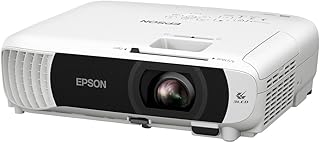


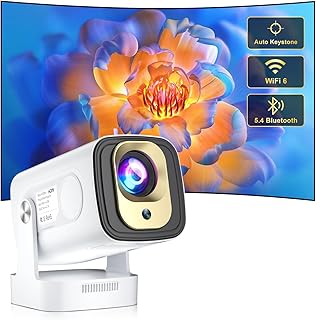


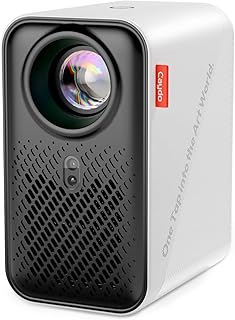
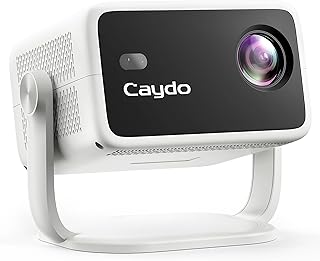


Choosing the right projector can transform a spare room into a home cinema, make presentations easier to view, or create a flexible entertainment setup for movie nights and gaming. The Projectors category brings together display solutions for different spaces, viewing habits and practical requirements. Australian shoppers can compare projector types and features to find an option that suits their room, content and preferred setup.
Projectors work by displaying video, images or presentations onto a wall or projection screen. Unlike a conventional television, a projector can provide a much larger viewing area while offering flexibility around placement and screen size. Depending on the model, projectors may suit home entertainment, business presentations, classrooms, gaming, outdoor viewing and portable use.
The best projector depends on how and where you plan to use it. For a dedicated entertainment room, consider models designed around large-screen viewing and cinematic content. A compact projector can be more practical for bedrooms, smaller spaces or occasional use. If you need a display for work, portability and connection options may be more important than maximum screen size.
Home cinema projectors are designed for immersive movie and television viewing. When comparing options, look at image resolution, brightness, contrast and available connections. Room lighting also matters because ambient light can affect how clearly projected images appear. A darker room generally provides better conditions for large-screen entertainment.
Portable projectors can be useful when flexibility matters. Their compact design can make them easier to move between rooms or take on suitable trips and events. Consider the projector's dimensions, power requirements, connectivity and setup process before choosing a portable model.
Projectors for work and presentations need to display text, charts and images clearly. Brightness, resolution and connection compatibility are important considerations for meeting rooms, offices, training areas and educational environments. A model that is simple to connect and adjust can also make regular presentations more convenient.
Projector specifications can vary considerably, so comparing the features that matter for your intended use can help narrow your choices. Resolution affects image detail, while brightness influences visibility in different lighting conditions. Check the manufacturer's stated specifications and consider the room where the projector will be used.
Connectivity is another important consideration. Depending on your devices, you may want compatible video inputs, USB connections, wireless functionality or other supported connection methods. Check compatibility before purchasing, particularly if you plan to connect a laptop, streaming device, game console or other source.
Projection distance and available space should also be considered. A projector needs suitable positioning to create the desired image size. Some models provide additional adjustment features that can make installation easier. For permanent setups, consider where the projector, screen and connected devices will be positioned before buying.
A large projected image can create an engaging gaming or entertainment experience. Gamers should pay attention to specifications that affect responsiveness, image quality and compatibility with their gaming hardware. For movies and streaming, resolution, brightness and connection options can be especially relevant.
For outdoor entertainment, remember that environmental conditions can influence the viewing experience. Ambient light, available power, projection surface and weather protection should all be considered. Projectors and related equipment should be used according to the manufacturer's operating instructions and environmental limitations.
Start by defining the primary purpose of your projector. A home cinema setup may require different features from an office presentation system or a portable entertainment device. Next, assess the room size, available lighting, projection distance and preferred image size.
It is also useful to consider how often the projector will be moved. A fixed installation may prioritise placement and image performance, while a portable setup may benefit from a compact design and straightforward connections. Australian shoppers should also check the supplied power requirements and product specifications for compatibility with their intended setup.
Measure the available area before purchasing. Consider the distance between the projector and projection surface, ceiling or shelf placement, seating position and access to power. Planning these details first can help avoid choosing a projector that does not suit the intended room.
Rather than paying for specifications you may never use, focus on features that support your actual viewing habits. Compare resolution, brightness, connectivity, portability and installation requirements alongside the overall price. This approach can make it easier to identify a projector that provides practical value for your setup.
Whether you are planning a home movie room, upgrading a presentation setup, creating a gaming display or looking for a flexible portable solution, projectors provide an alternative to conventional screens. Browse the available options in this category and compare specifications carefully to find a model that matches your intended use.
Before purchasing, review the product information for supported connections, dimensions, power requirements and other manufacturer specifications. Matching these details with your room and devices can help you build a projector setup that works reliably for everyday entertainment, presentations or occasional viewing.